Introduction to Photophobia Treatment
Photophobia treatment is a topic that concerns millions of people living with abnormal light sensitivity, a condition that goes far beyond simple discomfort in bright environments. Photophobia is not a phobia in the psychological sense but rather a medical symptom in which normal light exposure causes pain, discomfort, or an overwhelming urge to avoid light altogether. For those affected, even moderate indoor lighting or an overcast sky can trigger severe symptoms. Understanding the full spectrum of photophobia treatment options is essential for patients, caregivers, and healthcare providers seeking to improve quality of life for those living with this condition.
According to the American Academy of Ophthalmology, photophobia can arise from a wide variety of causes, including eye diseases, neurological disorders, skin conditions, and medication side effects. Because the condition has so many potential origins, effective photophobia treatment must address both the symptom itself and whatever underlying condition is driving it. This guide covers everything you need to know about causes, clinical approaches, environmental adaptations, and the increasingly important role of medical window tint exemptions in managing daily life with light sensitivity.
Understanding Photophobia: Causes and Neurological Basis
Before exploring photophobia treatment, it helps to understand the mechanisms that make this condition so debilitating. Research compiled in a Springer chapter on photophobia explains that light sensitivity involves complex neurological pathways connecting the eyes to the brain. When light enters the eye, photoreceptors in the retina convert it into electrical signals that travel through the optic nerve to various brain regions. In individuals with photophobia, these signals trigger abnormal pain responses, suggesting that certain neurons become hyperexcitable and fire in reaction to stimuli that most people would experience as entirely benign.
A landmark study by Digre and Brennan (2012) shed significant light on photophobia mechanisms. Their research identified the trigeminal nerve, the largest cranial nerve responsible for facial sensation, as playing a central role. Light activation can trigger trigeminal pain pathways, which explains why photophobia so often accompanies migraine headaches, cluster headaches, and other forms of facial pain. This trigeminal connection also explains why photophobia treatment in neurological patients often overlaps with headache management.
Further work by Noseda and Burstein (2015) on photophobia in neurological disorders confirmed that even non-visual wavelengths of light, such as those not detected by standard cone and rod photoreceptors, can trigger pain responses in photophobic individuals. This finding has profound implications for photophobia treatment because it means that simply reducing brightness may not be enough; the spectral composition of light matters as well. Specific wavelengths, particularly shorter wavelengths in the blue spectrum, tend to aggravate symptoms more than longer, red-spectrum wavelengths.
Medical Conditions That Drive the Need for Photophobia Treatment
| Medical Condition | Category | Photophobia Severity | Qualifies for Tint Exemption |
|---|---|---|---|
| Migraine | Neurological | High (80–90%) | ✓ Yes |
| Traumatic Brain Injury (TBI) | Neurological | High (50–60%) | ✓ Yes |
| Uveitis | Ophthalmological | Moderate to High | ✓ Yes |
| Iritis | Ophthalmological | High | ✓ Yes |
| Albinism | Genetic | High (Lifelong) | ✓ Yes (Permanent) |
| Cataracts | Ophthalmological | Moderate | ✓ Yes (Pre-surgical) |
| Lupus | Dermatological | Moderate to High | ✓ Yes |
| Porphyria | Metabolic | Severe | ✓ Yes (Essential) |
| Meningitis (post-recovery) | Infectious | Moderate | ✓ Yes (Case-by-case) |
| Medication-Induced Sensitivity | Pharmacological | Mild to Moderate | ● Possibly (Long-term use) |
Photophobia treatment approaches vary depending on the underlying condition. Understanding which medical conditions most commonly cause light sensitivity helps patients identify the most appropriate interventions for their specific situation.
Ophthalmological Conditions
Several eye conditions directly produce photophobia as a primary symptom. Uveitis, the inflammation of the uveal tract of the eye, is a particularly common cause. The inflamed iris and surrounding structures become hypersensitive to light, making even dim indoor lighting painful. Similarly, iritis, or inflammation of the iris specifically, causes severe photophobia through pupillary muscle spasms that occur when the eye attempts to constrict in response to light.
Cataracts cause light to scatter within the eye rather than focus properly on the retina, creating glare and visual discomfort that qualifies as photophobia in many patients. Those awaiting cataract surgery often require photophobia treatment options in the interim period. Albinism, a genetic condition affecting pigment production, leaves the eyes with reduced natural protection against bright light. People with albinism typically require lifelong photophobia treatment and light management strategies, including dark tints on vehicle windows.
Neurological and Brain Conditions
Migraine headaches represent perhaps the most common neurological driver of photophobia. Between 80 and 90% of people who experience migraines report light sensitivity as a significant symptom. According to the National Institute of Neurological Disorders and Stroke, managing sensory triggers, including light exposure, is a foundational component of comprehensive headache management. Photophobia treatment for migraine patients therefore involves not just medications but also environmental modifications that limit exposure to triggering light levels and wavelengths.
Traumatic brain injury (TBI) is another major source of photophobia. Studies suggest that 50 to 60% of TBI patients develop light sensitivity, sometimes persisting for years after the initial injury. The Brain Injury Association of America recognizes photophobia as one of the most disruptive symptoms following concussion and more severe brain trauma. Post-traumatic photophobia treatment often requires a multi-disciplinary approach combining neurological care with practical environmental accommodations.
Meningitis and other infectious diseases affecting the brain and its membranes also commonly produce acute and sometimes persistent photophobia. The inflammation associated with these conditions sensitizes neurological pain pathways, making photophobia treatment an important component of recovery care.
Dermatological and Metabolic Conditions
Skin and metabolic conditions create a different type of photosensitivity that often requires photophobia treatment extending beyond eye protection. Lupus erythematosus, for example, causes UV-triggered flares that can affect the skin, joints, and internal organs. Comprehensive photophobia treatment for lupus patients therefore includes UV-blocking window tints in addition to sunscreen and protective clothing.
Porphyria, a group of rare metabolic disorders affecting heme production, can cause extremely severe photosensitivity. Erythropoietic protoporphyria, in particular, causes burning pain and skin damage upon light exposure. For these patients, photophobia treatment must include comprehensive protection from both UV and visible light, making medical window tint exemptions medically essential.
Medication-Induced Photosensitivity
The U.S. Food and Drug Administration has documented numerous medications that increase photosensitivity as a side effect. Common offenders include certain antibiotics, NSAIDs, antihypertensives, and psychiatric medications. A detailed overview of photosensitive drugs can help patients and providers identify whether medications may be contributing to light sensitivity. When photosensitivity is drug-induced, photophobia treatment may involve switching to alternative medications when possible or implementing protective measures when medication changes are not feasible.
Photophobia Treatment: Clinical and Medical Approaches
Photophobia treatment at the clinical level is focused on identifying and managing the underlying condition while also addressing the symptom directly. Several evidence-based approaches exist across medical specialties.
| Treatment Option | Best For | Addresses Root Cause | Where to Start |
|---|---|---|---|
| Prescription Medications | Migraine, Uveitis, Iritis | ✓ Yes | Your physician or specialist |
| FL-41 Tinted Lenses | Migraine, TBI, General Photophobia | ✗ Symptom Relief | Optometrist or ophthalmologist |
| Indoor Lighting Modifications | All photophobia types | ✗ Symptom Relief | DIY at home or workplace |
| Blue Light Screen Filters | Digital screen sensitivity | ✗ Symptom Relief | Device settings or screen filter |
| UV-Protective Sunglasses | Outdoor light, Lupus, Porphyria | ✗ Symptom Relief | Eye care provider |
| Stress & Sleep Management | Migraine, Chronic Headache | ✓ Partial | Mental health professional |
| Medical Window Tint Exemption | All conditions — driving & travel | ✗ Symptom Relief | Apply via TintedMD |
| Trigger Tracking & Avoidance | All photophobia types | ✓ Partial | Self-managed with physician guidance |
Treating the Underlying Condition
The most effective photophobia treatment is often one that addresses whatever is causing the symptom in the first place. For uveitis and iritis, this means anti-inflammatory medications including corticosteroid eye drops that reduce ocular inflammation and, in turn, reduce light sensitivity. For migraine, treatment may include preventive medications such as beta blockers, anticonvulsants, or CGRP inhibitors, along with acute treatments for managing individual episodes. For TBI patients, a graduated return to normal sensory environments under medical supervision is often recommended as part of photophobia treatment.
Tinted Lenses and Spectral Filtering
One of the oldest and most validated photophobia treatment strategies involves the use of tinted lenses to filter light before it reaches the retina. Research dating back to Luckiesh and Moss (1928) documented the efficacy of tinted lenses for photophobia treatment, establishing a scientific basis that has been validated and expanded by nearly a century of subsequent research. Today, precision tinted lenses in specific spectral ranges can be prescribed by optometrists and ophthalmologists to filter the wavelengths most responsible for triggering pain responses in individual patients.
FL-41 tinted lenses, which filter light in the 480 to 520 nanometer blue-green range, have shown particular promise as a photophobia treatment for migraine and TBI patients. Studies have demonstrated reductions in both the frequency and severity of light-triggered symptoms when patients use FL-41 lenses consistently. For conditions like porphyria or albinism, different filtration profiles may be more appropriate, and individual assessment by a qualified eye care professional is essential to identifying the optimal lens tint for each patient’s specific needs.
Pharmacological Photophobia Treatment
In some cases, pharmacological interventions can reduce photophobia directly. Anticonvulsant medications that stabilize neuronal excitability may reduce the abnormal light-pain responses in patients with neurologically driven photophobia. For post-infectious photophobia following meningitis or encephalitis, anti-inflammatory medications may help reduce residual neurological inflammation that perpetuates light sensitivity.
It is important to note that long-term reliance on acute pain medications as a photophobia treatment strategy can backfire. Patients who rely heavily on pain medications to manage light-triggered headaches may develop medication overuse headaches, a phenomenon well-documented by the American Migraine Foundation. This makes non-pharmacological photophobia treatment strategies, including environmental modifications and window tinting, particularly valuable as part of a comprehensive management plan.
Living with photophobia? TintedMD helps qualifying patients obtain doctor-certified medical window tint exemptions entirely online. Visit TintedMD to learn how darker vehicle window tints can become part of your photophobia treatment plan.
Environmental Photophobia Treatment: Adapting Your Surroundings
While clinical interventions are critical, photophobia treatment also involves creating living and working environments that minimize light-triggered symptoms. Environmental modifications are often among the most practical and immediately effective strategies available to patients.
Indoor Lighting Modifications
Replacing overhead fluorescent lighting with incandescent or warm LED bulbs significantly reduces photophobic responses for many patients. Fluorescent lights, particularly older tube-style fixtures, emit flickering light and a spectral profile that many photophobic patients find especially aggravating. Installing dimmers, using lampshades, and positioning workstations away from direct light sources are all components of an effective indoor photophobia treatment environment.
Anti-glare filters on computer screens and mobile devices help reduce the high-frequency blue light emissions from digital screens, which are particularly problematic for photophobic patients who rely on computers or smartphones for work or communication. Blue light blocking glasses and software-based night mode settings can further reduce digital light exposure as part of a comprehensive photophobia treatment strategy.
Window Tinting as a Photophobia Treatment Tool
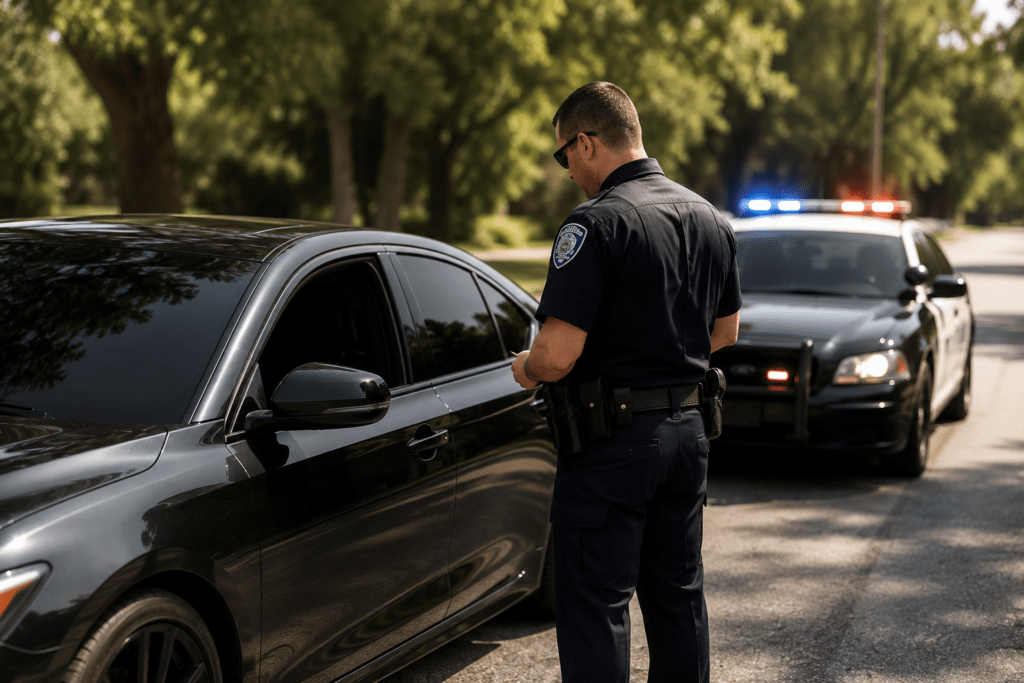
For many patients, spending time in vehicles is one of the most photophobically challenging activities in their daily routine. The combination of variable sunlight, reflections from other vehicles, and the inability to control the light environment creates conditions that can trigger or exacerbate symptoms. Medical window tints have become a recognized component of photophobia treatment precisely because they address this challenge directly.
Window tints are measured by their Visible Light Transmission (VLT) percentage. Standard legal limits for vehicle windows vary by jurisdiction, but medical exemptions allow qualifying patients to use darker tints that would otherwise be illegal. Research published by the U.S. Department of Transportation has examined how window tinting affects glare and driver visibility, confirming that appropriate tinting can reduce glare while maintaining adequate visibility for safe driving. For photophobic patients, this means that properly approved medical-grade tints can serve as both a symptom management tool and a safety measure.
Modern high-quality window tints offer more than just visible light reduction. Premium ceramic and carbon-based films can block up to 99% of UV radiation while also rejecting a substantial portion of infrared heat. This comprehensive protection is particularly valuable for patients whose photophobia treatment needs include UV protection, such as those with lupus or porphyria. The medical exemption system for window tinting recognizes these medical needs by allowing qualifying patients to apply tints beyond standard legal limits.
The Legal Framework for Medical Window Tint Exemptions
Understanding the legal landscape surrounding medical window tint exemptions is an important part of implementing this photophobia treatment strategy. While regulations vary by jurisdiction, the general framework is relatively consistent across most areas.
Who Qualifies for a Medical Window Tint Exemption
Medical exemptions for window tinting are available to individuals whose health conditions require darker tints than standard legal limits allow. Qualifying conditions include photophobia itself as well as the underlying conditions that cause it, such as migraine, TBI, uveitis, lupus, albinism, and porphyria, among others. According to guide to medical tint exemptions, the process generally requires a licensed physician or optometrist to certify that darker tints are medically necessary for the patient’s health and safety.
The exemption process is a recognition that standard tint laws, while designed to balance safety and privacy for the general public, do not adequately accommodate individuals with legitimate medical needs. Just as accessible parking accommodations exist to provide necessary access for people with disabilities, medical window tint exemptions exist to provide necessary light protection for people with conditions like photophobia. The goal is always to balance the patient’s medical needs with safety requirements for all road users.
The Documentation Process
Obtaining a medical window tint exemption as part of photophobia treatment involves several key steps. Patients must first receive a formal diagnosis from a qualified healthcare provider who can document the medical necessity for darker window tints. The physician’s certification typically must include the diagnosis, an explanation of why window tinting is medically necessary, the recommended VLT percentage for each window, and the provider’s license information.
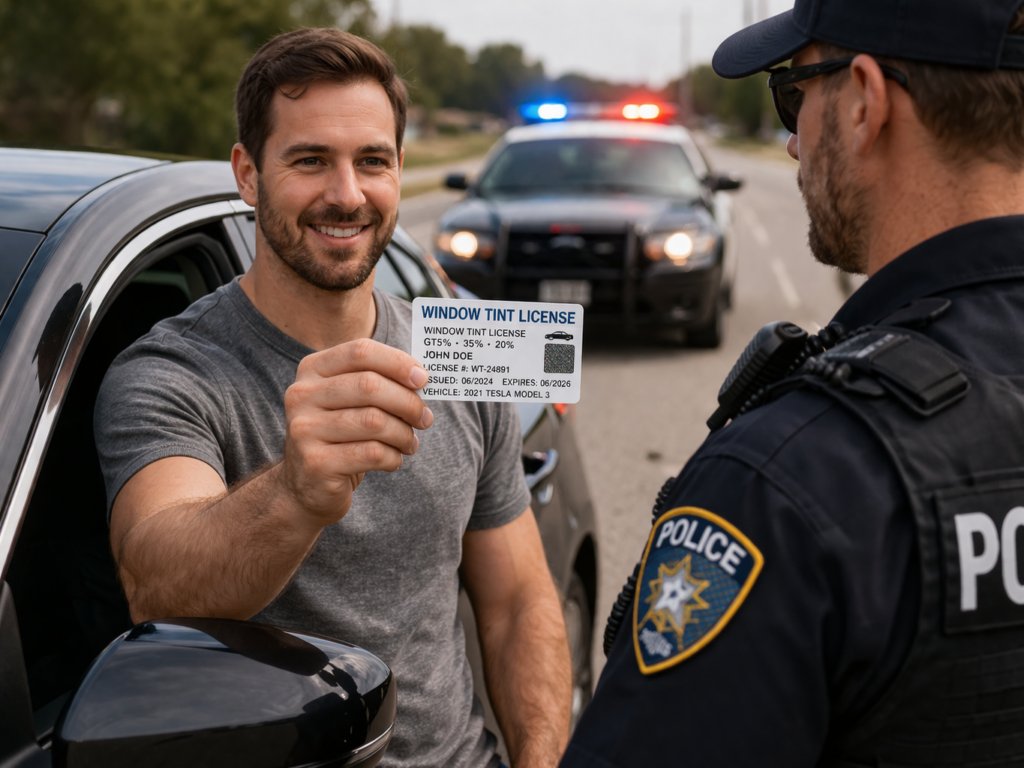
Once proper medical documentation is obtained, patients submit their application to the relevant motor vehicle authority in their jurisdiction. Processing times vary but generally range from two to six weeks. Exemption certificates, once issued, must be carried in the vehicle at all times and presented to law enforcement if questioned about the tint darkness. Most exemptions are time-limited and require renewal with updated medical documentation, reflecting the ongoing nature of most photophobia treatment needs.
Ready to make window tinting part of your photophobia treatment plan? TintedMD offers a fully online, HIPAA-compliant process to obtain your medical window tint exemption fast. Explore Medical Window Tint Exemption service and check your eligibility today. Most approvals are completed within 24 to 48 hours.
How TintedMD Simplifies Photophobia Treatment Through Window Tint Exemptions

For patients seeking to incorporate medical window tinting into their photophobia treatment plan, TintedMD offers a streamlined, telehealth-based solution that removes many of the traditional barriers to obtaining an exemption. Rather than requiring in-person clinic visits, DMV trips, or extensive paperwork coordination, TintedMD handles the entire process online in three simple steps.
First, patients complete an online intake form describing their medical condition. The application is designed to be straightforward, secure, and accessible from any device. Second, a licensed healthcare provider reviews the submission for medical accuracy and regulatory compliance. If approved, the provider issues official physician-signed documentation supporting the window tint exemption. Most applications are reviewed within 24 to 48 hours, making TintedMD one of the fastest pathways to incorporating this photophobia treatment accommodation into a patient’s daily life.
TintedMD’s process is fully HIPAA-compliant, meaning all personal and medical information is handled with the same privacy standards required of traditional healthcare providers. The platform is trusted by over 100,000 patients and offers a money-back guarantee if the application is not approved, making it a low-risk option for patients exploring medical window tinting as part of their photophobia treatment.
The service is particularly well-suited for photophobia patients because driving is often one of the most challenging aspects of living with light sensitivity. By reducing the barriers to obtaining legal, doctor-certified window tint exemptions, TintedMD helps patients regain independence, reduce symptom frequency during travel, and manage their photophobia treatment holistically.
Lifestyle Strategies to Support Photophobia Treatment
Beyond clinical interventions and environmental modifications, a number of lifestyle strategies can support photophobia treatment and help patients maintain better symptom control over time.
Consistent Sun Protection
For patients whose photophobia includes sensitivity to sunlight and UV radiation, consistent sun protection is an essential component of photophobia treatment. This includes wearing wide-brimmed hats, using sunglasses with high UV protection ratings and wraparound frames, applying broad-spectrum sunscreen, and timing outdoor activities to avoid peak sunlight hours. These measures complement window tinting by providing protection during time spent outdoors.
Stress and Sleep Management
Chronic pain conditions, including photophobia, are closely linked to stress and sleep dysfunction. According to the American Psychological Association, psychological factors including stress, anxiety, and depression significantly affect pain perception and tolerance. Photophobia treatment plans that incorporate stress management techniques such as cognitive behavioral therapy, mindfulness-based stress reduction, and regular sleep hygiene practices often show better outcomes than purely pharmacological approaches.
Tracking Triggers
Many patients with photophobia find it helpful to maintain a symptom diary that tracks light conditions, activities, sleep quality, stress levels, and other factors alongside their photophobia symptoms. Over time, this data can reveal patterns and specific triggers that are unique to the individual patient. Personalized trigger management then becomes a targeted photophobia treatment strategy, allowing patients to anticipate and avoid the specific conditions most likely to provoke their symptoms.
Living with Photophobia: Long-Term Treatment Perspectives
For many patients, photophobia is not a temporary condition but a chronic challenge requiring long-term management. Effective photophobia treatment in this context means developing sustainable strategies that can be maintained over months and years without causing additional harm, such as medication overuse or over-reliance on avoidance behaviors.
The psychological impact of living with chronic photophobia should not be underestimated. Patients who feel unable to participate in normal social, professional, and recreational activities may develop significant anxiety, depression, and reduced quality of life. Photophobia treatment plans that restore independence, such as obtaining medical window tint exemptions that allow comfortable driving, can have meaningful psychological benefits beyond their direct symptom-relief effects.
Working closely with a multidisciplinary team that may include an ophthalmologist, neurologist, primary care physician, and mental health professional gives photophobia patients the best chance of developing a comprehensive, personalized photophobia treatment plan. Regular reassessment of treatment effectiveness, openness to adjusting strategies as new evidence emerges, and proactive management of comorbid conditions all contribute to better long-term outcomes.
Conclusion
Photophobia treatment is a multifaceted challenge that spans clinical medicine, environmental design, legal accommodation, and lifestyle management. From tinted lenses and pharmaceutical interventions to medical window tint exemptions and stress management, effective treatment draws on a wide range of tools and strategies. The key is developing a comprehensive, personalized approach that addresses both the underlying cause of photophobia and the symptom itself across all of the environments where patients live and work.
For patients whose photophobia affects their ability to drive comfortably, medical window tint exemptions represent an evidence-based, legally recognized photophobia treatment accommodation that can dramatically improve quality of life. The process of obtaining an exemption has never been easier, with services like TintedMD offering fast, fully online certification that removes traditional barriers to accessing this important accommodation.
If you or someone you care for is living with photophobia, speak with a qualified healthcare provider about developing a comprehensive treatment plan. With the right combination of medical care, environmental modifications, and legal accommodations, most patients can achieve meaningful improvement in both their symptom control and their overall quality of life.
Frequently Asked Questions
1. What is the most effective photophobia treatment for migraine patients?
For migraine-related photophobia, the most effective treatment combines preventive migraine management with environmental light control. Precision tinted lenses, particularly those filtering the FL-41 spectral range, have strong clinical evidence for reducing light-triggered migraine frequency. Medical window tint exemptions for vehicles allow migraine patients to drive during daylight without triggering episodes. Preventive medications prescribed by a neurologist address the underlying neurological excitability that makes light painful.
2. Can photophobia treatment cure light sensitivity permanently?
Whether photophobia treatment can achieve permanent resolution depends heavily on the underlying cause. Photophobia due to treatable conditions, such as uveitis or iritis that resolves with anti-inflammatory treatment, may resolve completely once the underlying condition is controlled. However, photophobia associated with chronic neurological conditions like migraine or permanent structural changes from TBI or albinism typically requires ongoing management rather than a one-time cure. The goal of photophobia treatment in these cases is symptom reduction and improved function rather than complete elimination.
3. Are medical window tint exemptions difficult to obtain for photophobia?
Obtaining a medical window tint exemption for photophobia is generally straightforward provided you have proper medical documentation. The process requires a licensed healthcare provider to certify your diagnosis and the medical necessity for darker tints. Services like TintedMD simplify the process by handling the evaluation and certification entirely online, with approvals typically completed within 24 to 48 hours. For patients whose photophobia is already documented in their medical records, obtaining an exemption is often a simple administrative process rather than a complex medical evaluation.
4. What VLT percentage is recommended for photophobia treatment through window tinting?
The optimal VLT percentage for photophobia treatment through window tinting varies by individual patient needs and by window location. Most patients with moderate to severe photophobia find that front side windows tinted to 20 to 35% VLT provide substantial relief while maintaining adequate visibility for safe driving. Rear windows and back windshields can typically be tinted darker. The specific recommendation should come from the prescribing healthcare provider based on the patient’s symptom severity, the conditions most triggering for them, and their driving needs.
5. Does photophobia treatment with window tints work for all types of light sensitivity?
Window tinting is most effective for photophobia related to bright ambient light and solar glare encountered during driving and travel. It is less directly applicable to photophobia triggered by artificial indoor lighting. For comprehensive photophobia treatment, most patients benefit from combining window tints for vehicle use with other strategies such as tinted lenses for indoor use, lighting modifications at home and work, and screen filters for digital devices. The combination of these approaches provides broader coverage across the different light environments patients encounter daily.
6. Can children receive photophobia treatment including window tint exemptions?
Yes, children can and do receive photophobia treatment, including medical window tint exemptions, when their conditions warrant it. Conditions such as albinism, juvenile uveitis, and pediatric migraine can all produce significant photophobia in children. The exemption process for minors typically works through the vehicle’s registered owner, usually a parent or guardian, who applies for the exemption based on the child’s medical diagnosis. The healthcare provider certifying the exemption should be the child’s treating physician or specialist.