
Albinism
 by Nida Hammad
 Last updated:
Medically reviewed by:
Dr. Matthew Reynolds, MD


Albinism and Window Tint Exemptions: a Complete Medical Guide
Albinism represents a group of genetic disorders characterized by decreased or absent production of melanin, the pigment responsible for coloring our skin, hair, and eyes. For individuals with albinism, this condition creates serious medical challenges that extend far beyond appearance, making window tint exemptions not just a convenience but a medical necessity.
What Is Albinism?
Albinism is a genetic condition that results from mutations in specific genes responsible for melanin production. Melanin serves as the body’s natural defense against ultraviolet (UV) radiation from the sun, and without adequate melanin protection, individuals with albinism face significantly elevated health risks.
The condition affects approximately 1 in 20,000 people in the United States, though prevalence varies globally. In some regions, such as Zimbabwe, Africa, the rate increases to approximately 1 in 1,000 people. Albinism occurs across all ethnic groups and does not discriminate based on geographic location or ancestry.
The Two Main Types of Albinism
Understanding the classification of albinism helps explain why window tint exemptions are medically justified for affected individuals.
Oculocutaneous Albinism (OCA) represents the most common form, affecting the eyes, skin, and hair. There are seven recognized subtypes of OCA, each caused by mutations in different genes. The severity ranges from complete absence of pigmentation (OCA type 1A) to light brown pigmentation (OCA type 2) or reddish-brown pigmentation (OCA type 3).
Ocular Albinism (OA) is less common and primarily affects the eyes while leaving skin and hair pigmentation relatively normal. However, individuals with OA still experience significant vision problems and light sensitivity that warrant protective measures, including window tinting.
The Science Behind Melanin and UV Protection
Melanin exists in two primary forms: eumelanin and pheomelanin. Eumelanin provides brown to black pigmentation and offers substantial protection against UV radiation. Pheomelanin contributes yellow to red coloring but provides minimal UV protection and may actually increase free radical production when exposed to sunlight.
In normal pigmentation, the ratio of eumelanin to pheomelanin determines skin color. Individuals with albinism cannot produce eumelanin at proper levels, resulting in formation of predominantly or exclusively pheomelanin. This biochemical difference explains why people with albinism experience such severe photosensitivity and require enhanced UV protection through window tinting and other measures.
The melanin production process begins with an amino acid called tyrosine. Specialized enzymes convert tyrosine through multiple steps into melanin. When genetic mutations disrupt these enzymes, melanin production fails, resulting in the various forms of albinism. This fundamental understanding of the condition’s biochemistry supports the medical necessity of window tint exemptions.
Medical Complications That Justify Window Tint Exemptions
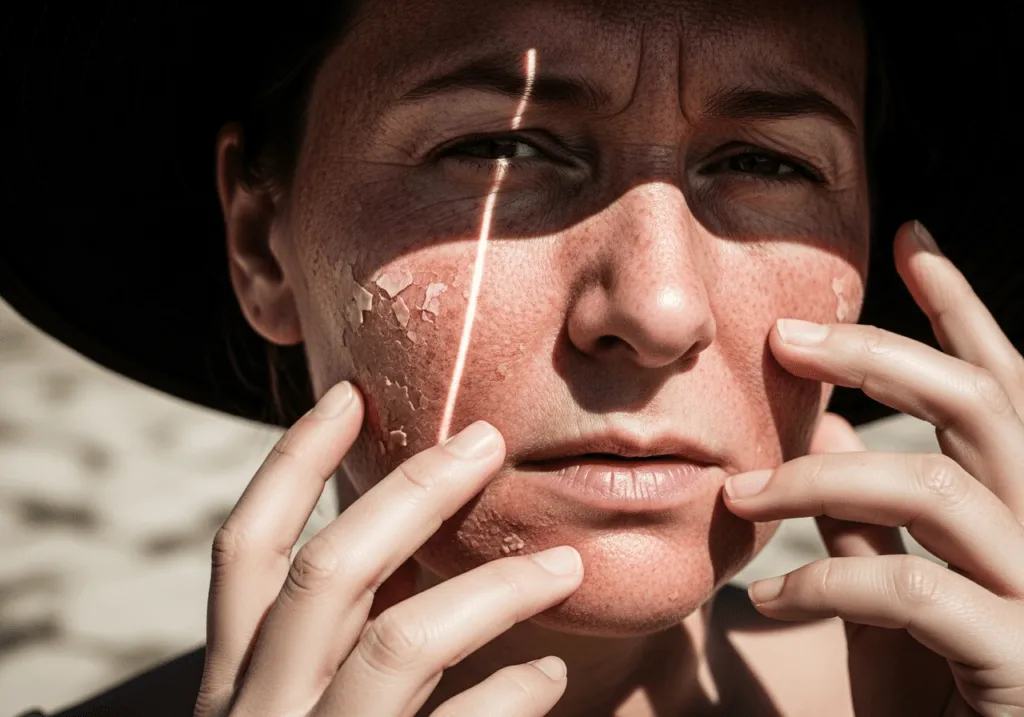
The medical complications associated with albinism create compelling justification for window tint exemptions. These are not cosmetic concerns but serious health risks that protective window tinting helps mitigate.
Severe Photosensitivity and Skin Damage
Individuals with albinism experience extreme sensitivity to sunlight. Even brief sun exposure can cause painful sunburns and accumulated UV damage. The absence of protective melanin means that UV radiation penetrates deeper into skin tissues, causing cellular damage at the DNA level.
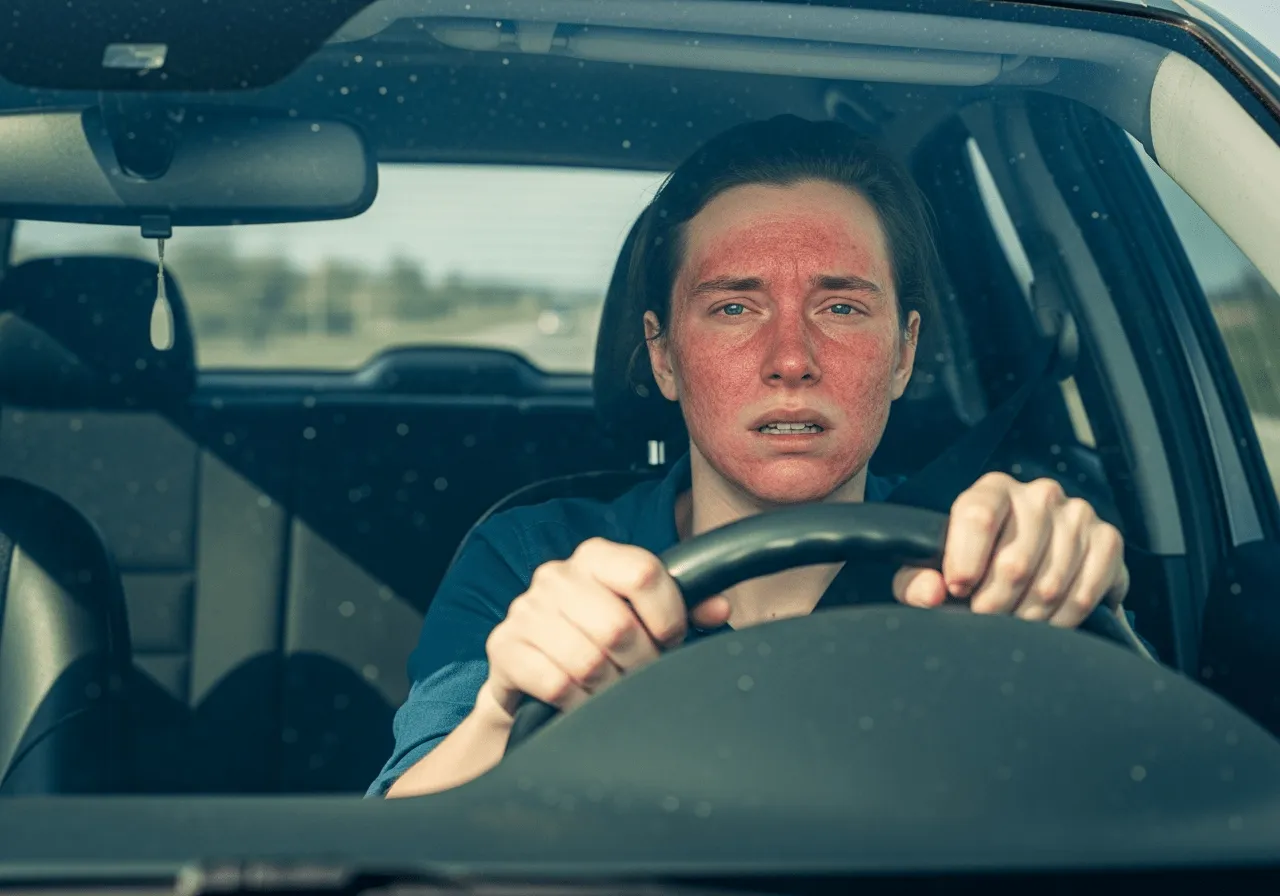
This photosensitivity makes everyday activities challenging. Simple tasks like driving become problematic when sunlight streams through vehicle windows. Standard automotive glass blocks some UV radiation, but not enough to adequately protect individuals with albinism. Window tint exemptions allow installation of darker tinting that provides enhanced UV filtering and visible light reduction.
Dramatically Elevated Skin Cancer Risk
The skin cancer risk for people with albinism is substantially higher than the general population. UV radiation generates free radicals that damage DNA in skin cells. Eumelanin normally neutralizes these free radicals, but individuals with albinism lack this protection. Moreover, pheomelanin actually increases free radical production when exposed to UV light, compounding the problem.
In certain populations, particularly among African individuals with albinism, skin cancers represent a leading cause of death. Studies indicate that without proper sun protection, many individuals with albinism develop skin cancers at young ages. Early detection through regular skin examinations is crucial, but prevention through UV avoidance remains the most effective strategy. Window tinting provides an important layer of protection during vehicle travel.
Vision Problems and Light Sensitivity
Most individuals with albinism experience significant visual impairments. The lack of melanin in the eyes affects multiple structures involved in vision. Common problems include:
-
Reduced visual acuity leading to nearsightedness, farsightedness, or astigmatism
-
Nystagmus (rapid, involuntary eye movements)
-
Strabismus (misalignment of the eyes)
-
Photophobia (extreme sensitivity to bright light)
-
Reduced depth perception
-
Increased risk of glaucoma and potential blindness
Light-colored eyes lack the melanin that normally filters and protects against bright light and UV radiation. This creates intense discomfort in bright conditions and increases the risk of UV-induced eye damage. Window tinting reduces both visible light intensity and UV exposure, making driving and vehicle travel more comfortable and safer for individuals with albinism.
The combination of reduced visual acuity and severe photophobia makes driving particularly challenging. Bright sunlight causes pain, squinting, and watering eyes, all of which impair driving safety. Window tint exemptions allow installation of darker tinting that reduces glare and light intensity to manageable levels.
Premature Glaucoma and Eye Deterioration
The abnormal eye development associated with albinism increases susceptibility to glaucoma at younger ages than typically seen in the general population. UV exposure can accelerate eye deterioration and increase glaucoma risk. Protective measures including window tinting help minimize cumulative UV damage to the eyes over a lifetime.
Window Tint Exemption Qualifications for Albinism

Albinism clearly qualifies as a medical condition warranting window tint exemptions based on the documented health risks and need for UV protection. Understanding the qualification process helps affected individuals obtain necessary exemptions.
Medical Criteria for Exemption
To qualify for a window tint exemption based on albinism, individuals must demonstrate:
-
Formal diagnosis of oculocutaneous albinism or ocular albinism by a licensed physician, dermatologist, or ophthalmologist
-
Documentation of photosensitivity and medical necessity for enhanced UV protection
-
Specific medical recommendations for window tinting as a protective measure
-
Completion of required state forms with physician certification
The medical documentation should clearly establish the diagnosis, explain the health risks, and specify that window tinting is medically necessary for the patient’s protection. Physicians should reference the patient’s susceptibility to severe sunburn, elevated skin cancer risk, and visual impairment from light sensitivity.
Many individuals find the exemption process more manageable by utilizing online medical consultation services that specialize in window tint exemptions. These platforms connect patients with qualified healthcare providers who understand the specific documentation requirements for each state, streamlining the approval process.
Required Medical Documentation
Most states require a medical exemption form completed and signed by a licensed healthcare provider. The documentation typically includes:
-
Patient identification and diagnosis
-
Specific medical condition (oculocutaneous albinism or ocular albinism)
-
Physician’s recommendation for window tinting
-
Recommended tinting specifications (typically percentage of visible light transmission)
-
Physician’s license information and signature
-
Validity period (if applicable)
Some states accept generic physician letters on office letterhead, while others require completion of specific state forms. It’s essential to check your state’s requirements before obtaining documentation. Online medical exemption services have simplified this process by maintaining updated information on all state requirements and can connect you with licensed physicians who are experienced in providing the necessary documentation.
Types of Healthcare Providers Who Can Certify
States generally accept certification from:
-
Dermatologists (ideal for documenting photosensitivity and skin cancer risk)
-
Ophthalmologists (ideal for documenting visual impairment and photophobia)
-
Primary care physicians (can document overall condition and medical necessity)
-
Geneticists (can provide detailed diagnosis of specific albinism type)
The healthcare provider should be licensed in the state where the exemption is being sought. Some states require the provider to have examined the patient within a specific timeframe before certification.
State-by-State Window Tint Laws and Exemptions
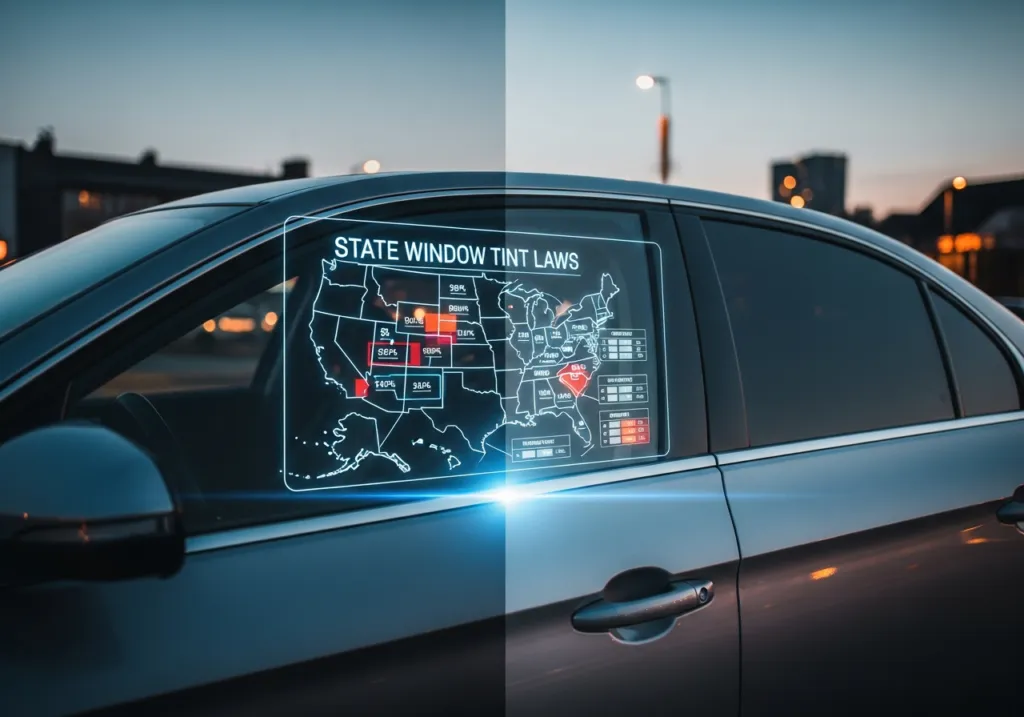
Window tinting regulations vary significantly by state. Understanding your state’s specific requirements is crucial for legal compliance while obtaining necessary medical exemptions.
Standard Tinting Limits vs. Medical Exemptions
Most states establish standard limits on how dark window tinting can be, measured as the percentage of visible light transmission (VLT). Lower percentages mean darker tinting. Common standard limits include:
-
Windshield: Most states allow only a strip at the top (typically 4-6 inches) or require 70-75% VLT
-
Front side windows: Typically 35-50% VLT minimum
-
Back side windows: Often 35-50% VLT minimum
-
Rear window: Generally 35-50% VLT minimum, though some states allow darker tinting
Medical exemptions allow individuals with qualifying conditions like albinism to install darker tinting than standard limits permit. The allowable darkness under medical exemption varies by state but often permits tinting as dark as 20-25% VLT on front side windows.
Medical Exemption Process by State
Each state has its own exemption process. General patterns include:
Application Process:
-
Obtain diagnosis and documentation from qualified healthcare provider
-
Complete state-specific exemption application (if required)
-
Submit documentation to appropriate state agency (typically DMV or Department of Revenue)
-
Receive exemption certificate or authorization
-
Install compliant window tinting
-
Carry exemption documentation in vehicle
Validity Periods:
-
Some states issue permanent exemptions
-
Others require renewal every 1-5 years
-
Renewal typically requires updated medical documentation
Display Requirements:
-
Many states require visible display of exemption certificate
-
Some require specific stickers or labels on windows
-
Exemption documentation must typically be available for law enforcement inspection
States With Comprehensive Medical Exemption Programs
Many states have well-established medical exemption programs that specifically recognize albinism as a qualifying condition:
California allows medical exemptions for photosensitivity conditions including albinism. Drivers must carry a certificate from a licensed physician or surgeon stating that the person has a condition requiring protection from sunlight.
Texas permits exemptions for medical conditions that increase sensitivity to light. The application requires a signed statement from an ophthalmologist or physician licensed to practice medicine.
Florida recognizes sunlight-sensitive medical conditions and allows exemptions with proper medical documentation from a licensed physician.
New York provides exemptions for medical conditions requiring protection from sunlight, with physician certification required.
Special Considerations and Restrictions
Even with medical exemptions, some restrictions typically remain:
-
Windshield tinting is often still restricted to the top strip or limited darkness
-
Reflective or mirrored tinting may not be permitted
-
Red or amber tinting colors are generally prohibited
-
Front side windows may have minimum VLT requirements even with exemptions
-
Law enforcement visibility requirements may apply
Some states require that even with medical exemptions, front side windows must allow law enforcement to see inside the vehicle for safety purposes. This typically means exemptions allow darker tinting but not completely opaque windows.
Enforcement and Legal Considerations
Understanding enforcement helps ensure compliance:
-
Traffic stops: Officers may question dark window tinting and request exemption documentation
-
Proof of exemption: Always carry medical exemption certificate when driving
-
Out-of-state travel: Medical exemptions may not be recognized in all states
-
Penalties for non-compliance: Fines, required tint removal, and potential vehicle inspection failure
If stopped by law enforcement, politely explain that you have a medical exemption and present your documentation. Most officers recognize legitimate medical exemptions once proper documentation is provided.
Don’t wait for a flare-up to force the issue, Get your tint exemption letter and drive protected.
The Window Tint Application Process for Albinism

Obtaining and installing window tinting under a medical exemption involves several important steps. Modern technology has simplified this process, with online platforms now available to streamline medical documentation and state applications.
Step 1: Medical Consultation and Documentation
Begin by consulting with your dermatologist, ophthalmologist, or primary care physician. Many individuals find it convenient to connect with qualified healthcare providers through telemedicine platforms that specialize in medical exemptions for window tinting. This approach can expedite the documentation process and ensure all state-specific requirements are met.
The physician should document:
-
Your specific type of albinism
-
Photosensitivity and UV damage risk
-
Visual impairment and light sensitivity
-
Medical necessity for window tinting
-
Recommended tinting specifications
Request documentation on office letterhead or completion of any state-required forms. Ensure all information is complete and properly signed. Online medical exemption services can guide you through what documentation your specific state requires, helping avoid delays due to incomplete paperwork.
Step 2: State Exemption Application
Research your state’s specific exemption process, or utilize online platforms that provide state-specific guidance:
-
Check DMV or Department of Revenue website for medical exemption information, or access consolidated information through specialized online services
-
Download required forms if applicable—some online platforms provide direct access to all necessary state forms
-
Understand submission process (mail, in-person, or online)—digital platforms can often submit applications electronically where states permit
-
Verify processing time (can range from immediate to several weeks)
-
Confirm fees (some states charge processing fees)
Submit your application with medical documentation following state requirements. Online medical exemption platforms can handle much of this paperwork, ensuring proper submission and tracking approval status. Keep copies of all documentation for your records.
Step 3: Professional Installation
Once you receive your exemption authorization:
-
Choose a reputable window tinting company with experience in medical exemption installations
-
Provide your exemption documentation and ensure they understand the allowable specifications
-
Select appropriate tinting film that meets exemption requirements and provides adequate UV protection
-
Request warranty information and care instructions
-
Verify the installed tinting complies with your exemption specifications
Professional installation ensures proper application without bubbles, peeling, or visibility issues. Quality tinting film with proper UV protection is essential. Some online medical exemption services maintain networks of certified installers who understand the specific requirements for medical exemptions.
Step 4: Compliance Verification
After installation:
-
Keep exemption certificate in vehicle at all times
-
Verify tinting meets specifications using a light meter if possible
-
Display any required stickers or labels as mandated by state law
-
Maintain warranty documentation in case of issues with the tinting
-
Plan for exemption renewal if your state requires periodic updates—set reminders or use automated renewal tracking through online platforms
Tinting Specifications for Optimal Protection
For individuals with albinism, the optimal window tinting specifications typically include:
UV Protection: Choose tinting film that blocks at least 99% of UV radiation (both UVA and UVB). This is crucial for preventing skin damage and reducing cancer risk.
Visible Light Transmission: While state exemptions determine maximum darkness, most individuals with albinism benefit from front-side window tinting in the 20-35% VLT range. This provides significant glare reduction while maintaining adequate visibility for safe driving.
Infrared Rejection: High-quality ceramic tinting films also reject infrared radiation, reducing heat buildup in the vehicle. This improves comfort and reduces the need for excessive air conditioning.
Color and Appearance: Neutral gray or charcoal tinting provides the best balance of glare reduction and natural appearance. Avoid heavily colored or reflective tinting.
Comprehensive UV Protection Strategy for Albinism
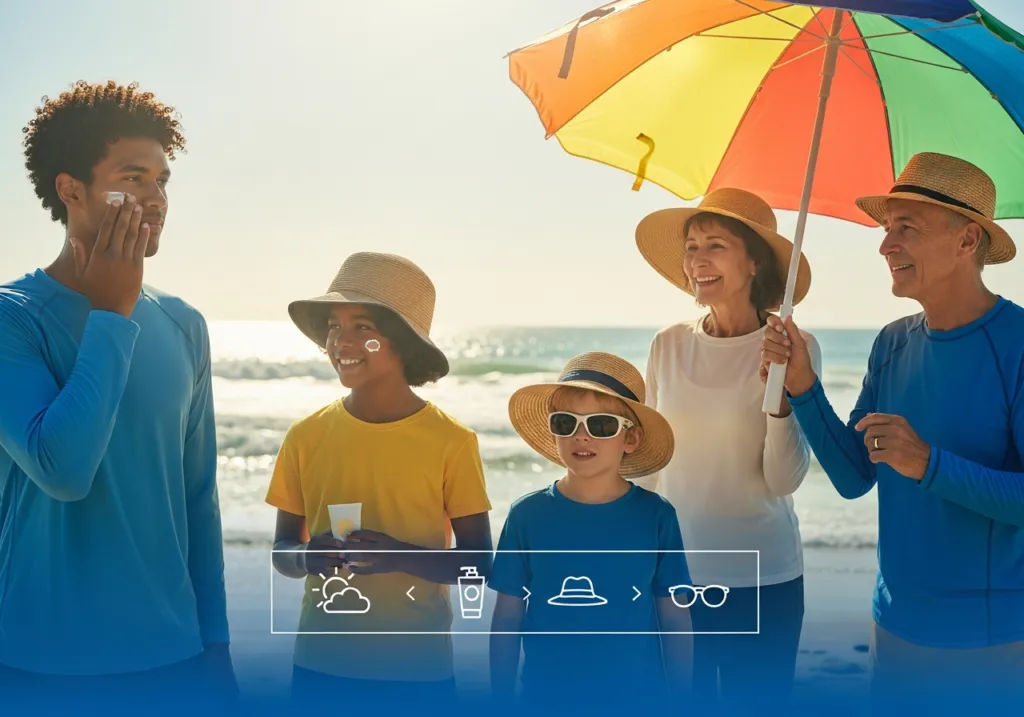
Window tinting represents one component of a comprehensive UV protection strategy for individuals with albinism. Combining multiple protective measures provides optimal health outcomes.
Skin Protection Measures
Sun Avoidance: Minimize direct sun exposure, especially during peak UV hours (10 AM to 4 PM). Plan outdoor activities for early morning or evening when UV intensity is lower.
Protective Clothing: Wear long-sleeved shirts, long pants, and wide-brimmed hats when outdoors. Choose clothing with UPF (Ultraviolet Protection Factor) ratings of 50+ for maximum protection. Many manufacturers now produce stylish sun-protective clothing specifically designed for individuals with photosensitive conditions.
Sunscreen Application: Apply broad-spectrum sunscreen with SPF 30 or higher to all exposed skin every day, even on cloudy days. Reapply every two hours and after swimming or sweating. Use water-resistant formulations for extended outdoor activities.
Avoid Tanning Beds: Never use tanning beds or sun lamps, as these emit concentrated UV radiation that can cause severe burns and increase cancer risk.
Medication Review: Some medications increase photosensitivity. Review all medications with your healthcare provider and avoid sun exposure when taking photosensitizing drugs.
Eye Protection Strategies
UV-Blocking Sunglasses: Wear sunglasses that block 100% of UVA and UVB radiation whenever outdoors. Wraparound styles provide better protection by blocking UV radiation from the sides.
Prescription Eyewear: Many individuals with albinism require corrective lenses for vision problems. Ensure prescription glasses include UV protection coating.
Photochromic Lenses: Consider photochromic (transition) lenses that darken in sunlight, providing continuous protection both indoors and outdoors.
Contact Lenses: Some contact lenses include UV protection, though they should be combined with sunglasses for complete protection.
Hat Brims: Wide-brimmed hats (at least 3 inches all around) shield the face and eyes from overhead sun exposure.
Regular Medical Monitoring
Dermatology Examinations: Schedule skin examinations every 6-12 months with a dermatologist experienced in albinism. Early detection of skin changes or cancers dramatically improves treatment outcomes.
Ophthalmology Visits: Regular eye examinations monitor for vision changes, glaucoma development, and other eye complications. Young children with albinism should have eye exams starting at 4 months of age, with frequency gradually decreasing as they age.
Self-Examinations: Learn to perform monthly skin self-examinations to identify new growths or changes in existing marks. Use the ABCDE method: Asymmetry, Border irregularity, Color variation, Diameter greater than 6mm, and Evolution (changes over time).
Vehicle-Specific Considerations
Window Tinting on All Vehicles: Apply for window tint exemptions for all vehicles you regularly use, including family members’ cars if you’re a passenger.
Sunshades and Visors: Use window sunshades when parked to reduce interior heat buildup and UV exposure through windows.
Garage Parking: Park in covered or underground parking whenever possible to minimize time spent in open sun.
Route Planning: When driving, choose routes with tree cover or shade when possible to reduce overall sun exposure.
Living With Albinism: Social and Psychological Aspects
Beyond physical protection, addressing the social and psychological dimensions of albinism is equally important, particularly for children and adolescents.
Educational Accommodations
Children with albinism often require educational support due to visual impairments:
Individualized Education Plans (IEPs): Work with schools to develop IEPs that address vision-related needs, including preferential classroom seating (close to the board, away from glare), enlarged print materials, additional time for reading and writing tasks, and access to computers or tablets with screen magnification.
Assistive Technology: Magnifying glasses, screen readers, video magnifiers, and other assistive devices help students access educational materials effectively.
Teacher Education: Ensure teachers understand albinism and the students’ specific needs. This prevents misunderstandings and promotes appropriate support.
Outdoor Activity Modifications: Physical education and recess activities may need modifications to ensure adequate sun protection, including indoor alternatives during peak UV hours.
Combating Bullying and Stigma
Children with albinism may experience bullying due to their distinctive appearance. Strategies to address this include:
Education and Awareness: Educate classmates about albinism to reduce fear and misunderstanding. Age-appropriate presentations can foster empathy and acceptance.
Peer Support Groups: Connect children with albinism to others with the condition. National organizations like NOAH (National Organization for Albinism and Hypopigmentation) facilitate support groups.
Counseling Support: Professional counseling helps children develop coping strategies and maintain healthy self-esteem.
Family Support: Strong family support is crucial. Parents should validate their children’s feelings while fostering confidence in their abilities and worth.
Building Positive Self-Identity
Albinism represents an important part of a person’s identity, but it doesn’t define their entire existence:
Focus on Abilities: Emphasize strengths and capabilities rather than limitations. Individuals with albinism have normal intelligence and can excel in virtually any field.
Role Models: Connect with successful adults with albinism who have achieved their goals despite challenges.
Inclusive Communities: Seek communities and social groups that value diversity and inclusion.
Self-Advocacy Skills: Teach children and young adults to advocate for their needs confidently and respectfully.
Life Expectancy and Quality of Life
With proper precautions, including window tinting, sun protection, and regular medical care, individuals with albinism can enjoy normal life expectancy and a high quality of life. The condition does not affect cognitive development or overall health beyond the specific skin and eye complications.
Modern protective measures, including window tint exemptions, have dramatically improved daily life for people with albinism. Activities that were once challenging or impossible—such as comfortable driving and vehicle travel—are now accessible with proper accommodations.
Conclusion: The Critical Role of Window Tint Exemptions
Window tint exemptions represent a vital medical accommodation for individuals with albinism. The condition’s inherent photosensitivity, dramatically elevated skin cancer risk, and severe visual impairment from light exposure create a genuine medical necessity for enhanced UV and visible light protection.
Properly obtained and installed window tinting under a medical exemption significantly improves the quality of life, enabling comfortable and safe vehicle travel. Combined with comprehensive sun protection strategies, regular medical monitoring, and appropriate support, individuals with albinism can lead full, healthy, productive lives.
The application process has become increasingly accessible with modern healthcare technology. Online platforms now simplify the exemption process by connecting patients with qualified physicians, providing state-specific guidance, and handling documentation requirements efficiently. Whether you choose traditional in-person consultations or convenient telemedicine options, the key steps remain straightforward: obtain proper medical documentation from a qualified healthcare provider, apply for a window tint exemption according to your state’s requirements, have professional installation of compliant tinting, and maintain all protective measures conscientiously.
Advances in window tinting technology, growing medical understanding of albinism, and increased awareness of the condition continue to improve outcomes. Window tint exemptions exemplify how reasonable medical accommodations enable individuals with specific health needs to participate fully in daily life, including safe and comfortable driving.
If you or a family member has albinism, don’t delay in pursuing a window tint exemption. This simple accommodation provides protection that can prevent serious health complications while enhancing daily comfort and independence. Modern resources, including specialized online medical services, have made obtaining these exemptions more convenient than ever.
Frequently Asked Questions
What medical conditions require tinted windows?
Conditions that commonly qualify include albinism, lupus, vitiligo, photophobia, xeroderma pigmentosum, and other photosensitive disorders. A licensed physician must document that sunlight or UV exposure poses a health risk and certify medical necessity on your state's exemption form.
What are the legal medical reasons to have a dark tint?
Legal medical reasons include documented photosensitivity, elevated skin cancer risk from UV exposure, post-surgical light sensitivity, and vision impairment from conditions like albinism. Standard legal tint limits may not provide adequate protection; a physician certifies darker tint when medically necessary.
What health exceptions make sense to have dark window tint?
Health exceptions apply when a diagnosed condition makes normal sunlight exposure painful or dangerous despite standard automotive glass. Oculocutaneous albinism, lupus with photosensitivity, and chronic photophobia are common examples requiring enhanced UV and visible-light blocking.
How hard is it to get a medical tint exemption?
Difficulty varies by state. Most require a physician diagnosis, completed state exemption form, and submission to the DMV or equivalent agency. Online telehealth evaluations can shorten the process — many patients receive signed documentation within 24–48 hours.
Can a doctor deny a tint exemption?
Yes. Physicians may decline certification if your condition does not meet state eligibility criteria or lacks supporting medical records. Exemptions require a legitimate medical evaluation — not automatic approval for everyone who requests darker tint.
Does albinism qualify for a window tint exemption?
Yes. Oculocutaneous and ocular albinism commonly qualify because reduced melanin causes severe photosensitivity, elevated skin cancer risk, and vision impairment. Most states accept physician certification for albinism under medical window tint exemption programs.
What documentation is needed for an albinism tint exemption?
You typically need a formal albinism diagnosis, a physician-completed state exemption form or medical letter, the physician's license number, and recommended tint levels. Some states require certification from an ophthalmologist or dermatologist specifically.
Can I get a window tint exemption online if I have albinism?
In many states, yes. Telehealth platforms connect you with licensed physicians who evaluate your condition remotely and provide signed exemption documentation. Confirm your state accepts telehealth physician certification before applying.

Meet the author
Nida Hammad
I am a professional writer with over five years of experience creating clear, engaging, and well-researched content. I specialize in medical window tint exemptions and state compliance topics, helping readers understand tint laws and exemption requirements in simple, easy-to-follow language. Currently, I write for TintedMD, where I focus on producing accurate, trustworthy guides to help drivers navigate the medical tint exemption process with confidence.
Get Your Medical Tint Exemption Online in Minutes
Check Your Eligibility