Photophobia
 by Nida Hammad
 Last updated:
Medically reviewed by:
Dr. Matthew Reynolds, MD


Photophobia and Window Tint Exemptions: a Complete Medical Guide
Photophobia, also known as light sensitivity, is a medical condition characterized by abnormal intolerance to visual perception of light. The term photophobia combines the Greek words “photos” (light) and “phobos” (fear), though it is not actually a phobia in the psychological sense. Rather, photophobia is a symptom that can indicate various underlying medical conditions affecting the eyes, nervous system, or other bodily systems.
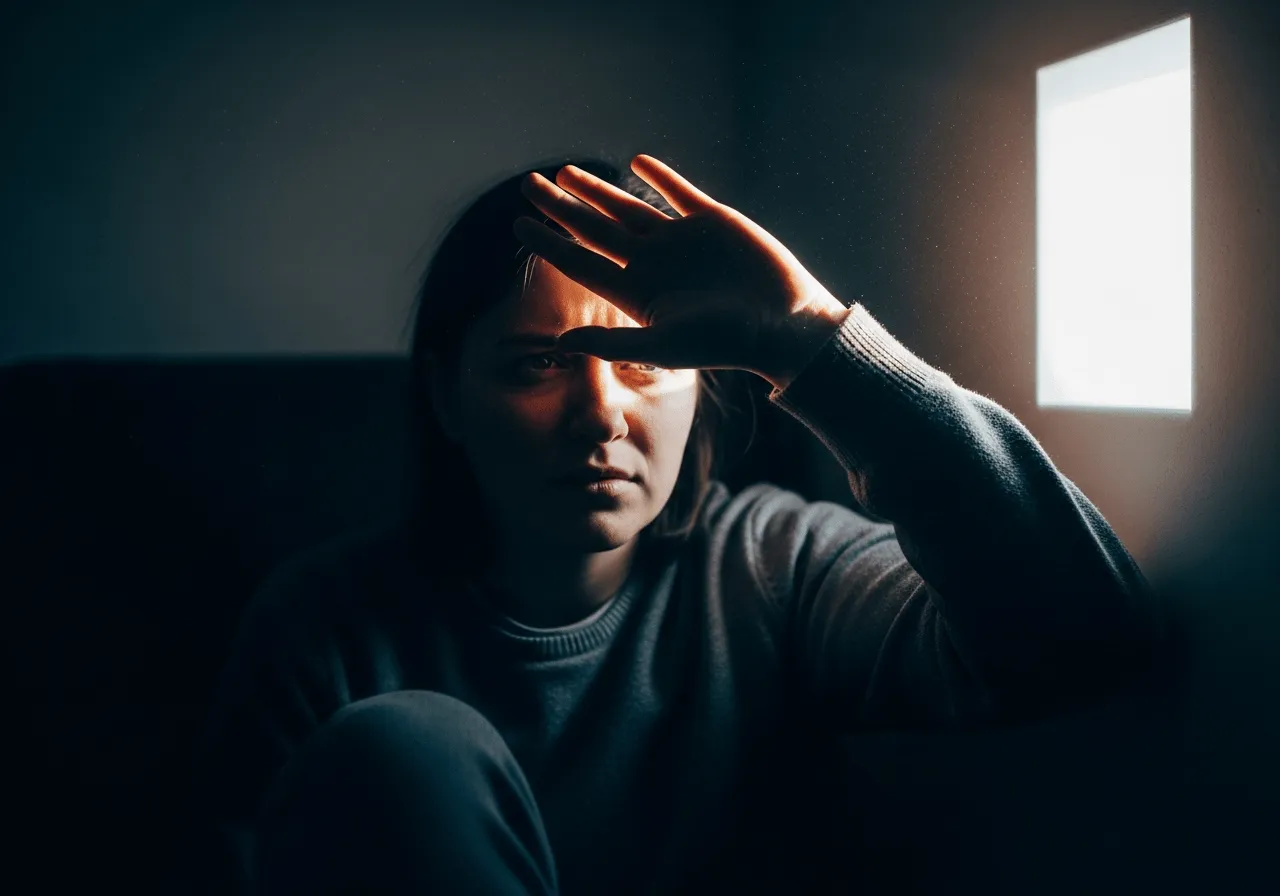
Individuals experiencing photophobia window tint exemption eligibility often report that normal levels of light cause significant discomfort, pain, or the urge to squint or close their eyes. This condition goes far beyond the temporary discomfort most people experience when stepping from a dark room into bright sunlight. For those with photophobia, even moderate indoor lighting or overcast days can trigger substantial distress and physical symptoms.
The severity of light sensitivity varies considerably among patients. Some individuals experience mild discomfort in bright environments, while others find even low levels of ambient light intolerable. According to the American Academy of Ophthalmology, this variation in severity is one reason why medical professionals must carefully evaluate each case when determining the appropriate interventions, including window tint medical exemption applications.
The Neurological Basis of Photophobia
Research has demonstrated that photophobia involves complex neurological pathways connecting the eyes to the brain. When light enters the eye, specialized photoreceptor cells in the retina convert this light into electrical signals. These signals travel through the optic nerve to various brain regions, including areas responsible for processing visual information and pain perception.
In individuals with photophobia, this normal process becomes disrupted. Studies suggest that certain neurons become hyperexcitable, responding abnormally to light stimuli that would not bother individuals without the condition. This neurological hypersensitivity explains why photophobic patients often experience not just discomfort but actual pain in response to light exposure.
The trigeminal nerve, which is the largest cranial nerve and is responsible for facial sensation, plays a crucial role in photophobia. Researchers have found that light activation can trigger trigeminal pain pathways, creating the characteristic discomfort associated with light sensitivity window tint needs. This connection between visual processing and pain perception helps explain why photophobia commonly accompanies migraine headaches and other neurological conditions.
Prevalence and Impact on Daily Life
Photophobia is far more common than many people realize. Studies indicate that approximately 10-15% of the general population experiences some degree of light sensitivity. However, the prevalence increases dramatically among certain patient populations. Between 80-90% of individuals who suffer from migraine headaches report photophobia as a significant symptom. The condition is also highly prevalent among those with traumatic brain injuries, with estimates suggesting 50-60% of TBI patients develop light sensitivity.
The impact of photophobia on quality of life can be profound. Patients often find themselves avoiding outdoor activities, struggling with work environments that feature fluorescent lighting, and experiencing difficulty driving during daylight hours. Social activities become challenging, as movie theaters, restaurants, and other common gathering places may feature lighting levels that trigger symptoms. This avoidance behavior can lead to social isolation, depression, and reduced productivity.
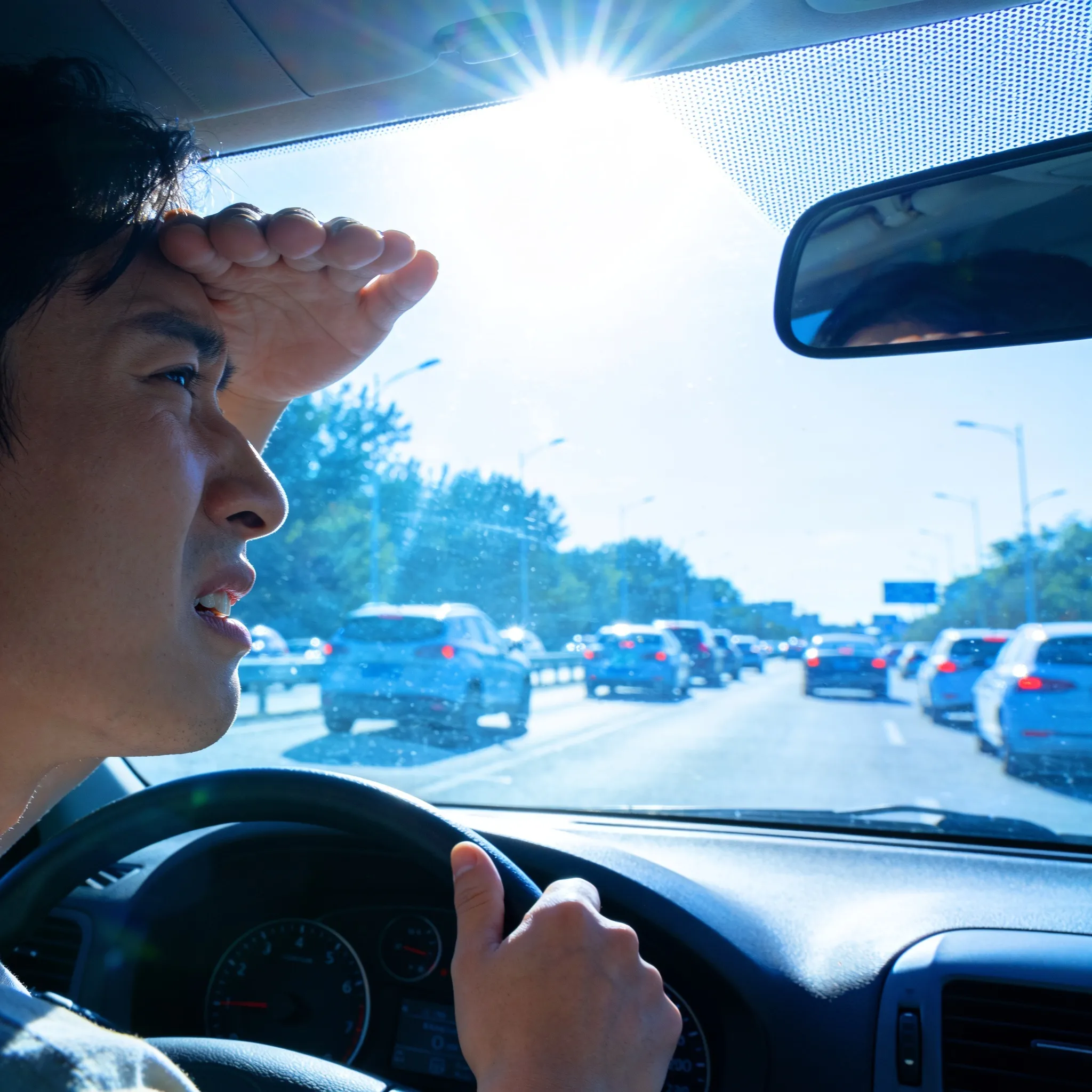
For many photophobic individuals, the simple act of driving presents significant challenges. The combination of bright sunlight, reflections from other vehicles, and varying light conditions makes driving uncomfortable or even impossible without protective measures. This is precisely where photophobia treatment through window tint exemptions becomes medically necessary rather than merely convenient.
Medical Conditions That Qualify for Window Tint Exemptions

Window tint exemptions are granted for various medical conditions, with photophobia being one of the most common qualifying diagnoses. Understanding which conditions qualify and why they necessitate darker window tints helps patients, physicians, and regulatory authorities make informed decisions about medical exemption applications.
Primary Ophthalmological Conditions
Several eye-related conditions directly cause or contribute to photophobia, making them strong candidates for window tint exemption approval.
Corneal Conditions: The cornea, the clear front surface of the eye, is densely packed with nerve endings. When the cornea is damaged or diseased, these nerve endings can become hypersensitive to light. Conditions such as corneal abrasions, keratitis (inflammation of the cornea), corneal ulcers, and corneal dystrophies can all produce severe photophobia. Patients with these conditions often report that even brief light exposure causes intense pain and tearing. For individuals with chronic corneal conditions, window tints provide essential protection during transportation.
Uveitis: This inflammatory condition affects the uvea, the middle layer of the eye containing the iris, ciliary body, and choroid. Uveitis produces significant light sensitivity because inflammation increases the eye’s sensitivity to normal stimuli. The condition can be acute or chronic, with some patients experiencing recurring episodes throughout their lives. During active inflammation, patients typically find bright light intolerable. Even between episodes, many uveitis patients maintain heightened light sensitivity.
Iritis: Specifically referring to inflammation of the iris, iritis causes severe photophobia through multiple mechanisms. The inflamed iris becomes painful when exposed to light, and the muscles controlling pupil size may experience painful spasms when attempting to constrict in bright conditions. Patients with iritis often require prolonged periods of reduced light exposure during treatment, making medical window tinting exemptions medically necessary for maintaining mobility and independence.
Cataracts: While cataracts primarily cause clouding of the eye’s lens and reduced vision, they also contribute to light sensitivity through various mechanisms. The clouded lens can scatter light within the eye, creating glare and visual discomfort. Patients awaiting cataract surgery often experience significant photophobia and benefit from window tints during their pre-surgical period.
Albinism: This genetic condition affects pigment production throughout the body, including the eyes. Individuals with albinism have reduced pigmentation in the iris and retina, providing less natural protection against bright light. The lack of pigment means more light enters the eye and reaches the retina, often causing significant discomfort and vision problems in normal lighting conditions. People with albinism typically require lifelong protection from bright light, making window tint exemptions a permanent medical necessity.
Neurological Disorders
Many neurological conditions produce photophobia as a primary or secondary symptom, often through mechanisms involving altered pain processing or sensory sensitivity.
Migraine Headaches: Migraine represents one of the most common conditions associated with photophobia. During migraine episodes, patients typically experience severe sensitivity to light, along with headache pain, nausea, and other neurological symptoms. Research indicates that exposure to bright light can trigger migraine attacks in susceptible individuals and intensify ongoing episodes. Between attacks, many migraine patients maintain heightened light sensitivity compared to individuals without migraines.
The relationship between migraine window tint needs and photophobia is bidirectional. Light exposure can trigger migraines, while migraine episodes increase light sensitivity. This creates a challenging cycle where patients must carefully manage their light environment to prevent attacks. Services like TintedMD can help migraine patients streamline the window tint exemption process, allowing them to drive and travel without triggering or worsening episodes.
Traumatic Brain Injury: TBI commonly produces persistent photophobia, with studies indicating that 50-60% of TBI patients develop light sensitivity that may persist for months or years following injury. The mechanisms underlying post-traumatic photophobia involve disruption of normal neurological pathways and altered pain processing. According to the Brain Injury Association of America, even mild concussions can produce significant TBI light sensitivity that interferes with daily activities.
For TBI patients, managing light exposure becomes crucial during recovery and ongoing symptom management. Many patients find that bright light triggers or worsens other post-concussive symptoms, including headaches, dizziness, and cognitive difficulties. Window tints provide essential protection during the recovery period and may remain necessary indefinitely for patients with persistent symptoms.
Meningitis and Encephalitis: These serious infections affecting the brain and its protective membranes characteristically produce severe photophobia as a key diagnostic sign. While acute infections require immediate medical treatment, some patients experience persistent light sensitivity following recovery. Post-infectious photophobia may result from lasting changes to neurological function or continued inflammation affecting pain pathways.
Chronic Daily Headache: Patients who experience frequent or continuous headaches often develop secondary photophobia. The constant pain sensitizes neurological pathways, making patients more susceptible to sensory triggers, including bright light. Managing the light environment becomes an important component of comprehensive headache treatment.
Dermatological Conditions
Several skin conditions increase sensitivity to ultraviolet radiation and visible light, necessitating protection through window tints and other measures.
Lupus Erythematosus: Both systemic lupus erythematosus (SLE) and cutaneous lupus produce significant photosensitivity. Exposure to ultraviolet light can trigger disease flares, worsen skin lesions, and cause systemic symptoms. Patients with lupus require consistent sun protection, including the use of darker window tints to block UV window protection during vehicle travel. Since lupus is a chronic, lifelong condition, window tint exemptions typically represent permanent medical accommodations.
Porphyria: This group of rare metabolic disorders affects heme production and can cause severe photosensitivity. Certain types of porphyria, particularly erythropoietic protoporphyria, produce painful skin reactions to light exposure. Patients may experience burning sensations, swelling, and scarring following even brief light exposure. For these individuals, comprehensive light avoidance is medically essential, and window tint exemptions provide critical protection.
Xeroderma Pigmentosum: This extremely rare genetic disorder prevents the body from repairing DNA damage caused by ultraviolet light. Affected individuals have extremely high risks of skin cancer and must avoid all UV exposure. Window tints that block UV radiation are medically essential rather than optional for these patients.
Medication-Induced Photosensitivity
Many commonly prescribed medications increase sensitivity to light as a side effect. According to the FDA, while drug-induced photosensitivity typically resolves when the medication is discontinued, some patients require long-term treatment with photosensitizing drugs, making window tint exemptions necessary.
Medications that commonly cause photosensitivity include certain antibiotics (particularly tetracyclines and fluoroquinolones), nonsteroidal anti-inflammatory drugs, some antihypertensive medications, and various psychiatric medications. Patients taking these medications long-term may benefit from window tint exemptions to manage their increased light sensitivity while continuing necessary treatment.
The Science Behind Window Tinting and Light Protection

Understanding how window tints work and their effectiveness in managing photophobia helps patients and healthcare providers make informed decisions about exemption applications and tint specifications. Historical research on photophobia treatment has long recognized the benefits of tinted protection.
Window Tint Specifications and Light Transmission
Window tints are measured by their Visible Light Transmission (VLT) percentage, which indicates how much visible light passes through the tinted window. A VLT of 70% means the window allows 70% of visible light to pass through, blocking 30%. Lower VLT percentages indicate darker tints that block more light, as explained by the International Window Film Association.
Most jurisdictions set specific VLT requirements for vehicle windows to balance safety concerns with driver visibility. Typically, windshields must allow at least 70-75% light transmission, while front side windows require 50-70% transmission depending on the jurisdiction. According to NHTSA safety standards, rear windows and back windshields usually have fewer restrictions, often allowing VLT as low as 20-35%.
Medical exemptions allow patients to use darker tints than these standard limits. Commonly approved exemption tints range from 20-35% VLT for front side windows and even darker tints for other windows. The specific VLT percentage recommended depends on the severity of the patient’s condition, their light sensitivity level, and safety considerations.
Ultraviolet and Infrared Protection
Modern window tints provide protection beyond simply darkening windows. High-quality tints block significant amounts of ultraviolet (UV) radiation and infrared (IR) heat while still allowing necessary visible light transmission.
UV protection is particularly important for patients with dermatological conditions like lupus, where UV exposure triggers disease symptoms. Quality window tints can block 99% or more of harmful UV-A and UV-B radiation, providing protection comparable to high-SPF sunscreen. This protection remains constant regardless of the tint’s darkness level, as UV blocking depends on the film’s chemical composition rather than its visible light transmission.
Infrared rejection helps reduce heat buildup inside vehicles, providing additional comfort for photophobic patients. Heat can worsen symptoms in many conditions, and reducing vehicle interior temperatures through IR-rejecting tints creates a more comfortable environment. Some ceramic and carbon-based tints can reject 50-70% of infrared heat while maintaining relatively high visible light transmission, offering an ideal balance for patients who need UV protection without excessive darkness.
Effectiveness Studies
Research examining window tint effectiveness for medical conditions demonstrates significant symptom reduction for photophobic patients. Studies involving migraine patients found that darker window tints substantially reduced the frequency and severity of light-triggered headaches during driving. Patients with tinted windows reported fewer migraine episodes, reduced medication use, and improved quality of life.
Research focusing on post-concussion syndrome and traumatic brain injury patients showed that darker window tints allowed earlier return to driving and reduced the severity of post-concussive symptoms during vehicle travel. The controlled light environment created by medical-grade tints helped patients tolerate the visual demands of driving without triggering symptom exacerbations.
For patients with dermatological conditions requiring UV protection, studies demonstrate that proper window tinting provides medical-grade protection against disease flares triggered by sun exposure. This protection extends beyond what standard vehicle windows provide, as even clear automotive glass blocks only about 60-70% of UV radiation.
Legal Framework for Window Tint Exemptions
Understanding the legal requirements and processes for obtaining window tint exemptions helps patients navigate the application system effectively. Comprehensive state-by-state information is available for those researching their jurisdiction’s specific requirements.
Federal and State Regulations
In the United States, window tint regulations fall primarily under state jurisdiction, with each state establishing its own rules regarding both standard tint limits and medical exemptions. While federal regulations exist for vehicle safety standards, specific tint limitations and exemption processes are determined at the state level.
Most states recognize medical exemptions for window tinting, though the specific conditions qualifying for exemptions, the application processes, and the documentation requirements vary significantly. Some states provide clearly defined lists of qualifying conditions, while others grant exemptions based on physician recommendations without specifying particular diagnoses.
States typically require applicants to submit documentation from a licensed physician, optometrist, or other qualified healthcare provider. This documentation must clearly state the medical diagnosis, explain why darker window tints are medically necessary, and often must specify the recommended VLT percentage. The physician’s license number and contact information are usually required to allow verification of the prescription.
Application Process and Documentation Requirements
The typical window tint exemption application process involves several key steps. For qualified patients, TintedMD offers a streamlined approach to simplify the application process and ensure all necessary documentation is properly completed.
Medical Evaluation: Patients must first undergo evaluation by a qualified healthcare provider who can diagnose their condition and determine whether darker window tints are medically necessary. This evaluation should be thorough, documenting the specific symptoms, the severity of light sensitivity, and how current lighting conditions affect the patient’s ability to drive safely and comfortably.
Physician Certification: The healthcare provider must complete a certification form, often provided by the state’s motor vehicle department. This form typically requires the physician to state the diagnosis, explain the medical necessity for window tints, recommend specific VLT percentages for different windows, and certify that the exemption is medically necessary rather than merely convenient.
Application Submission: Patients submit the completed physician certification along with an application form and any required fees to their state’s motor vehicle department or equivalent authority. Some states process exemptions through the same office that handles disabled parking permits, while others have separate divisions managing medical tint certification.
Vehicle Inspection: Some jurisdictions require vehicle inspection to verify that installed tints meet the specifications outlined in the exemption approval. The inspection ensures that tints are professional quality, properly installed, and comply with the approved VLT percentages.
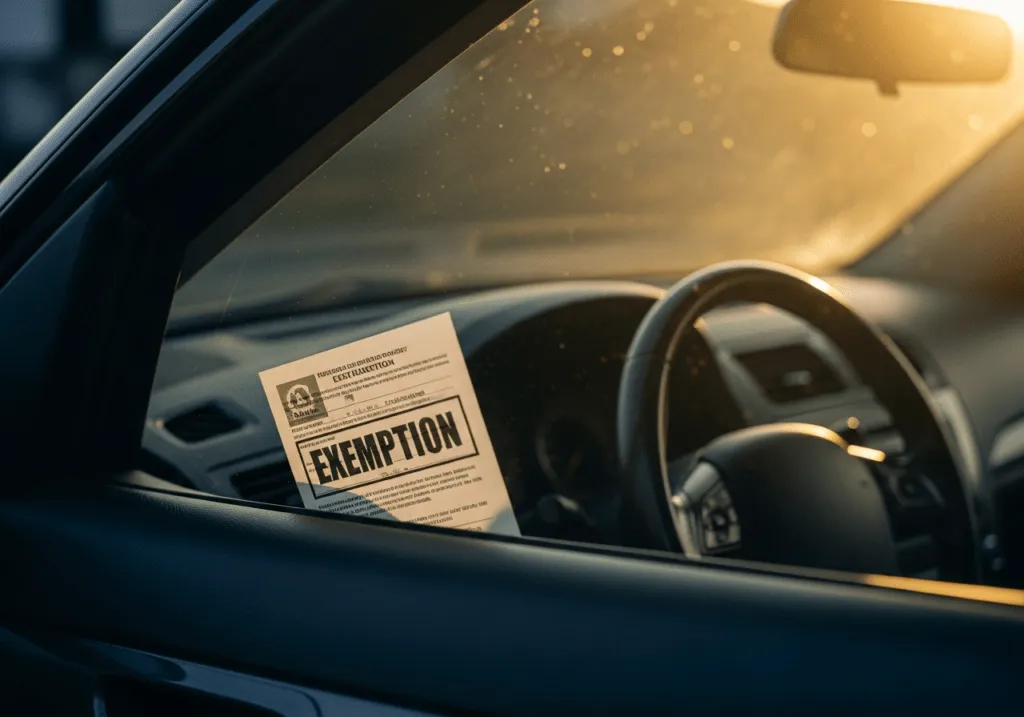
Exemption Certificate: Upon approval, patients receive an exemption certificate that must be kept in the vehicle at all times. This certificate provides proof of authorization to law enforcement officers during traffic stops. It typically includes the patient’s information, the medical condition justifying the exemption, the approved VLT specifications, and an expiration date.
Duration and Renewal Requirements
Window tint exemptions are typically granted for specific time periods rather than permanently. Common exemption durations range from two to five years, depending on the jurisdiction and the nature of the qualifying condition.
Chronic, permanent conditions like albinism or chronic progressive neurological disorders may receive longer exemption periods or simplified renewal processes. Conditions that may improve over time, such as recovery from traumatic brain injury, often receive shorter exemption periods with requirements for re-evaluation before renewal.
Renewal processes typically require updated medical documentation demonstrating that the qualifying condition persists and continues to necessitate darker window tints. Patients must submit new physician certifications along with renewal applications before their current exemptions expire. Some states offer simplified renewal processes for patients with clearly permanent conditions, requiring only brief physician statements confirming ongoing medical necessity rather than complete re-evaluations.
Exemption Limitations and Restrictions
Even with medical exemptions, certain restrictions typically apply. Most states require that windshields maintain relatively high VLT percentages, often allowing only minimal darkening of windshields even with exemptions. This restriction balances medical needs with safety concerns about driver visibility, particularly during nighttime driving.
Exemptions usually apply only to the specific vehicle listed in the exemption certificate. Patients who drive multiple vehicles must either apply for exemptions for each vehicle or ensure their exemption certificate covers multiple vehicles if their jurisdiction allows this option.
Medical exemptions do not exempt drivers from other vehicle laws and regulations. Drivers with tinted windows must still maintain safe operation of their vehicles, ensure adequate visibility for safe driving, and comply with all other traffic laws.
Application Guide: How to Obtain Your Window Tint Exemption

This step-by-step guide helps patients navigate the photophobia driving exemption application process effectively.
Step 1: Confirm Eligibility
Before beginning the application process, confirm that your condition qualifies for an exemption in your jurisdiction. Review your state’s regulations and requirements or contact your motor vehicle department directly to obtain information about qualifying conditions and documentation requirements. Some states provide detailed lists of qualifying diagnoses, while others use broader criteria allowing physician discretion.
Step 2: Schedule Medical Evaluation
Arrange an appointment with an appropriate healthcare provider. For eye-related conditions, an ophthalmologist or optometrist can provide the necessary evaluation and certification. For neurological conditions like migraine or traumatic brain injury, a neurologist or primary care physician familiar with your condition can complete the certification. For dermatological conditions, a dermatologist provides the most appropriate evaluation.
During your appointment, be prepared to discuss your symptoms in detail, how light affects your condition, specific situations where light sensitivity causes problems, and your current strategies for managing light sensitivity. Bring any relevant medical records documenting your diagnosis and treatment history.
Step 3: Obtain Physician Certification
Your healthcare provider will complete the required certification form. Ensure the form includes all necessary information, including your full diagnosis using proper medical terminology, specific photophobia symptoms related to light sensitivity, clear statement of medical necessity for darker window tints, recommended VLT percentages for different windows, and the physician’s complete contact information and license number.
Review the completed certification carefully to ensure all information is accurate and complete. Incomplete or unclear certifications may delay processing or result in application denial.
Step 4: Complete Application Forms
Obtain the application form from your state’s motor vehicle department website or office. Complete all sections thoroughly and accurately. The application typically requires your personal information including name, address, and driver’s license number, vehicle information for the car that will be tinted, details about your medical condition, and your physician’s certification.
Gather any required supporting documentation, which may include copies of your driver’s license, vehicle registration, prescription or medical records, and payment for application fees.
Step 5: Submit Application
Submit your completed application, physician certification, supporting documents, and payment to the designated office. Check whether your jurisdiction accepts mail applications, online submissions, or requires in-person submission. Keep copies of all submitted documents for your records.
Processing times vary by jurisdiction but typically range from two to six weeks. Some states offer expedited processing for urgent medical needs. For assistance with the application process, qualified patients can visit TintedMD to streamline their exemption application.
Step 6: Install Window Tints
Once you receive exemption approval, have professional window tinting installed by a qualified installer. Provide your installer with the approved VLT specifications to ensure compliance with your exemption. Request documentation from the installer showing the exact VLT percentages installed on each window.
Professional installation ensures proper application, compliance with approved specifications, warranty coverage for the tinting film, and acceptable appearance. According to Consumer Reports, avoid do-it-yourself tinting, as improper installation may void your exemption or create compliance issues.
Step 7: Maintain Exemption Documentation
Keep your exemption certificate in your vehicle at all times, readily accessible to present to law enforcement officers if stopped. Store installation documentation with your vehicle records. Note your exemption expiration date and set a reminder to begin the renewal process at least two months before expiration to ensure continuous coverage.
Benefits of Window Tint Exemptions for Photophobic Patients
Medical window tint exemptions provide numerous benefits beyond simple symptom relief, improving overall quality of life for patients with light sensitivity.
Symptom Reduction and Management
The primary benefit of window tint exemptions is direct reduction of photophobia symptoms. Darker tints filter out excessive light, reducing the amount of light reaching the eyes and decreasing activation of pain pathways. Patients consistently report fewer headaches, reduced eye pain, decreased squinting and eye strain, and improved comfort during driving and travel.
For migraine patients, properly tinted windows can significantly reduce the frequency of light-triggered episodes. The controlled light environment prevents the sudden bright light exposures that often trigger migraine attacks. Between episodes, darker tints allow patients to drive more comfortably without the constant worry of triggering their next headache.
Traumatic brain injury patients often experience dramatic symptom improvement with medical-grade window tints. The reduced sensory input helps prevent symptom exacerbation, allowing patients to tolerate driving earlier in their recovery process. Many post-concussion patients report that window tints make the difference between being able to drive safely and being unable to operate a vehicle.
Improved Mobility and Independence
Photophobia can severely restrict mobility, with patients avoiding driving during daytime hours or limiting travel to overcast days. This restriction impacts employment opportunities, social engagement, and independence in daily activities. Window tint exemptions restore the ability to drive comfortably during various lighting conditions, significantly improving independence and quality of life.
Patients with exemptions report increased confidence driving, expanded ability to maintain employment requiring travel, improved capacity to attend medical appointments independently, and enhanced participation in social and recreational activities.
For patients in sunny climates or those requiring frequent daytime driving, exemptions represent essential medical accommodations rather than luxury features. The ability to drive safely and comfortably directly impacts these individuals’ capacity to function independently.
UV Protection and Long-term Health Benefits
For patients with dermatological conditions requiring UV protection, window tint exemptions provide critical health benefits beyond symptom management. Proper tinting blocks harmful UV radiation that could trigger disease flares, increase skin cancer risk, cause acute symptoms like burning and pain, and accelerate disease progression.
The consistent UV window protection provided by medical-grade window tints offers advantages over sunscreen alone. While sunscreen provides essential protection during outdoor activities, window tints create a controlled environment during vehicle travel where sunscreen might not be applied or may wear off during long drives. This comprehensive protection approach helps patients maintain better long-term disease control.
Medication Reduction
Many patients with chronic photophobia require significant medication regimens to manage their underlying conditions and control symptoms. Window tint exemptions, by reducing symptom triggers, can help some patients reduce their medication requirements.
Migraine patients may find they need fewer acute headache medications when they have better control over light exposure. This reduction has important implications, as frequent use of acute migraine medications can lead to medication overuse headaches and other complications. Similarly, patients with chronic pain conditions may require lower doses of pain medications when environmental triggers like bright light are better controlled.
Reducing medication use provides multiple benefits including fewer side effects, decreased medication costs, reduced risk of drug interactions, and improved overall health through less medication burden.
Psychological and Emotional Benefits
Living with chronic photophobia creates significant psychological stress. Patients often experience anxiety about light exposure, frustration with activity limitations, social isolation due to avoidance of bright environments, and depression related to chronic pain.
Window tint exemptions address these psychological impacts by providing patients with a sense of control over their condition, reducing anxiety about triggering symptoms, enabling fuller participation in daily activities, and improving overall emotional wellbeing.
The psychological relief of knowing one can drive comfortably and safely represents an important, though often underappreciated, benefit of medical exemptions. Patients report feeling less anxious, more capable, and better able to manage their conditions effectively with this accommodation in place.
Conclusion
Photophobia represents a legitimate medical condition that significantly impacts quality of life for millions of individuals. Window tint exemptions provide essential accommodations that allow photophobic patients to maintain mobility, independence, and better symptom control. Understanding the medical basis for these exemptions, the conditions that qualify, and the application processes helps patients advocate effectively for their medical needs.
If you experience significant light sensitivity that interferes with driving or daily activities, consult with your healthcare provider about whether a window tint medical exemption is appropriate for your situation. With proper documentation and understanding of the application process, obtaining an exemption is straightforward and can dramatically improve your quality of life.
The medical evidence supporting window tint exemptions is robust, documenting substantial symptom reduction and functional improvement for patients with photophobia. These exemptions represent not luxury accommodations but medically necessary interventions that help patients with chronic conditions maintain independence and manage their symptoms effectively. By understanding your rights, following proper application procedures, and working closely with your healthcare providers, you can obtain the accommodations you need to drive safely and comfortably despite light sensitivity.
Get your Texas photophobia tint exemption in Texas. Started today,no clinic visit required.
Frequently Asked Questions
Do I need a window tint exemption if I have photophobia?
Whether you need a window tint exemption depends on your jurisdiction’s regulations and the darkness of tint you require. If you want window tints darker than your state’s legal limits, you will need a medical exemption. If standard legal tints provide sufficient relief, an exemption may not be necessary.However, many photophobic patients find that standard legal tints are insufficient for managing their symptoms. Medical exemptions allow darker tints specifically because standard limits do not adequately address medical needs. If you experience significant light sensitivity that interferes with driving, consult your healthcare provider about whether a medical exemption is appropriate for your condition.
How dark can my windows be with a medical exemption?
The darkness permitted with medical exemptions varies by jurisdiction. Most states allow front side window VLT of 20-35% with exemptions, compared to 50-70% for standard regulations. Some states permit even darker tints for patients with severe photophobia.Windshield tinting remains restricted even with exemptions, typically allowing only the top few inches to be tinted or requiring minimum VLT of 70-80%. This restriction balances medical needs with safety concerns about visibility.Your physician will recommend specific VLT percentages based on your condition’s severity and your practical needs. The goal is to find the darkest tint that adequately manages your symptoms while maintaining safe visibility for driving.
Can I get an exemption for multiple vehicles?
Policies regarding multiple vehicle coverage vary by state. Some states issue exemptions specific to individual vehicles, requiring separate applications for each car. Other states issue exemptions to the driver rather than the vehicle, allowing the patient to tint multiple vehicles under one exemption.Check your state’s specific policies regarding multiple vehicle coverage. If you regularly drive multiple vehicles, inquire about options for covering all vehicles under your exemption to ensure consistent symptom management.
Will law enforcement respect my window tint exemption?
Law enforcement officers are trained to recognize and respect legitimate medical exemptions. When stopped, calmly inform the officer that you have a medical window tint exemption and present your exemption certificate. Keep your exemption certificate readily accessible in your vehicle, preferably in your glove compartment with your vehicle registration and insurance documents.Most interactions involving medical exemptions proceed smoothly once officers verify your documentation. If you encounter difficulties with law enforcement regarding your exemption, remain courteous and cooperative. Request to speak with a supervisor if the officer questions your exemption’s validity despite proper documentation.
What happens if my exemption expires?
Driving with expired exemption documentation makes you subject to ticketing for illegal window tints. To avoid this situation, note your exemption expiration date carefully and begin the renewal process at least two months before expiration.If your exemption expires before renewal approval comes through, you may need to temporarily remove your window tints or limit driving until renewal is approved. Some states provide temporary exemptions or grace periods during renewal processing, but this varies by jurisdiction.Set calendar reminders for exemption renewal to ensure you maintain continuous coverage. The renewal process is typically simpler than initial applications, particularly for chronic conditions, but still requires updated medical documentation and processing time.
Do window tint exemptions work in other states?
Window tint exemption reciprocity varies significantly between states. Some states recognize exemptions issued by other states, while others require compliance with local regulations regardless of exemptions from elsewhere.If you frequently travel to other states or are relocating, research the window tint regulations and exemption recognition policies in those jurisdictions. You may need to obtain additional exemptions for states where you spend significant time.When traveling, keep copies of your medical documentation with your exemption certificate. If stopped in another state, these documents help explain your situation even if that state does not formally recognize your home state’s exemption. Officers often exercise discretion when presented with legitimate medical documentation.
What are the legal medical reasons to have a dark tint?
Photophobia (extreme light sensitivity) is a recognized medical reason for darker window tint when a physician documents that standard tint limits and automotive glass do not adequately reduce painful light exposure while driving.
Is 50% windshield tint worth it for photophobia?
For photophobia patients, darker tint than standard legal limits often provides meaningful relief from glare and bright light. A medical exemption may authorize darker windshield and side-window tint when a physician certifies the medical necessity.

Meet the author
Nida Hammad
I am a professional writer with over five years of experience creating clear, engaging, and well-researched content. I specialize in medical window tint exemptions and state compliance topics, helping readers understand tint laws and exemption requirements in simple, easy-to-follow language. Currently, I write for TintedMD, where I focus on producing accurate, trustworthy guides to help drivers navigate the medical tint exemption process with confidence.
Get Your Medical Tint Exemption Online in Minutes
Check Your Eligibility