Lupus
 by Nida Hammad
 Last updated:
Medically reviewed by:
Dr. Matthew Reynolds, MD


Lupus and Window Tint Medical Exemptions: Your Complete Guide
Systemic lupus erythematosus, commonly known as lupus, is a chronic autoimmune disease that affects millions of Americans, with approximately 1.5 million diagnosed cases in the United States alone. This complex condition occurs when the immune system mistakenly attacks healthy tissues and organs throughout the body, causing widespread inflammation and damage to multiple systems. While lupus can affect various organs including the joints, kidneys, heart, lungs, and blood vessels, one of its most prominent and challenging symptoms is photosensitivity, an extreme sensitivity to ultraviolet radiation from both natural sunlight and artificial light sources.
The relationship between lupus and sunlight exposure is not merely uncomfortable; it can be medically dangerous and potentially life-threatening. Research from the Lupus Foundation of America indicates that 40 to 70 percent of individuals with lupus experience significant photosensitivity, with some clinical studies suggesting rates as high as 93 percent depending on the specific type and severity of the disease. For these individuals, even brief or ambient exposure to UV radiation can trigger a cascade of harmful reactions that extend far beyond simple sunburn or skin irritation.
The Science Behind Lupus Photosensitivity
Understanding why lupus patients are so vulnerable to UV exposure requires examining what happens at the cellular and immunological level. When ultraviolet radiation penetrates the skin, it causes direct damage to skin cells, triggering a natural process called apoptosis, where damaged cells undergo programmed cell death. In healthy individuals, the immune system efficiently recognizes and clears away these dead cells without incident, and any minor sunburn or irritation heals within a short period.
However, in individuals with lupus, this normal process goes dangerously awry. The immune system of lupus patients does not effectively clear dead skin cells caused by UV damage. Instead, these cellular remnants accumulate and trigger an abnormal immune response. The body’s confused immune system begins attacking not only the dead cells but also healthy tissue, leading to widespread inflammation and the characteristic symptoms of a lupus flare.
Scientific research published in medical journals has revealed that UV radiation triggers several problematic mechanisms in lupus patients. Exposure to UV light activates interferon pathways, causing an overproduction of type I interferons—proteins that play a central role in lupus disease activity. These elevated interferon levels correlate directly with increased disease severity, systemic inflammation, and the development of cutaneous lesions. Additionally, UV exposure can increase the production of pro-inflammatory cytokines, recruit inflammatory immune cells to the skin, and activate autoantibody production—all of which contribute to worsening lupus symptoms.
The skin cells of lupus patients also demonstrate increased sensitivity to UV-induced apoptosis compared to healthy individuals. This heightened vulnerability means that even minimal sun exposure that would cause no harm to a person without lupus can result in significant cellular damage and immune activation in someone with the condition. This fundamental biological difference is why lupus patients require enhanced protection from UV radiation beyond what standard sun protection measures can provide.
The Physical Manifestations of Lupus Photosensitivity
Cutaneous Lupus Erythematosus
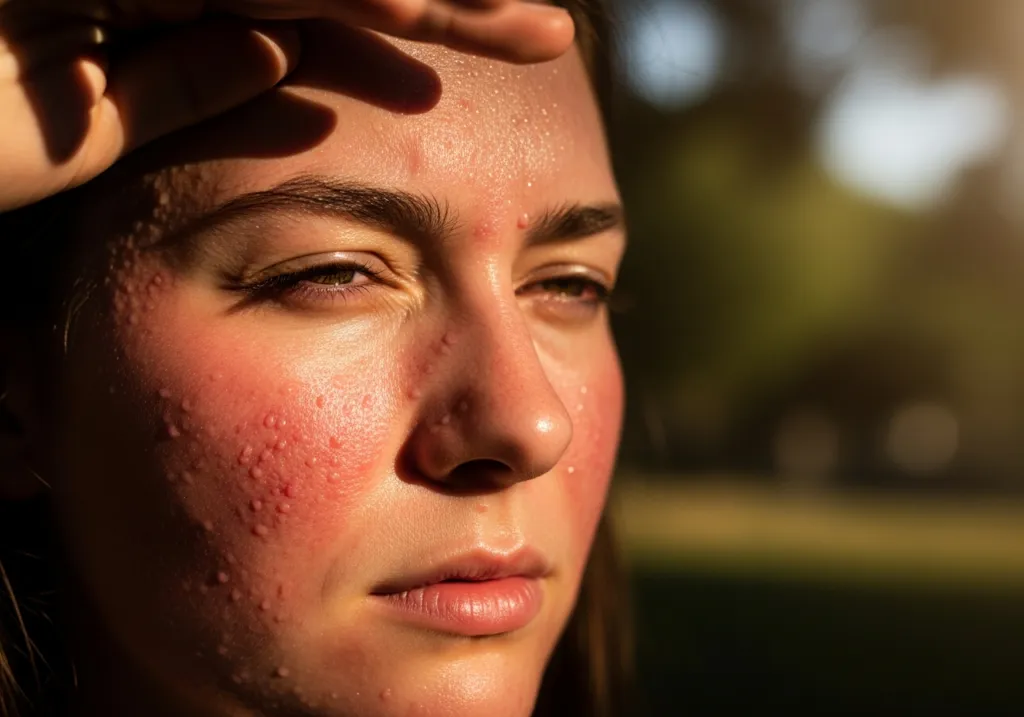
When lupus patients are exposed to UV radiation, they can develop a range of skin manifestations collectively known as cutaneous lupus erythematosus. These skin reactions are not merely cosmetic concerns; they are painful, potentially disfiguring, and indicative of active disease processes occurring throughout the body.
The most recognizable cutaneous manifestation is the malar rash, often called the “butterfly rash” because of its distinctive shape across the cheeks and bridge of the nose. This raised, red rash appears after sun exposure and can persist for days or weeks. However, lupus-related skin lesions can take many forms, including discoid lesions (thick, scaly patches that can cause permanent scarring), subacute cutaneous lupus lesions (widespread red, scaly patches), and photosensitive dermatitis that causes burning, itching, and severe discomfort.
These skin reactions typically appear within hours to days after UV exposure, though some individuals experience delayed reactions that may not manifest until a week or more after the triggering exposure. The severity can range from mild redness and irritation to severe blistering, open sores, and permanent scarring. Importantly, these visible skin symptoms often signal broader systemic inflammation occurring throughout the body.
Systemic Lupus Flares Triggered by UV Exposure
Beyond the visible skin manifestations, UV exposure can trigger comprehensive systemic lupus flares that affect the entire body. Patients who have been exposed to sunlight or other sources of UV radiation may experience a constellation of debilitating symptoms, including extreme fatigue that makes it difficult to perform daily activities, widespread joint pain and swelling, muscle aches, fever, headaches, cognitive difficulties often described as “brain fog,” and increased susceptibility to infections.
These systemic flares can last anywhere from several days to several weeks and may require increased medication dosages or additional treatments to bring under control. For some lupus patients, a significant UV exposure can trigger flares severe enough to require hospitalization, particularly if the flare affects vital organs such as the kidneys or heart.
Recent research has also established connections between UV-exposed skin and systemic organ involvement. Studies have shown that when lupus patients experience skin lesions from UV exposure, inflammatory cells can migrate from the skin to other organs, particularly the kidneys, where they contribute to lupus nephritis, a serious complication that can lead to kidney failure if not properly managed. This finding underscores that protecting the skin from UV radiation is not just about preventing rashes; it’s about preventing serious systemic complications.
The Impact on Daily Life and Driving
For individuals living with lupus photosensitivity, the constant threat of UV exposure creates significant challenges in daily life. Simple activities that others take for granted, running errands, commuting to work, attending outdoor events, or even sitting near a window, become sources of anxiety and potential harm. Many lupus patients describe feeling imprisoned by their need to avoid sunlight, leading to social isolation, difficulty maintaining employment, and reduced quality of life.
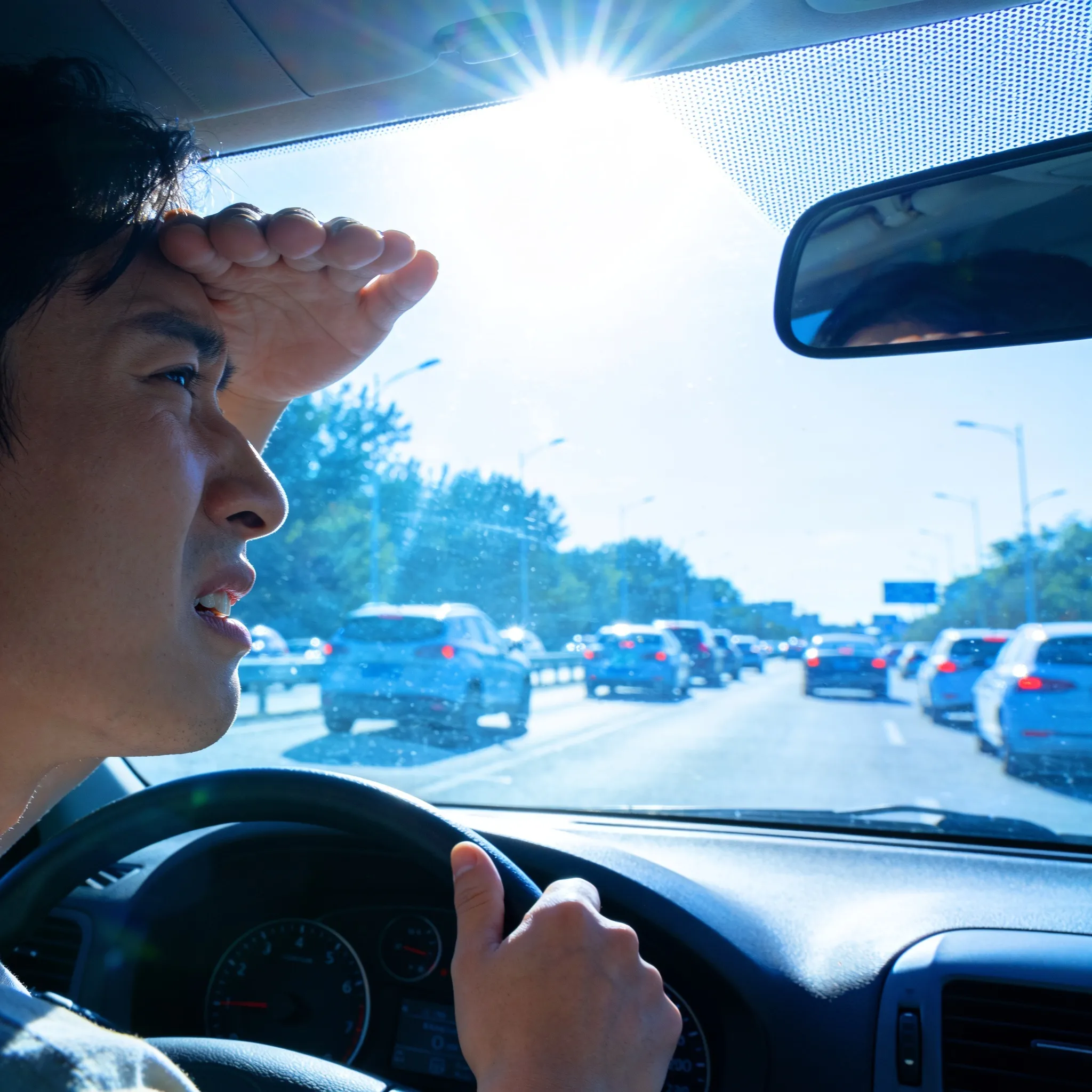
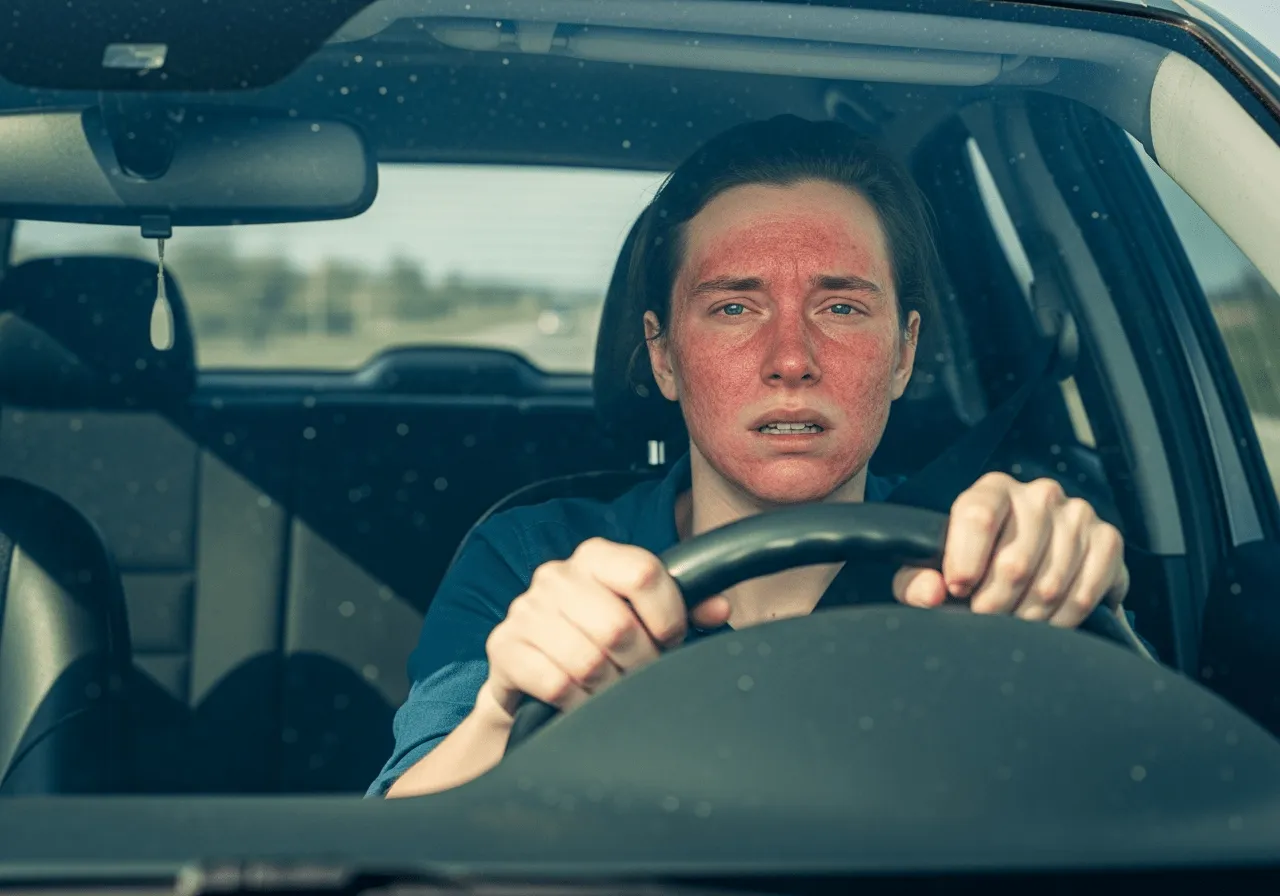
Driving presents particular challenges for photosensitive lupus patients. Standard vehicle windows, while blocking some UV-B radiation, allow significant amounts of UV-A radiation to pass through. During a typical commute, drivers and passengers are exposed to UV radiation that can penetrate through side windows and windshields, accumulating over time to cause harmful effects. For lupus patients, this daily exposure during driving can be enough to trigger skin reactions and systemic flares, even when they take precautions in other aspects of their lives.
The glare from sunlight can also cause immediate discomfort, headaches, and vision problems for many lupus patients, making driving not only uncomfortable but potentially dangerous. Some individuals report that bright sunlight causes such severe light sensitivity that they experience temporary vision impairment, putting themselves and others at risk on the road. This combination of health risks and safety concerns is precisely why window tint medical exemptions exist and why lupus is recognized as a qualifying condition in virtually every state that offers such exemptions.
Why Lupus Qualifies for Window Tint Medical Exemptions

Medical Necessity and Legal Recognition
Window tint medical exemptions exist to accommodate individuals with legitimate health conditions that necessitate enhanced protection from ultraviolet radiation beyond what standard vehicle windows provide. Lupus, particularly systemic lupus erythematosus and discoid lupus erythematosus, is universally recognized as a qualifying condition for these exemptions due to the well-documented medical evidence of photosensitivity and the serious health consequences of UV exposure.
State regulations across the United States acknowledge lupus as a valid medical reason for requiring darker window tints that exceed normal legal limits. The legal framework for these exemptions typically falls under state vehicle codes and is administered by departments of motor vehicles or transportation agencies. Most states specifically list lupus erythematosus in their regulations, citing the medical necessity of limiting UV exposure for affected individuals.
The medical basis for lupus qualifying for window tint exemptions rests on several key factors. First, the condition is chronic and lifelong, meaning the need for protection is ongoing rather than temporary. Second, the photosensitivity associated with lupus is severe and can result in serious health complications, not merely discomfort. Third, standard protective measures such as sunscreen and sunglasses, while helpful, are insufficient to fully protect lupus patients during extended periods in vehicles. Fourth, the condition is objectively diagnosable through medical testing, including blood work showing specific autoantibodies, biopsy results, and documented clinical symptoms.
Healthcare providers widely recognize that enhanced window tinting serves as a reasonable medical accommodation that allows lupus patients to maintain independence, continue working, and participate in normal daily activities while minimizing their risk of disease flares. Professional medical organizations, including rheumatology associations, support the use of UV-protective measures for lupus patients, and many physicians routinely recommend window tint exemptions as part of comprehensive disease management strategies.
State-by-State Qualifying Criteria
While lupus is broadly recognized as a qualifying condition, specific requirements and procedures vary by state. Understanding these variations is crucial for successfully obtaining an exemption.
States with Explicit Lupus Recognition: Many states explicitly list lupus in their medical exemption statutes. For example, Illinois specifically names “systemic or discoid lupus erythematosus” as a qualifying condition in its vehicle code. New York’s regulations, updated in December 2017, explicitly include “lupus erythematosus” among conditions that qualify for window tinting exemptions. Florida’s statute specifically mentions “Lupus (SLE or Systemic Lupus Erythematosus)” and requires documentation including a positive ANA titer test result. These explicit mentions in state law make the application process relatively straightforward for lupus patients in these jurisdictions.
States with General Photosensitivity Language: Other states use broader language that encompasses lupus without specifically naming it. These regulations typically reference “photosensitivity disorders,” “medical conditions requiring limited exposure to light,” “severe sensitivity to sunlight,” or “autoimmune diseases causing photosensitivity.” Lupus clearly falls within these categories, though applicants may need to provide more detailed medical documentation explaining how their specific condition meets the general criteria.
Physician Attestation Requirements: Most states require that a licensed physician attest to the medical necessity of the window tint exemption. The physician must typically confirm the lupus diagnosis, explain the photosensitivity symptoms, and state that enhanced window tinting is medically necessary for the patient’s health and safety. Some states provide specific forms that physicians must complete, while others accept letters on medical letterhead.
Documentation Standards: States vary in what medical documentation they require beyond the physician’s statement. Some states require proof of diagnosis through laboratory test results, such as positive ANA (antinuclear antibody) tests, which are commonly elevated in lupus patients. Others may request medical records showing a documented history of photosensitive reactions or lupus-related skin lesions. A few states require ongoing recertification at regular intervals, typically every two to five years, to ensure the medical condition remains active and the exemption continues to be necessary.
Visible Light Transmission Levels Permitted
Standard state window tinting laws typically require that front side windows maintain a minimum visible light transmission (VLT) percentage, usually ranging from 50% to 70%, meaning the windows must allow at least that much light to pass through. Rear windows and back windshields often have more lenient requirements or no restrictions at all. These regulations exist primarily for law enforcement visibility and safety concerns.
With a medical exemption for lupus, states generally allow significantly darker tints on the front side windows, which are normally subject to the strictest restrictions. The specific VLT percentages permitted with an exemption vary by state. Some states allow tints as dark as 20% VLT with a medical exemption, while others may permit 35% or 50% VLT. A few states allow physicians to recommend specific tint levels based on the severity of the patient’s condition, providing flexibility to match the protection level to the medical need.
It’s important to understand that these exemptions focus primarily on the front side windows, as rear windows typically already allow darker tints under standard regulations. Some states also permit limited tinting on the windshield with a medical exemption, usually allowing a tinted strip that extends beyond the standard AS-1 line (typically the top four to six inches of the windshield). This additional windshield protection can be particularly valuable for lupus patients sensitive to glare and direct overhead sunlight.
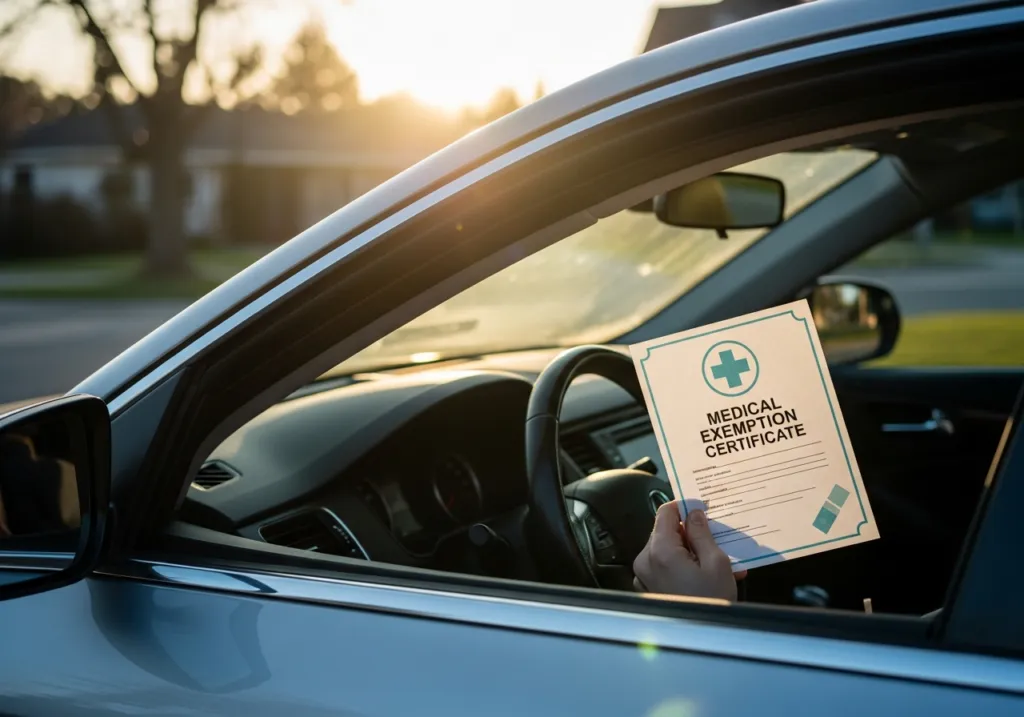
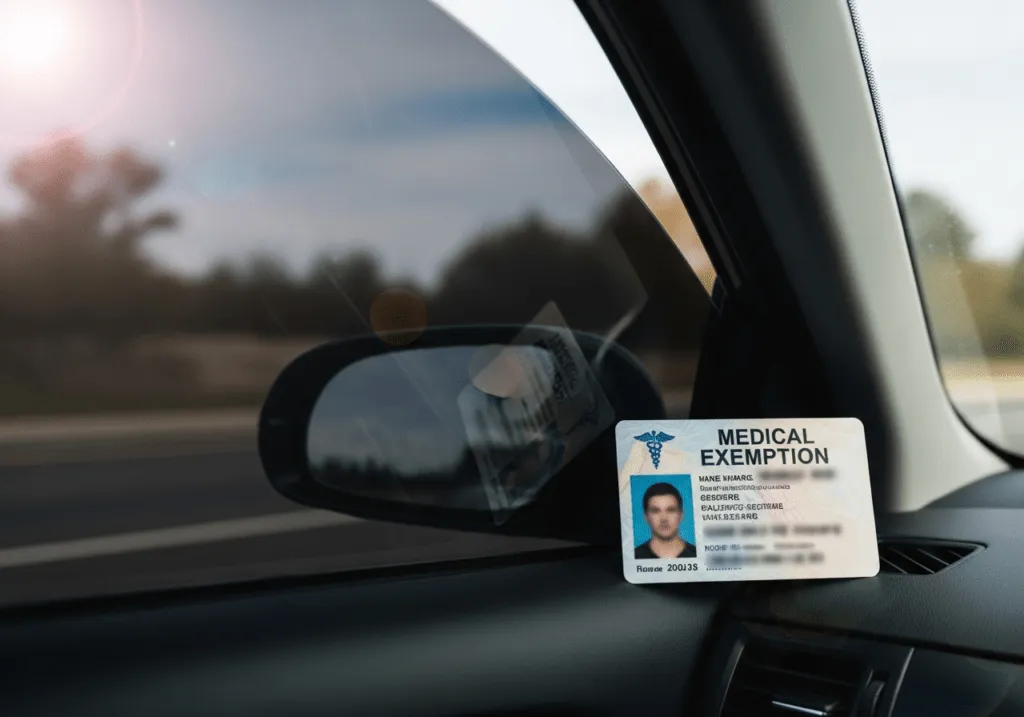
The exemption certificate or documentation typically must be carried in the vehicle at all times to show law enforcement officers if questioned about the darker tints. This documentation serves as legal proof that the tinting is medically necessary and authorized under state exemption provisions.
If lupus-related photosensitivity affects your driving, a window tint exemption for lupus light sensitivity can provide legal, physician-backed protection.
The Application Process for Lupus Window Tint Medical Exemptions

Step 1: Consultation with Your Healthcare Provider
The first and most crucial step in obtaining a window tint medical exemption for lupus is consulting with your treating physician. This is typically your rheumatologist, as rheumatologists specialize in autoimmune diseases like lupus, but your primary care physician may also be able to provide the necessary documentation if they are familiar with your condition and treatment history.
During this consultation, be prepared to discuss the specific ways that UV exposure affects you. Explain any experiences you’ve had with photosensitive reactions, skin rashes that developed after sun exposure, or systemic flares that seemed to be triggered by sunlight. If you’ve noticed symptoms worsening during or after driving, particularly during daytime hours, share these observations with your physician. This information helps your doctor understand the severity of your photosensitivity and the medical necessity for enhanced window tinting.
Your physician will need to provide formal medical documentation for your exemption application. This documentation typically includes a letter on official medical letterhead or a completed state-specific form that includes several key elements: your full name and date of birth, a clear diagnosis of lupus (specifying whether it’s systemic lupus erythematosus, discoid lupus erythematosus, or another form), a description of your photosensitivity symptoms, a statement that you require protection from UV radiation, and a specific recommendation for window tinting as a medically necessary accommodation.
Some states require the physician to recommend a specific VLT percentage based on your medical needs, while others leave this to the discretion of the DMV or allow any tint level with an approved exemption. Your doctor should be specific about why standard protective measures are insufficient and why enhanced window tinting is necessary for your health and safety.
Step 2: Gathering Required Documentation
In addition to your physician’s letter or completed form, you’ll need to compile several other documents for your application. Requirements vary by state, but commonly requested items include a copy of your driver’s license or state identification card, your vehicle registration showing that you own or regularly drive the vehicle for which you’re requesting the exemption, and potentially medical records or test results that support your diagnosis.
For lupus patients, relevant supporting documentation might include laboratory results showing positive ANA tests, anti-DNA antibody tests, or other lupus-specific markers, photographs of skin rashes or lesions that developed after UV exposure (if you have documented these), records of emergency room visits or hospitalizations for lupus flares triggered by sun exposure, and prescription records showing medications you take for lupus management, as these help establish the severity and ongoing nature of your condition.
Some states provide specific medical exemption application forms that must be completed. These forms typically have sections for patient information, physician information and attestation, vehicle details, and sometimes a section for the specific medical condition and symptoms. You can usually find these forms on your state’s Department of Motor Vehicles website or by visiting a DMV office in person.
Step 3: Submitting Your Application
Once you have all the required documentation, you’ll submit your application according to your state’s specific procedures. Some states require in-person submission at a DMV office, while others accept applications by mail or even online. If submitting by mail, it’s advisable to send your application via certified mail with return receipt requested so you have proof of submission and delivery.
There may be application fees associated with obtaining a window tint medical exemption. These fees vary considerably by state, ranging from no fee at all in some states to fees of $10 to $50 in others. Some states charge additional fees for issuing exemption certificates or placards that must be displayed in your vehicle.
Processing times also vary significantly. Some states process exemption applications relatively quickly, within one to two weeks, while others may take four to eight weeks or longer. During periods of high volume or staffing shortages, processing times may be extended. It’s advisable to apply well in advance if you have a specific timeline, such as planning to have window tinting installed by a certain date.
Step 4: Receiving and Understanding Your Exemption
If your application is approved, you’ll receive documentation of your medical exemption. The format varies by state. Some states issue a physical certificate or card that must be kept in your vehicle at all times. Others provide a letter of approval or add a notation to your driver’s license record that law enforcement can verify. A few states issue window decals or stickers that must be displayed on your vehicle to indicate the presence of medically necessary tinting.
Your exemption documentation will typically specify the vehicle or vehicles covered by the exemption. Some states issue person-specific exemptions that apply to any vehicle you regularly drive, while others issue vehicle-specific exemptions tied to a particular car’s VIN number. If you have a person-specific exemption, you may be able to drive any vehicle that has appropriate tinting without needing to reapply. If your exemption is vehicle-specific, you’ll need to apply for a new exemption if you purchase a different vehicle.
Pay attention to whether your exemption has an expiration date. Some states issue permanent exemptions that remain valid as long as you have the medical condition, while others require renewal every two to five years. Set reminders well in advance of any expiration date to ensure you maintain continuous exemption status.
Step 5: Having Window Tinting Professionally Installed
After receiving your exemption approval, the final step is having the actual window tinting installed on your vehicle. It’s crucial to use a professional, reputable window tinting service that understands medical exemption requirements and state regulations. Professional installers ensure that the tint meets the specifications of your exemption and is applied correctly for maximum UV protection and longevity.
When selecting a tinting service, look for installers experienced with medical exemptions who use high-quality UV-blocking films that specifically block both UV-A and UV-B radiation. Not all window tints provide the same level of UV protection even at the same darkness level, so it’s important to choose films specifically designed for maximum UV rejection. Many professional tinters offer ceramic or nano-ceramic films that block over 99% of UV radiation while also providing heat rejection and glare reduction benefits.
Discuss your specific medical needs with the installer and ensure they understand that the tinting is for health reasons, not just aesthetics. Provide them with a copy of your exemption documentation so they can verify they’re installing tinting that complies with your approved limits. Professional installers should also provide you with documentation of the installation, including the specific film used and its VLT percentage, which can be helpful if you’re ever questioned by law enforcement.
The cost of professional window tinting varies based on the vehicle size, number of windows being tinted, and quality of film used, but typically ranges from $200 to $600 for a full vehicle. While this represents an investment, quality window tinting can last many years with proper care and provides invaluable health protection for lupus patients.
Streamlining the Window Tint Medical Exemption Process with Professional Certification Services
While it’s possible to navigate the window tint medical exemption process independently, many lupus patients find that working with specialized medical certification services significantly simplifies and expedites the process. These services have emerged to help individuals with qualifying medical conditions obtain the documentation and approvals they need more efficiently.
Professional certification services typically offer online consultations with licensed physicians who are experienced in evaluating photosensitive conditions and providing the medical documentation required for window tint exemptions. These telemedicine consultations can often be completed quickly, sometimes within 24 to 48 hours, which is particularly valuable for individuals who have difficulty scheduling appointments with their regular physicians or who need documentation urgently.
The process with a certification service generally works as follows. You complete an online intake form providing information about your lupus diagnosis, symptoms, photosensitivity experiences, and current treatments. A licensed physician reviews your information and may conduct a brief video or phone consultation to discuss your condition and needs. If the physician determines that you qualify for a medical exemption based on your lupus and photosensitivity, they provide the necessary medical documentation, which typically includes a detailed letter on medical letterhead or completion of state-specific exemption forms that you can submit to your state’s DMV.
These services handle the medical documentation aspect of the exemption process but typically do not submit the actual DMV application on your behalf, as that usually requires your personal submission. However, they provide guidance on your state’s specific requirements and procedures to help ensure your application is complete and properly submitted.
The advantages of using a professional certification service include convenience of online access without needing to schedule in-person appointments, faster processing times compared to waiting for appointments with busy specialists, expertise in exemption requirements across all 50 states, and professional documentation that meets state standards. For individuals whose regular physicians are unfamiliar with window tint exemptions or hesitant to provide documentation, these services offer an alternative pathway to obtaining necessary medical support.
When selecting a certification service, look for those that employ licensed, board-certified physicians, offer money-back guarantees if you don’t qualify, provide secure, HIPAA-compliant telehealth platforms, have positive reviews and established track records, and clearly explain their fees and what’s included. Reputable services are transparent about the fact that they provide medical documentation but cannot guarantee DMV approval, as that decision rests with state authorities.
Medical and Safety Benefits of Window Tinting for Lupus Patients
UV Protection and Symptom Prevention
The primary medical benefit of enhanced window tinting for lupus patients is comprehensive protection from ultraviolet radiation. Quality window tinting films can block up to 99% or more of UV-A and UV-B radiation, creating a protective barrier that allows lupus patients to drive and travel in vehicles without the constant worry of triggering photosensitive reactions.
This protection translates directly into reduced frequency and severity of lupus flares. Studies have shown that consistent UV protection is one of the most effective strategies for managing lupus symptoms and preventing disease exacerbations. By blocking UV radiation during one of the most common daily exposures, time spent in vehicles, window tinting helps lupus patients maintain better disease control and experience fewer unpredictable flares that disrupt their lives.
Protected from UV exposure during driving, lupus patients report fewer skin rashes and lesions, reduced systemic symptoms like fatigue and joint pain, decreased medication needs or better response to existing treatments, fewer missed workdays due to lupus flares, and overall improved disease stability. These benefits accumulate over time, as preventing repeated UV exposures prevents the cumulative inflammatory damage that can worsen lupus progression.
Enhanced Comfort and Quality of Life
Beyond preventing acute reactions, window tinting provides significant comfort benefits that improve daily quality of life for lupus patients. Tinted windows reduce glare from sunlight, which can cause headaches, eye strain, and vision difficulties that many lupus patients experience. They also provide heat rejection, keeping vehicle interiors cooler and reducing the need for maximum air conditioning, which can exacerbate joint stiffness and other lupus symptoms. The reduced brightness creates a more comfortable driving environment that doesn’t require squinting or constant adjustment.
Many lupus patients describe feeling liberated by having properly tinted windows. Activities that previously required elaborate planning or avoidance become manageable. Running errands during midday hours, taking children to school, commuting to work, and traveling to medical appointments all become less stressful and physically taxing when the constant UV threat is removed from the equation.
The psychological benefits shouldn’t be underestimated either. Living with lupus often means living with anxiety about potential flares and the unpredictability of the disease. Having one major source of flares, UV exposure during driving, effectively controlled through window tinting, provides peace of mind and a sense of control over the disease that contributes to overall mental health and wellbeing.
Safety Improvements
Window tinting also provides important safety benefits for lupus patients who drive. Photosensitivity can cause immediate symptoms that impair driving ability, including temporary vision problems from bright light, sudden-onset headaches that distract from driving, and fatigue that reduces alertness and reaction time. By preventing these reactions, window tinting helps ensure that lupus patients can drive safely without experiencing sudden symptom onset that could lead to accidents.
The glare reduction provided by tinted windows improves visibility in bright conditions, making it easier to see the road, traffic signals, and other vehicles clearly. This is particularly important during sunrise and sunset hours when the sun is at angles that create maximum glare through vehicle windows. For lupus patients who previously avoided driving during certain times of day due to photosensitivity concerns, appropriate window tinting can extend their safe driving hours.
Additionally, by reducing the need for lupus patients to constantly adjust sun visors, shield their faces with their hands, or wear heavy protective clothing and accessories while driving, window tinting allows drivers to maintain better focus on the road and keep both hands on the steering wheel, contributing to overall driving safety.
Living with Lupus: Comprehensive UV Protection Strategies
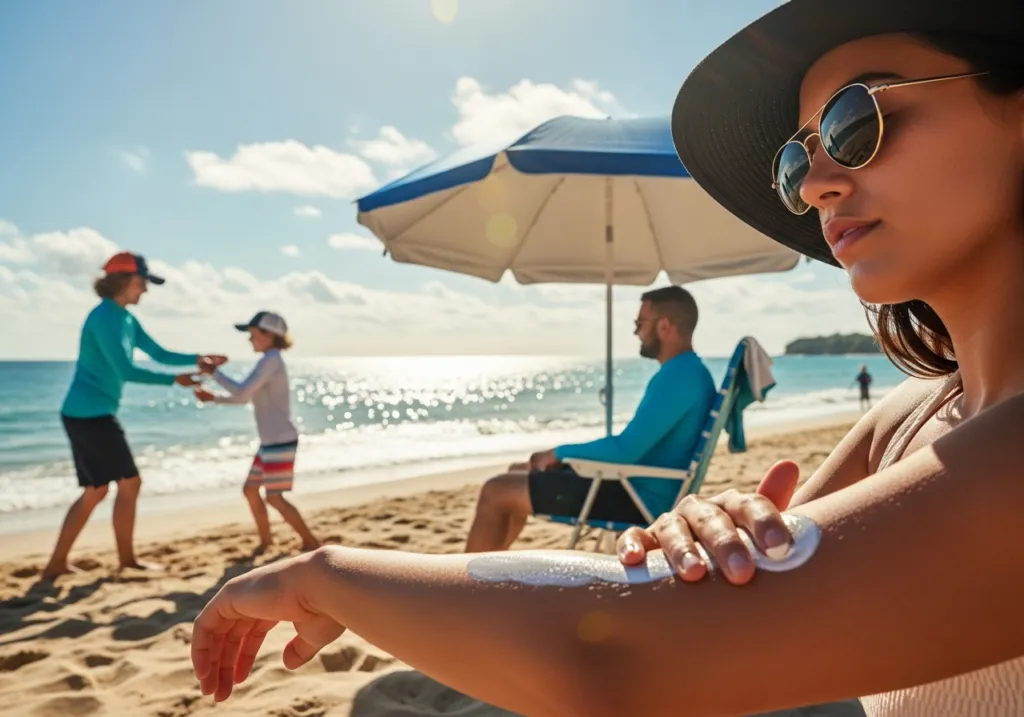
While window tint medical exemptions provide crucial protection during driving, they should be part of a comprehensive UV protection strategy for lupus patients. Understanding how to protect yourself in all situations helps maximize disease control and quality of life.
Daily Sun Protection Essentials
Lupus patients should apply broad-spectrum sunscreen with an SPF of at least 50 (some experts recommend SPF 70 or higher) every day, regardless of weather conditions or whether they plan to go outside. UV radiation penetrates clouds and reflects off surfaces, so protection is necessary even on overcast days. Sunscreen should be applied generously to all exposed skin and reapplied every two hours when outdoors or after sweating or washing.
Protective clothing is equally important. Lupus patients should wear long-sleeved shirts, long pants, and wide-brimmed hats whenever possible when outdoors. Specially designed sun-protective clothing with built-in UPF (Ultraviolet Protection Factor) ratings provides enhanced protection. Dark-colored and tightly-woven fabrics generally offer better UV protection than light-colored or loosely-woven materials. UV-blocking sunglasses that wrap around to protect the sides of the face are essential, as UV exposure to the eyes can also trigger lupus symptoms in some patients.
Environmental Modifications
Lupus patients should also consider UV protection in their home and work environments. UV radiation can penetrate through standard window glass, so applying UV-blocking window film to home and office windows, especially those where you spend significant time, provides additional protection. Using light-filtering window treatments like sheer curtains during peak sunlight hours reduces UV exposure indoors. Arranging furniture so that you’re not sitting directly in sunlight coming through windows helps minimize exposure during indoor activities.
Avoiding outdoor activities during peak UV hours (typically 10 AM to 4 PM during daylight saving time or 9 AM to 3 PM during standard time) is advisable. If outdoor activities are necessary during these hours, seek shade whenever possible and ensure you’re fully protected with sunscreen, clothing, and accessories. Remember that UV radiation reflects off water, sand, snow, and concrete, so exposure can occur even in shaded areas near these reflective surfaces.
Medication Management
Some medications can increase photosensitivity, making UV protection even more critical. Common culprits include certain antibiotics (particularly tetracyclines and fluoroquinolones), some blood pressure medications, certain anti-inflammatory drugs, and even some lupus medications like methotrexate. Lupus patients should discuss all medications with their healthcare providers to understand which might increase photosensitivity.
Conversely, hydroxychloroquine (Plaquenil), a common lupus medication, actually provides some protection against photosensitivity and is often prescribed specifically for this benefit in addition to its general disease-modifying effects. Patients taking hydroxychloroquine still need other forms of UV protection, but may experience somewhat reduced photosensitivity compared to those not taking this medication.
Monitoring and Response
Even with comprehensive protection strategies, lupus patients should remain vigilant for signs of photosensitive reactions. Early warning signs might include new skin redness or rashes, increased fatigue or malaise, developing joint pain or muscle aches, low-grade fever, and worsening of existing lupus symptoms. If you notice these signs after UV exposure, contact your healthcare provider promptly. Early intervention with increased medications or other treatments can often prevent a full-blown flare from developing.
Keeping a symptom diary that tracks your activities, sun exposure, and symptoms can help identify patterns and triggers, allowing you to adjust your protection strategies accordingly. This information is also valuable for your healthcare team in optimizing your treatment plan.
State-Specific Information and Resources
Understanding your specific state’s requirements is essential for successfully obtaining a window tint medical exemption for lupus. While this guide provides general information applicable across states, reviewing your state’s specific regulations ensures compliance and smooth processing.
Finding State-Specific Requirements
Each state’s Department of Motor Vehicles or equivalent agency maintains information about medical exemptions for window tinting. This information is typically available on the state DMV website under sections related to vehicle equipment regulations, window tinting laws, or special permits and exemptions. If the information isn’t readily available online, contacting your state DMV directly by phone can provide clarification.
Key information to look for includes the specific list of qualifying medical conditions (confirm that lupus or photosensitive conditions are listed), required documentation and forms, application procedures and submission methods, associated fees, processing timeframes, permitted VLT percentages with a medical exemption, whether exemptions are person-specific or vehicle-specific, renewal requirements and timeframes, and whether the exemption must be physically displayed in the vehicle or is recorded in a database.
Interstate Travel Considerations
An important consideration for lupus patients with window tint medical exemptions is what happens when traveling to other states. Unfortunately, medical exemptions are generally not recognized reciprocally across state lines. This means that if you have a valid exemption in your home state but travel to another state, that state’s law enforcement may not honor your exemption.
However, most states have provisions that allow visiting vehicles to retain their window tinting as long as it was legal in their home state. If you have documentation showing that your tinting is legal in your home state due to a medical exemption, carrying this documentation when traveling can help explain the situation if you’re stopped. Some states are more lenient than others regarding out-of-state vehicles with tinting that exceeds their standard limits.
For lupus patients who frequently travel or who live near state borders, it’s worth researching the window tinting laws and medical exemption policies in states you regularly visit. If you’ll be spending extended time in another state, you might consider applying for a medical exemption in that state as well if you meet their criteria.
Working with Law Enforcement
Even with a valid medical exemption, lupus patients with tinted windows may occasionally be stopped by law enforcement officers who question whether the tinting is legal. Having your exemption documentation readily accessible in your vehicle is essential. This might be a physical certificate, a letter from your physician and the state approval letter, or vehicle registration documents that note the exemption.
When stopped, be polite and cooperative. Explain that you have a medical condition (lupus) that qualifies you for a window tint exemption and offer to show your documentation. Most officers are familiar with medical exemptions and will simply verify your documentation and allow you to proceed. If an officer is unfamiliar with exemption laws or questions your documentation, remain calm and polite. You might suggest that the officer contact their supervisor or verify the exemption with the DMV.
In rare cases where an officer issues a citation despite valid exemption documentation, you’ll have the opportunity to present your documentation in court, where citations are typically dismissed when proper exemptions are proven. Keeping copies of all your exemption documents, not just originals, ensures you always have backup documentation available.
Financial Considerations and Insurance
Costs Associated with Window Tinting and Exemptions
Obtaining a window tint medical exemption and having tinting installed involves several potential costs. Application fees for the medical exemption vary by state but typically range from $0 to $50. Consultation fees for obtaining medical documentation depend on your healthcare arrangement. If using your regular physician, this might be covered under your existing care or might involve a standard office visit copay. If using a professional certification service, fees typically range from $100 to $300, though many services offer satisfaction guarantees.
The window tinting installation itself is the most significant expense, generally ranging from $200 to $600 for a complete vehicle depending on the vehicle size, number of windows, and quality of film. Premium films that provide maximum UV protection and heat rejection typically cost more but offer better performance and durability. Some installers offer discounts for customers with medical exemptions, recognizing the health necessity rather than cosmetic motivation.
These costs should be viewed as an investment in health and quality of life. For lupus patients, the expense of window tinting is minimal compared to the potential costs of lupus flares, which can include emergency room visits, hospitalization, increased medication needs, lost work time, and decreased quality of life. When framed in this context, the one-time expense of obtaining an exemption and installing quality window tinting represents excellent value.
Insurance Coverage Considerations
Whether health insurance covers any costs related to window tint medical exemptions varies significantly by insurance plan and provider. Most health insurance plans do not cover the window tinting installation itself, as this is considered a vehicle modification rather than a direct medical expense. However, some aspects might be covered or reimbursable.
Physician consultations to obtain medical documentation might be covered under your regular healthcare plan, particularly if the appointment is part of your ongoing lupus management rather than a separate appointment solely for the exemption paperwork. The documentation itself (letters, form completion) typically isn’t separately billable to insurance, though some physicians charge administrative fees for completing forms that insurance may not cover.
Some flexible spending accounts (FSAs) or health savings accounts (HSAs) might allow the use of pre-tax funds for window tinting as a medical expense if you have a letter of medical necessity from your physician. This doesn’t cover the cost but allows you to pay with pre-tax dollars, effectively providing a discount equal to your tax rate. Check with your FSA or HSA administrator to determine if this expense qualifies under your specific plan.
Vehicle insurance typically isn’t involved in medical exemptions or window tinting, though you might inform your auto insurance provider about the tinting, particularly if it’s high-quality film that increases your vehicle’s value slightly. Some insurers appreciate knowing about security features, as window tinting can also provide some theft deterrent and glass safety benefits.
Conclusion
For individuals living with lupus, photosensitivity represents more than just an inconvenience, it’s a serious medical concern that can significantly impact health, safety, and quality of life. The cumulative UV exposure from daily activities, particularly driving, can trigger painful skin lesions, debilitating systemic flares, and increased disease activity that undermines overall health and well-being.
Window tint medical exemptions exist specifically to address this legitimate medical need. By allowing lupus patients to install darker window tinting that exceeds standard legal limits, these exemptions provide essential UV protection during one of the most common daily exposures, time spent in vehicles. This protection is not a luxury or cosmetic choice; it’s a medically necessary accommodation that enables lupus patients to drive safely, maintain independence, continue working, and participate fully in daily life while managing their chronic condition effectively.
The process of obtaining a window tint medical exemption involves several step, consulting with your physician, gathering required documentation, submitting an application to your state DMV, and having professional window tinting installed, but these steps are straightforward and worthwhile. The benefits of enhanced UV protection far outweigh the time and expense involved in the application process.
For lupus patients who experience photosensitivity, pursuing a window tint medical exemption should be considered an essential component of comprehensive disease management, alongside medications, regular medical monitoring, and other protective measures. This proactive step demonstrates self-advocacy and commitment to protecting your health while maintaining the quality of life you deserve.
If you have lupus and experience any degree of photosensitivity, don’t wait until you experience a serious flare triggered by UV exposure during driving. Take action now to obtain the documentation and approvals you need for enhanced UV protection. Specialized medical certification services can help streamline the process, providing expert guidance and professional documentation that meets state requirements across all 50 states.
Your health is too important to leave vulnerable to preventable UV exposure. By taking control and securing appropriate UV protection through window tint medical exemptions, you’re taking an important step toward better disease management, improved quality of life, and the freedom to drive safely without fear of triggering lupus flares. The time to act is now, protect yourself and take charge of your health journey with the tools and accommodations available to you.
Frequently Asked Questions
1. Can I get a window tint medical exemption if I have mild lupus with minimal photosensitivity?
Yes, you can potentially qualify for a window tint medical exemption even with mild lupus, provided you can document some degree of photosensitivity. The severity requirements vary by state, but the key factor is demonstrating that UV exposure affects your health and that enhanced window tinting provides medical benefit. Some lupus patients have mild symptoms most of the time but can still experience severe reactions to UV exposure. Your physician's assessment and recommendation are crucial. If your doctor determines that UV protection through window tinting is medically advisable for your condition, this documentation typically satisfies state requirements regardless of whether your lupus is classified as mild or severe. Remember that photosensitivity can vary over time, and what seems mild now could worsen, so obtaining an exemption proactively is often recommended.
2. How long does the window tint medical exemption application process typically take from start to finish?
The timeline for obtaining a window tint medical exemption varies by state and individual circumstances but generally takes between two to eight weeks from initial physician consultation to receiving approval. The physician consultation and documentation generation usually takes one to two weeks if using your regular doctor, potentially much faster (24-48 hours) if using an online certification service. Once you have all required documentation, application submission and processing by the state DMV typically takes two to six weeks depending on the state and current processing volumes. Some states offer expedited processing for an additional fee. After receiving approval, scheduling and completing the actual window tinting installation usually takes another one to two weeks depending on installer availability. For planning purposes, allowing eight to ten weeks for the entire process from beginning to end ensures you're not rushed, though it can often be completed faster.
3. Do I need to renew my window tint medical exemption, or is it permanent once approved?
Renewal requirements vary significantly by state. Some states issue permanent exemptions that remain valid as long as you have the medical condition and maintain vehicle registration in that state. Other states require periodic renewal, typically every two to five years, to confirm that the medical condition still exists and the exemption remains necessary. A few states tie the exemption to the specific vehicle, requiring a new application if you purchase a different car. When you receive your exemption approval, it should clearly state whether renewal is required and when. If you have a chronic condition like lupus that is lifelong, most states either don't require renewal or have simple renewal processes that don't require going through the entire application again. Set reminders well before any expiration date to ensure continuous coverage. Some states send renewal notices, but don't rely on this, track your own renewal dates.
4. What should I do if I'm pulled over by law enforcement for having tinted windows despite having a valid medical exemption?
If stopped by law enforcement regarding your window tinting, remain calm, polite, and cooperative. Immediately inform the officer that you have a medical condition that qualifies you for a window tint exemption and that you have documentation in the vehicle. Have your exemption certificate, approval letter, or other documentation readily accessible, ideally in your glove box with your registration and insurance documents. Present this documentation to the officer along with your driver's license and registration. Most law enforcement officers are familiar with medical exemptions and will simply verify your documentation and allow you to proceed. Keep copies of all documentation, not just originals, so you always have backup if needed. If traveling out of state, carry documentation from your home state showing the exemption is valid there. In the unlikely event that an officer issues a citation despite valid documentation, you can present your documents in court where citations with proper exemptions are typically dismissed.
5. Can other family members drive my vehicle with medical exemption tinting, or does the exemption only apply when I'm driving?
This depends on whether your state issues person-specific or vehicle-specific exemptions. With a person-specific exemption, the exemption follows you as the patient, meaning the exemption is valid when you are in the vehicle as either a driver or passenger, but technically might not be valid when others drive that vehicle without you present. However, enforcement practices vary, and most states don't restrict who can drive a vehicle with medical exemption tinting. With a vehicle-specific exemption tied to the vehicle's VIN, the tinting is legal on that vehicle regardless of who's driving. Practically speaking, most law enforcement officers don't distinguish. If the vehicle has appropriate exemption documentation or registration notes indicating a medical exemption, they generally don't inquire about who's driving. If you're concerned about family members driving your vehicle, you can keep a copy of your medical documentation in the car explaining the exemption, though this typically isn't necessary. Some households have multiple drivers with lupus or other photosensitive conditions, in which case each family member might want to obtain their own exemption.
What medical conditions require window tint?
Lupus and other photosensitive autoimmune conditions commonly qualify because UV exposure can trigger flares, skin lesions, and systemic symptoms. A licensed physician must document medical necessity on your state's exemption form.
Can a doctor write a letter to excuse you to get window tint?
Yes, in most states. A licensed physician can provide a medical letter or complete state-specific exemption forms certifying that lupus or photosensitivity requires darker window tint for UV protection while driving.
Can my doctor deny my tint exemption request?
Yes. Physicians may decline certification if your lupus diagnosis lacks documentation of photosensitivity or does not meet state eligibility requirements. Exemptions require a legitimate medical evaluation.

Meet the author
Nida Hammad
I am a professional writer with over five years of experience creating clear, engaging, and well-researched content. I specialize in medical window tint exemptions and state compliance topics, helping readers understand tint laws and exemption requirements in simple, easy-to-follow language. Currently, I write for TintedMD, where I focus on producing accurate, trustworthy guides to help drivers navigate the medical tint exemption process with confidence.
Get Your Medical Tint Exemption Online in Minutes
Check Your Eligibility