
Physician Evaluation Expectations
 by Anam Moin
 Last updated:
Medically reviewed by:
Dr. Matthew Reynolds, MD


Most patients walk in blind. They don’t know what the doctor needs to document. They don’t know what questions are coming or what happens if the paperwork gets rejected. No clear physical evaluation expectations. No clarity. Just guesswork.
That guesswork costs you. Incomplete forms. Wasted appointments. Time you don’t get back.
Here’s the truth: the physician evaluation is the single most important step in getting approved. Yet most doctors have never completed this specific certification before. Most patients don’t know what the DMV needs in that letter.
The result?
-
Vague diagnosis language.
-
Missing medical necessity statements.
-
A rejection notice that sends you right back to square one.
This guide walks through precisely what happens during a window tint exemption evaluation. You’ll learn what documentation to bring, what the doctor must include in the certification letter, and how to prepare for your appointment.
We’ll cover common mistakes that lead to DMV rejection, the difference between in-person and telehealth evaluations, and what happens after your doctor completes the paperwork.
If you’re preparing for an evaluation or trying to understand why your previous one didn’t result in approval, this is your complete walk-through of physician evaluation expectations.
What a Physician Evaluation for Window Tint Exemption Actually Covers: Setting the Right Physical Evaluation Expectations
A physician evaluation for window tint exemption confirms your diagnosis and connects it to UV sensitivity while driving. The doctor reviews your medical history, current symptoms, and any prior UV-related reactions.
This evaluation determines the recommended VLT percentage based on your condition severity. The physician must document why a darker tint is medically necessary for driving, not just list a diagnosis name.

The letter must include specific language about photosensitivity. A diagnosis alone won’t pass DMV review. The doctor needs to explain how UV exposure triggers symptoms and why medical-grade tint protects you behind the wheel.
Medical History Review and Diagnosis Confirmation
Your doctor starts by reviewing your complete medical history. This includes your primary diagnosis, when symptoms began, and how they affect daily life. The physician confirms your condition with medical records or prior test results.
The evaluation documents your diagnosis with an ICD-10 code. This code gives the DMV a standardized reference for your condition. For example, lupus is coded as M32.9, while photophobia is coded as H53.14.
Your doctor also reviews any medications you take. Some drugs cause photosensitivity as a side effect. The physician notes these in the evaluation to strengthen your case for a darker tint.
The medical history section must show a clear pattern of UV sensitivity. One-time reactions typically don’t qualify. The doctor looks for repeated episodes triggered by sun exposure.
UV Sensitivity Assessment and Driving Context
The physician assesses how UV radiation affects you specifically while driving. This goes beyond general sun sensitivity. The doctor must explain why using a vehicle poses unique UV exposure risks for your condition.
Your evaluation includes details about symptom triggers.
-
Does morning sun through the windshield cause flares?
-
Do afternoon drives worsen your photophobia?
The doctor documents these specific driving scenarios.
The physician determines the appropriate VLT percentage for your needs. This recommendation considers your condition severity and your state’s minimum VLT floor.
Most states require at least 20% VLT even with a medical exemption.
According to Tennessee window tint exemption procedures, the physician must explain why standard tint levels don’t provide adequate protection. The letter needs to state that medical-grade tint prevents UV-triggered symptom exacerbation during vehicle use.
The doctor also notes whether your need is permanent or temporary. Chronic conditions like lupus typically warrant permanent exemptions. Drug-induced photosensitivity might require only a time-limited certification.
Documentation Requirements the DMV Will Review
The DMV requires specific elements in your physician’s letter. Missing any of these causes rejection. The letter must include the doctor’s full printed name, state medical license number, practice address, and clear signature.
The physician must state the recommended VLT percentage. This number needs to fall within your state’s allowable range. The letter should also specify which windows require tint: front side windows, rear windows, or both.
The evaluation must include medical necessity language. The doctor needs to write that darker tint is medically necessary to prevent UV-triggered symptoms while driving. This connects your diagnosis directly to vehicle use.
Some states require the letter on official letterhead. Others accept plain documentation as long as all credential details appear. Check your state’s specific requirements before the appointment.
The physician should date the letter and note the duration of need. Permanent conditions warrant ongoing exemptions. Temporary photosensitivity might need only a one-year certification with possible renewal.
How to Prepare for Your Physician Evaluation Appointment: Physical Evaluation Expectations to Know Beforehand
Walking into a physician evaluation for a window tint exemption without the right paperwork wastes time. You need specific documents, answers, and state forms ready before the appointment. Most rejections happen because patients show up unprepared, not because they don’t qualify.
Here’s what to bring and what to expect during your medical tint exemption doctor appointment.
Medical Records and Documentation to Bring
Your physician needs proof of your condition. Bring any prior diagnosis records that confirm your photosensitive condition. Lab results showing UV sensitivity, specialist notes from dermatologists or rheumatologists, and prescription records for photosensitive medications all help.
If you have lupus, bring documentation of your SLE diagnosis. For photophobia, bring ophthalmology records. For melanoma history, bring pathology reports. The more specific your records, the easier it is for the doctor to write a detailed certification letter.
Also bring a list of all medications you currently take. Many drugs cause photosensitivity as a side effect. According to Georgia’s medical exemption requirements, physicians must document how your condition creates a medical need for a Texas medical evaluation rules require doctors to hold an active license. They must have it in the state where they file darker tint while driving.
Your medication list supports that documentation.
Don’t forget your vehicle information. You’ll need your VIN, make, model, and year. Some states tie the exemption to a specific vehicle, so this information goes directly on the form.
Questions the Physician Will Ask During Evaluation
The doctor will ask how sunlight affects you while driving. Be specific. Do you get skin rashes? Severe headaches? Eye pain? Fatigue that makes driving unsafe? The more detail you provide, the stronger your certification letter becomes.
Expect questions about when symptoms occur. Do they happen during short drives or only on long trips? Do they worsen at certain times of day? Does sunlight through car windows trigger flares even when you’re not outside?
The physician will also ask about your current sun protection methods. Do you wear sunscreen? Long sleeves? Sunglasses? Have these measures been enough, or do you still experience symptoms while driving? Your answers show why standard protection isn’t sufficient and why you need a window tint exemption evaluation.
The doctor may ask about your driving habits. How often do you drive? What times of day? Do you drive for work? These details help the doctor explain why darker tint is medically necessary for your daily life.
State-Specific Form Requirements to Discuss
Download your state’s current exemption form before the appointment. Print it and bring it with you. The physician needs to complete this exact form, not write a generic letter.
Know your state’s minimum VLT floor. Most states allow medical exemptions down to 20% VLT, but some go darker and others have higher minimums. The doctor must recommend a percentage at or above your state’s floor, or the DMV will reject the form.
Ask the physician to include your ICD-10 diagnosis code on the letter. Many states require this for approval. The code proves your condition is real and documented in medical records.
Confirm the doctor’s state license number will appear on the form. Some states require the doctor to hold a license in your state. If you’re using a telehealth provider like Tinted MD, the platform matches you with a physician licensed in your state automatically.
Finally, discuss how long the exemption lasts. Some states issue one-year certifications. Others allow three years or longer. The physician needs to state the duration on the form based on whether your condition is permanent or temporary.
What the Physician Must Document: Physical Evaluation Expectations for Your Exemption Letter
Your exemption letter is the core of your application. The DMV reviews it to confirm your medical need is real and specific. A vague letter gets rejected. A detailed letter that connects your diagnosis to UV exposure while driving gets approved. The difference comes down to what your doctor writes and how they write it.
Most doctors write standard clinical notes. The DMV needs vehicle-context paperwork. That gap causes most rejections. Here’s what the letter must include to pass review.
Required Medical Necessity Language for DMV Approval
The letter must state that UV exposure triggers or worsens your condition. This is not optional. The DMV cannot assume that lupus means UV sensitivity. Your doctor must spell it out explicitly.

A letter that says ‘Patient has lupus and should avoid sun exposure’ is too vague. It doesn’t connect the diagnosis to driving. It doesn’t explain why darker tint is medically necessary for vehicle use.
A complete letter states your diagnosis with the ICD-10 code. It explains how UV radiation triggers your symptoms. It connects that trigger to the specific need for darker tint while driving. According to the Massachusetts tinted glass waiver process, the physician must certify that the applicant has a medical condition requiring protection from sunlight.
Here’s what strong medical necessity language looks like:
-
Names your specific diagnosis (not just ‘photosensitivity’)
-
States that UV exposure directly triggers disease flares or symptoms
-
Explains why standard window tint is not enough
-
Connects the medical need to vehicle use specifically
-
Uses clinical language the DMV recognizes as valid
The doctor must also state whether your need is permanent or time-limited. Chronic conditions like lupus or albinism are permanent. Drug-induced photosensitivity may be temporary. The DMV needs to know which applies to you.
ICD-10 Codes and Diagnosis Specificity Standards
ICD-10 codes add diagnostic specificity. They confirm your condition is real and documented. Not all states require them, but including one strengthens your application in every state.
An ICD-10 code is a standardized medical classification code. It identifies your specific diagnosis in a format the DMV recognizes. For example, systemic lupus erythematosus is M32.9. Albinism is E70.3. Photophobia is H53.14.
When your doctor includes the ICD-10 code, the DMV can verify your diagnosis matches a qualifying condition. It removes ambiguity. It shows the letter came from a real medical evaluation, not a favor for a friend.
Here’s what diagnosis specificity means in practice:
-
The doctor names your exact condition, not a general category
-
The ICD-10 code appears in the letter alongside the diagnosis name
-
The letter explains how your specific condition causes UV sensitivity
-
The doctor connects your diagnosis to the need for a darker tint
Tinted MD physicians include ICD-10 codes in every exemption letter. This is standard practice on the platform. It’s one reason the approval rate is so high.
VLT Recommendation and Duration of Need
The doctor must recommend a specific VLT percentage. VLT stands for Visible Light Transmission. It measures how much light passes through the window. Lower VLT means darker tint.
A letter that says ‘patient needs darker tint’ is not specific enough. The DMV needs a number. Most states allow exemptions down to 20% VLT on front windows. Some allow darker. A few set the floor at 35% VLT even with an exemption.
Your doctor must know your state’s minimum VLT floor before writing the recommendation. If they request 5% VLT in a state with a 20% minimum, your form gets rejected or adjusted. The recommendation must be above the state’s absolute minimum.
The letter must also state the duration of need. Is your condition permanent or temporary? Chronic conditions like lupus, albinism, or melanoma history are permanent. Drug-induced photosensitivity may last only as long as you take the medication.
Here’s what a complete VLT recommendation includes:
-
A specific percentage (e.g., 20% VLT, not ‘as dark as possible’)
-
Confirmation the percentage is above your state’s minimum floor
-
A statement of whether the need is permanent or time-limited
-
If temporary, an estimated duration or end date
The doctor must also include their credentials. That means their full printed name, state medical license number, practice address, and a clear signature. Missing any of these causes rejection.
Most family doctors are not familiar with these requirements. They write what they think the DMV needs, not what the DMV actually requires. That’s why working with a physician who understands the process saves time and avoids rejection.
Common Physician Evaluation Mistakes That Lead to DMV Rejection
Most window tint exemption evaluation rejections happen because doctors write standard clinical notes instead of DMV-specific certification language. The DMV needs precise, vehicle-context documentation that connects your diagnosis to UV sensitivity while driving.
Understanding physician evaluation expectations helps you avoid the three most common documentation errors. Each mistake is fixable. But catching them before submission saves weeks of reprocessing time.
Vague Clinical Notes vs. DMV-Compliant Certification Language
The number one reason for rejection is diagnosis language that doesn’t connect your condition to driving. A doctor might write ‘Patient has lupus and should limit sun exposure.’ That’s a valid clinical note. But it doesn’t tell the DMV why you need darker tint in your vehicle.
DMV-compliant language looks different. It states your diagnosis with the ICD-10 code. It explains how UV radiation triggers your specific symptoms. It connects those symptoms to the act of driving. Then it recommends a specific VLT percentage as medically necessary.
Most physicians have never written a medical tint exemption doctor appointment letter before. They default to standard clinical documentation. Tinted MD physicians understand this distinction and complete certifications with the specific language each state requires.
Missing Credentials and Signature Requirements
Missing or illegible physician signatures are the single most common rejection reason across all states. The DMV must verify that a licensed medical professional signed your certification. If they can’t read the signature, can’t find the license number, or can’t verify the physician’s contact information, your form gets returned.
Every physician certification must include these elements:
-
Full printed name of the physician
-
State medical license number
-
Practice address and phone number
-
Clear, legible signature
-
Date of evaluation
A rushed signature or missing license number means starting over. You’ll need to go back to the physician for a corrected letter. This adds two to four weeks to your timeline.
Some states have additional credential requirements.
According to the Texas medical evaluation licensing standards, physicians must hold an active license in the state where the exemption is filed. Check your state’s specific rules before scheduling your window tint exemption evaluation.
Out-of-State Licensure and Telehealth Provider Issues
Many states require the signing physician to hold an active license in your state. A letter from an out-of-state specialist won’t satisfy this requirement. Neither will certification from a telehealth window tint evaluation provider licensed only in another state.
This creates problems for patients who see specialists in neighboring states. Your rheumatologist might be the best lupus expert in the region. But if they’re licensed in a different state, their letter may not be valid for your DMV medical exemption evaluation process.
Telehealth providers must hold active licensure in your state. A California-licensed physician can’t complete a valid certification for a Texas resident. The license must match the state where you’re applying.
Tinted MD solves this by working with physicians licensed in each state it serves. When you complete the eligibility check, the platform matches you with a locally licensed provider who understands your state’s specific requirements.
Using outdated medical records creates another common rejection. A diagnosis letter from three years ago doesn’t meet current evaluation standards. Most states require documentation dated within the past 12 months. Some require evaluation within 90 days of application.
Check your state’s specific timeframe requirements before gathering paperwork. Fresh documentation from a current evaluation prevents this rejection reason entirely.
In-Person vs. Telehealth Evaluations: What’s the Difference
Both in-person and telehealth evaluations follow the same medical standards for window tint exemption certifications. The difference is where the consultation happens. In-person means visiting a doctor’s office. Telehealth means connecting with a licensed physician remotely through video or phone.
Most states accept both formats. The physician must still complete a full medical history review. They assess your symptoms and confirm your diagnosis. They document why a darker tint is medically necessary for your condition. The evaluation process is identical. Only the location changes.
When Telehealth Evaluations Are Accepted by State DMVs
Most states accept telehealth evaluations. The physician must hold a license in that state. The DMV does not care where the consultation happened. They care that a licensed doctor completed the certification correctly.
According to telehealth window tint prescriptions, remote evaluations are accepted in nearly every state that offers medical exemptions. The physician must hold an active license in your state. That’s the only geographic requirement.
Some states have specific telehealth rules. But for window tint exemptions, the standard is simple. A licensed doctor reviews your case. They confirm your qualifying condition. They complete the certification paperwork. The DMV processes it the same way they would an in-person letter.
Documentation Standards for Remote Physician Consultations
Telehealth evaluations follow the same documentation standards as in-person appointments. The physician must include their full name, state medical license number, practice address, and signature. The letter must state your diagnosis with the ICD-10 code. It must explain why darker tint is medically necessary for your condition.

Digital signatures are accepted in most states if the letter is on official letterhead. The DMV needs to verify the physician’s credentials. As long as the letter includes all required elements, the signature format does not matter.
Remote evaluations are faster and eliminate the need for multiple in-person appointments. You complete an intake form online. A licensed physician reviews your information. They schedule a brief telehealth consultation. You receive your completed certification the same day.
The physician must still complete a full medical history review and symptom assessment remotely. They ask about your diagnosis, your symptoms, and how sunlight affects you. They confirm that your condition qualifies under your state’s rules. They document everything in the certification letter.
This is the same process an in-person doctor would follow. The only difference is you do not drive to an office. You connect from home. The paperwork is delivered digitally. And you submit it to the DMV the same way you would with an in-person letter.
What Happens After Your Physician Completes the Evaluation
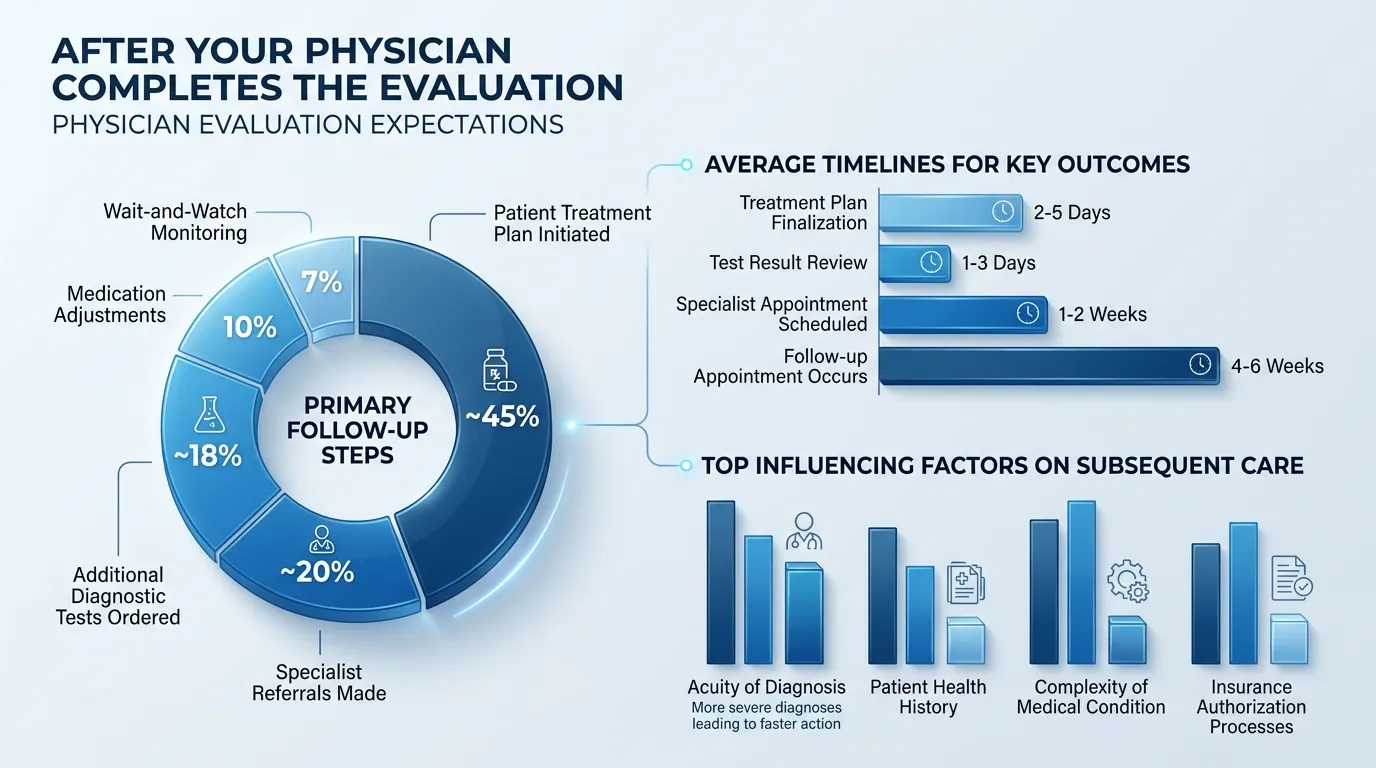
Once your doctor finishes the evaluation, the real work begins. You’ll need to handle paperwork and wait for state approval.
Receiving Your Signed Certification Letter
Your physician provides a signed letter on official letterhead. This document includes your diagnosis, the medical reason for tint exemption, and their professional recommendation.
The letter must contain specific details. These include your full name, date of birth, and driver’s license number. It also lists the percentage of tint darkness your condition requires.
Most doctors print the letter on clinic letterhead with their medical license number. Some states require notarization, so ask your physician about this step. Keep the original in a safe place you’ll need it for your application.
Submitting Your Exemption Application to the DMV
You submit the physician’s letter along with your state’s exemption form. You’ll also need your vehicle registration and a copy of your driver’s license.
Each state has different forms. Download yours from your DMV’s website or pick one up in person. Fill out every field completely to avoid processing delays.
Some states accept online submissions. Others require you to mail documents or visit a DMV office. Check your state’s specific requirements before you start.
Processing Times and Follow-Up Steps
Most states process exemption applications within 2 to 6 weeks. California typically takes 4 weeks, while Texas averages 3 weeks.
Some states issue a formal permit or sticker for your windshield. Others require you to carry the letter in your vehicle at all times. Store it in your glovebox where officers can easily find it.
If the DMV requests additional information, respond immediately. Delays in your response extend the approval timeline. Keep copies of all submitted paperwork for your records and as backup documentation.
Conclusion
Your physician evaluation determines whether you get approved or rejected. The doctor must document your diagnosis, explain UV sensitivity while driving, and write the specific language your DMV requires. Most rejections happen because physicians write standard clinical notes instead of vehicle-context certifications.
Preparing the right documents makes your appointment faster. Bring your diagnosis records, current medications, and your state’s exemption form. Know what your DMV needs before you walk in. This saves time and prevents rejections.
The evaluation itself is quick when you work with a doctor who understands the process. They’ll review your condition, confirm UV sensitivity, and complete the certification letter. After that, you submit everything to your DMV and wait for approval.
Understanding physician evaluation expectations helps you avoid common mistakes. You’ll know what documentation to bring, what the doctor needs to write, and how to handle the DMV medical exemption evaluation process correctly. This preparation makes the difference between approval and starting over.
We connect you with licensed physicians who complete state-compliant window tint exemption paperwork the first time. Same-day delivery, money-back guarantee, and over 100,000 patients helped.
Check your eligibility to get started today.
Frequently Asked Questions
What does a physician evaluation for window tint exemption actually confirm?
The evaluation confirms your diagnosis and connects it to UV sensitivity while driving. Your doctor reviews your medical history, current symptoms, and any prior UV-related reactions. The physician determines the recommended VLT percentage based on your condition severity. The doctor must document why darker tint is medically necessary for driving, not just list a diagnosis name. The letter needs specific language about photosensitivity because a diagnosis alone won't pass DMV review.
Why do most physician evaluations get rejected by the DMV?
Most rejections happen because doctors use vague diagnosis language without medical necessity statements. The physician must explain how UV exposure triggers symptoms and why medical-grade tint protects you behind the wheel. Many doctors have never completed this specific certification before and don't know what information the DMV needs. Missing details about driving context or photosensitivity patterns lead to incomplete forms. The result sends you back to square one with rejection notices.
What medical history details must the doctor include in the evaluation?
Your doctor reviews your complete medical history, including your primary diagnosis, when symptoms began, and how they affect daily life. The physician confirms your condition with medical records or prior test results. The evaluation documents your diagnosis with an ICD-10 code that gives the DMV a standardized reference. Your doctor also reviews any medications you take because some drugs cause photosensitivity as a side effect. The medical history must show a clear pattern of UV sensitivity, not just one-time reactions.
How does the physician assess UV sensitivity specifically for driving?
The physician assesses how UV radiation affects you specifically while driving, not just general sun sensitivity. Your doctor must explain why vehicle use creates unique UV exposure risks for your condition. The evaluation includes details about symptom triggers like morning sun through the windshield or afternoon drives that worsen photophobia. The doctor documents these specific driving scenarios. The physician also determines the appropriate VLT percentage for your needs based on your condition severity and your state's minimum VLT floor.
What documentation should I bring to my physician evaluation appointment?
You should bring medical records that confirm your diagnosis and any prior test results. Bring a list of current medications because some drugs cause photosensitivity as a side effect. Document any prior UV-related reactions or symptom flares triggered by sun exposure. If you've had repeated episodes triggered by driving, bring notes about when and how these occurred. This documentation helps your doctor show a clear pattern of UV sensitivity rather than isolated incidents.
What specific language must the physician include about medical necessity?
The physician must explain why standard tint levels don't provide adequate protection for your condition. The letter needs to state that medical-grade tint prevents UV-triggered symptom exacerbation during vehicle use. The doctor must connect your diagnosis to photosensitivity with specific details about how UV exposure triggers symptoms. The evaluation should explain why darker tint is medically necessary for driving, not just beneficial. The physician also notes whether your need is permanent or temporary based on your chronic condition status.

Meet the author
Anam Moin
I’m Anam Moin, a health-focused writer at TintedMD. I write about medical window tint exemptions, light-sensitive conditions, and state tint regulations, bringing together health and regulatory information in a reader-friendly way.
Get Your Medical Tint Exemption Online in Minutes
Check Your Eligibility