
Medication Photosensitivity
 by Nida Hammad
Last updated:
Medically reviewed by:
Dr. Matthew Reynolds, MD


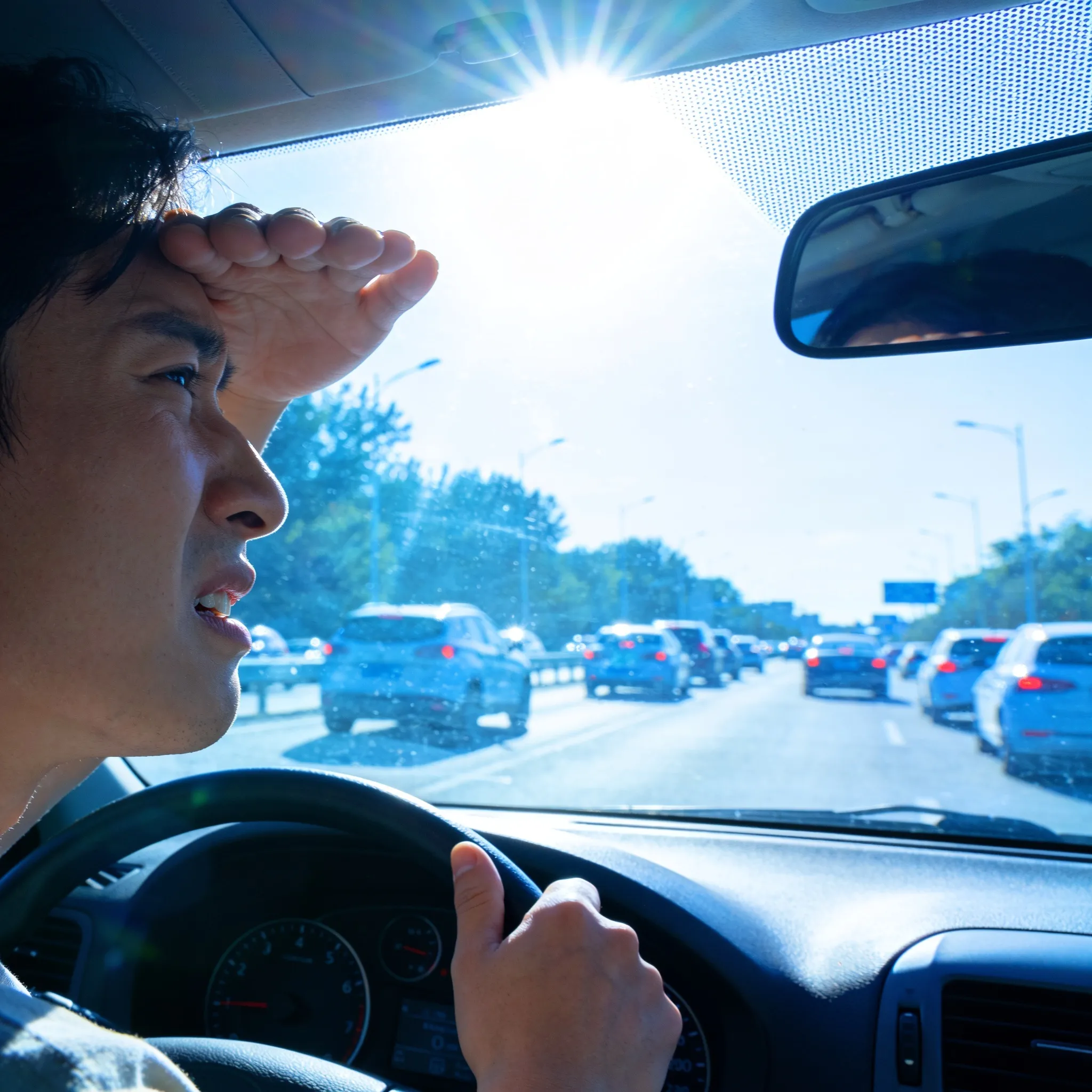
Millions of people take drugs that make sunlight a health threat. These drugs cause medication photosensitivity. This condition makes your skin react severely to UV rays. Even brief sun exposure through car windows can cause painful burns and lasting damage. For people on photosensitizing medications, driving becomes a health risk without proper protection.
Some medications make your skin extra sensitive to sun. These include antibiotics, blood pressure pills, and anti-inflammatory drugs. Even a short 15-minute drive can cause severe sunburn-like reactions. Regular car windows don’t block enough UV rays.
This guide explains how to get a medical exemption for window tint. You’ll learn which drugs cause sun sensitivity and what signs to watch for. We’ll show you how to apply for an exemption and explain tinting laws by state. You’ll also find the best tint levels and other ways to protect yourself from UV rays. When you understand how your medication affects your skin, you can stay safer on the road.
What Is Medication Photosensitivity?
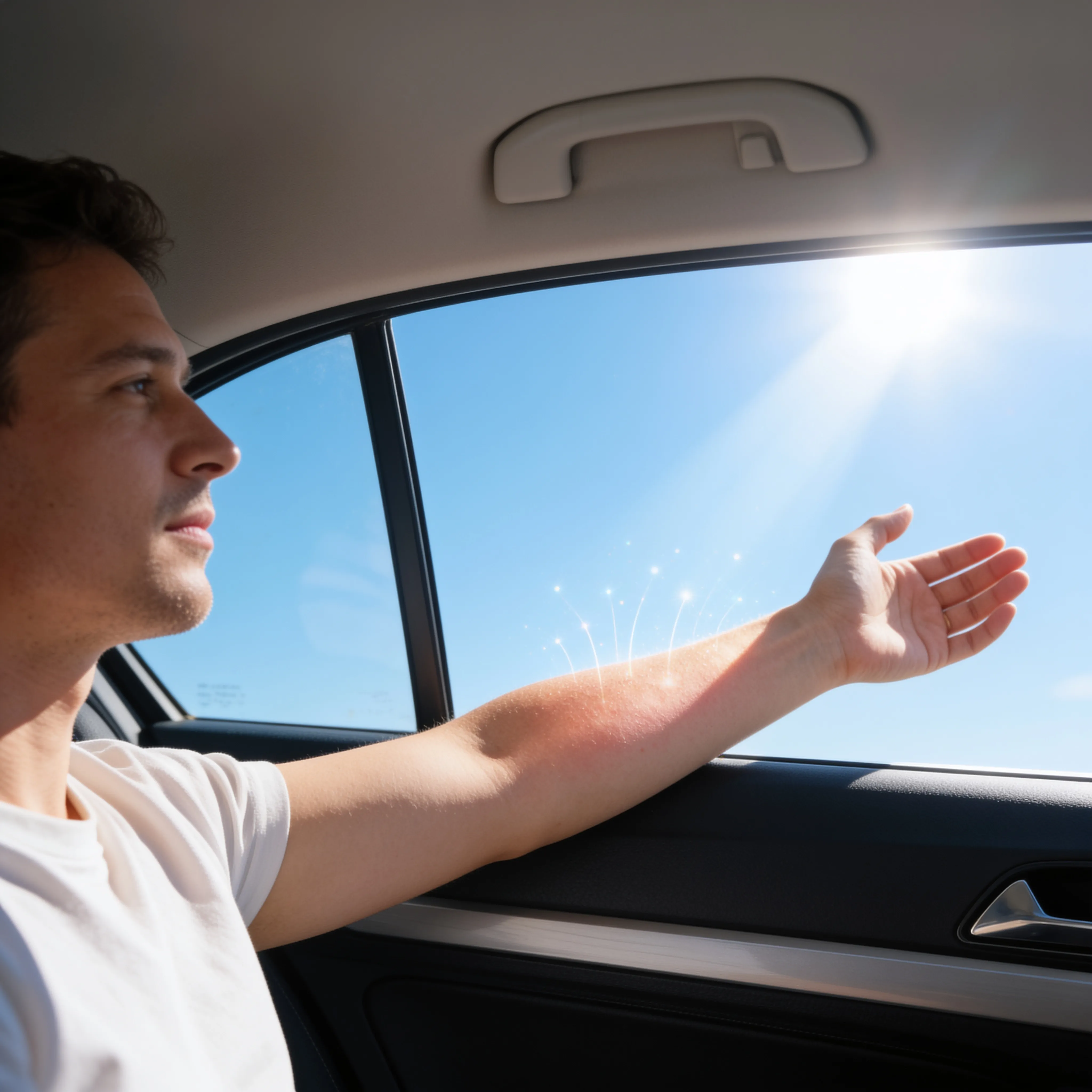
Some drugs make your skin react oddly to sunlight or UV rays. This odd skin reaction is medication photosensitivity. This condition affects how your body responds to light exposure. It can turn a routine drive into a painful experience.
When you take photosensitizing medications, chemical compounds in the drug absorb UV energy. This triggers reactions in your skin cells. The result ranges from mild redness to severe burns, even with minimal sun exposure.
The Science Behind Drug-Induced Sun Sensitivity
Understanding drug-induced photosensitivity mechanisms helps explain why some medications cause these reactions. Drugs enter your bloodstream and reach skin cells. When UV light hits your skin, these compounds absorb the energy and become chemically unstable.
This instability creates free radicals that damage cell membranes and DNA. Your immune system responds to this damage, causing inflammation. This process differs from a normal sunburn because the drug dramatically amplifies UV effects.
Common photosensitizing medications include:
-
Antibiotics like tetracyclines and fluoroquinolones
-
Nonsteroidal anti-inflammatory drugs (NSAIDs)
-
Diuretics used for blood pressure control
-
Antidepressants and antipsychotics
-
Diabetes medications like sulfonylureas
Phototoxic vs. Photoallergic Reactions
Two distinct types of reactions occur with medication photosensitivity. Each follows different biological pathways and produces different symptoms.
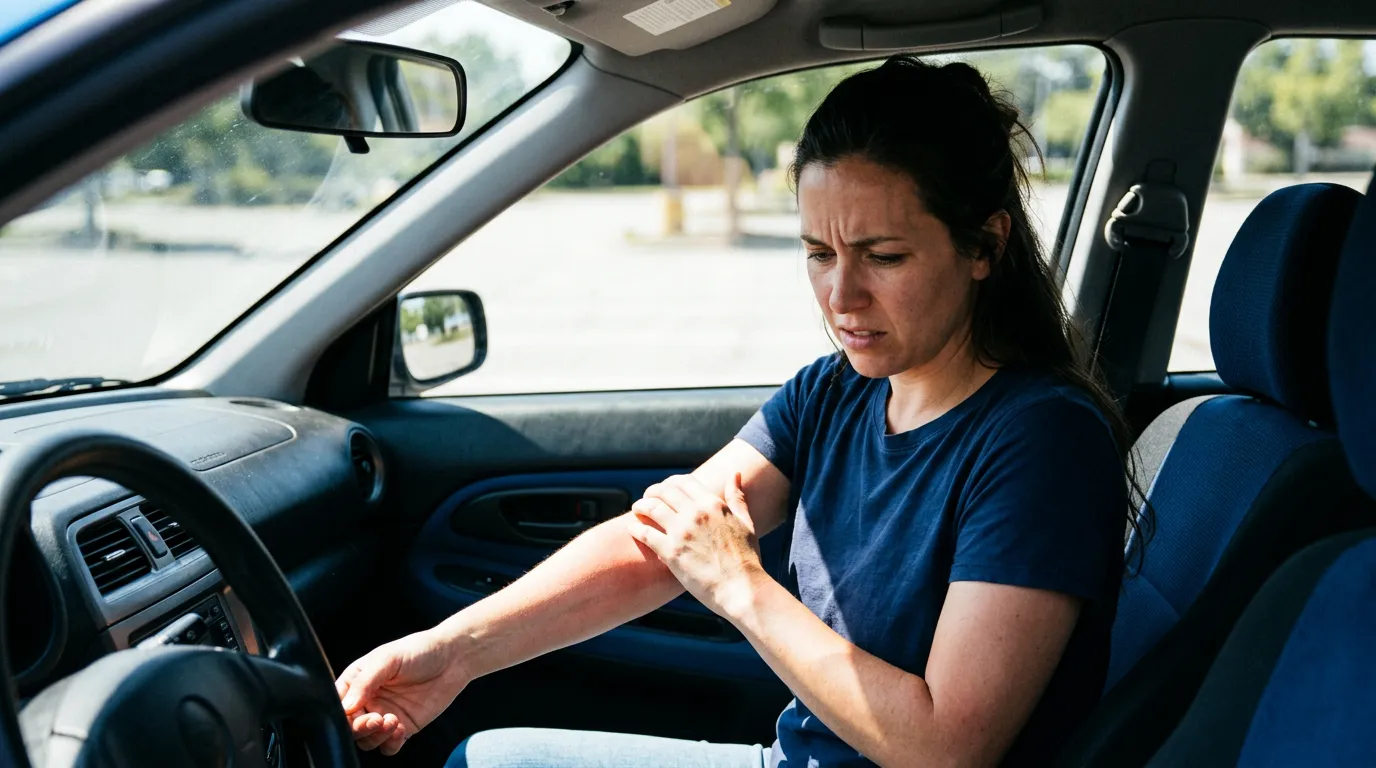
Phototoxic reactions happen immediately after sun exposure. They’re dose-dependent, meaning higher drug doses cause worse reactions. Your skin develops a severe sunburn-like response within hours. This type affects anyone taking the medication at sufficient doses.
The reaction occurs because drug molecules absorb UV energy directly. This creates reactive oxygen species that damage skin tissue. You’ll see redness, swelling, and sometimes blistering in sun-exposed areas.
Photoallergic reactions involve your immune system. They develop 24-72 hours after sun exposure. These reactions resemble eczema more than sunburn. You’ll notice itchy, red patches that may spread beyond sun-exposed areas.
This type requires prior sensitization. Your immune system must first recognize the drug-UV combination as a threat. Only some people develop photoallergic reactions, regardless of dose.
How Common Is Medication Photosensitivity?
Over 300 medications can cause photosensitivity reactions. About 8% of adverse drug reactions involve light sensitivity. This condition affects people of all ages, though some groups face higher risk. Taking multiple medications at once increases your exposure risk. People with fair skin often experience worse reactions because they have less natural melanin for protection. Standard car windows block most UVB radiation but let 50-70% of UVA rays through.
This matters because many photosensitizing drugs react mainly to UVA wavelengths. Regular driving exposes you to enough UVA to trigger reactions, especially during peak sunlight hours. That’s why medical window tint exemptions for light sensitivity are so helpful for affected individuals. Window tinting blocks both UVA and UVB radiation, providing protection during vehicle travel.
The wavelength-specific nature of these reactions matters. UVA penetrates deeper into skin than UVB. It passes through regular glass easily. Most phototoxic reactions respond to UVA wavelengths between 320 and 400 nanometers.
This explains why you can develop reactions even inside your car. Standard automotive glass doesn’t provide adequate protection. Medical-grade window tinting blocks 99% of UV radiation, reducing your risk during daily commutes and travel.
Common Medications That Cause Photosensitivity
Medication photosensitivity affects millions of people who take common prescriptions. Many drugs increase your skin’s reaction to sunlight. This can lead to severe burns, rashes, and long-term damage. Understanding which medications cause these reactions helps you protect yourself.
According to the FDA, drug-induced photosensitivity occurs in two forms. Phototoxic reactions happen when UV light activates chemicals in the medication. Photoallergic reactions involve your immune system responding to sun-altered drug compounds. Both types require extra sun protection, including window tint medical exemption for safe driving.
Antibiotics and Antimicrobials
Tetracycline antibiotics are common medications that make skin sensitive to sun. Doxycycline and minocycline cause painful burns in many patients. Doctors prescribe these drugs for acne, respiratory infections, and Lyme disease. Even short sun exposure can trigger severe reactions.
Fluoroquinolones also increase sun sensitivity. Ciprofloxacin and levofloxacin treat urinary tract infections and pneumonia. These antibiotics can cause severe skin reactions within minutes of sun exposure. The reaction may last for weeks after you stop taking the medication.
Other antimicrobials that cause photosensitivity include:
-
Sulfamethoxazole (found in Bactrim)
-
Trimethoprim combinations
-
Voriconazole and other antifungal medications
-
Isoniazid for tuberculosis treatment
Cardiovascular and Blood Pressure Medications
Thiazide diuretics are widely prescribed for high blood pressure and heart failure. Hydrochlorothiazide causes photosensitivity in up to 20% of users. The reaction can occur even with low doses. Chlorthalidone and indapamide carry similar risks.
ACE inhibitors like enalapril and lisinopril may increase sun sensitivity. These drugs help control blood pressure and protect kidney function. While less common than diuretics, they still warrant caution in bright sunlight.
Statins used for cholesterol management can also cause photosensitivity. Simvastatin and atorvastatin occasionally trigger skin reactions. According toskin cancer foundation, these drugs cause the skin to react to the sun. You need more UV block when you take them.
Psychiatric and Neurological Drugs
Some antidepressants make your skin more sensitive to sunlight. SSRIs like sertraline and fluoxetine can cause this. Tricyclic antidepressants such as amitriptyline and nortriptyline carry higher risks. These drugs treat depression, anxiety, and chronic pain.
Antipsychotic medications often cause sun-sensitive reactions too. Chlorpromazine and perphenazine are especially problematic. Newer antipsychotics like quetiapine also increase sun sensitivity. If you take these drugs, protect your skin from the sun.
Anticonvulsants used for seizures and nerve pain can trigger reactions as well. Carbamazepine and lamotrigine both make you more sun-sensitive. These effects may develop slowly over weeks of treatment.
Diabetes Medications and NSAIDs
Sulfonylureas are common diabetes medications that cause photosensitivity. Glipizide and glyburide help control blood sugar but increase sun reaction risk. Patients often don’t realize their diabetes medication affects sun tolerance.
NSAIDs available over-the-counter can cause unexpected reactions. Ibuprofen and naproxen increase photosensitivity in some users. Ketoprofen poses particularly high risks. Even topical NSAIDs applied to the skin can trigger severe burns when exposed to sunlight.
Other diabetes drugs that may cause reactions include:
-
Metformin (rare but documented cases)
-
Certain insulin formulations
-
Newer SGLT2 inhibitors in some patients
Other High-Risk Drug Categories
Retinoids for acne and skin conditions make your skin very sun-sensitive. Isotretinoin (Accutane) and tretinoin require strict sun avoidance. They thin your outer skin layer, making UV damage worse. Chemotherapy agents often increase sun sensitivity. Fluorouracil, methotrexate, and dacarbazine all cause this. Cancer patients need extra protection during and after treatment. Over-the-counter medications can trigger reactions too.
Antihistamines like diphenhydramine may increase sun sensitivity. Some herbal supplements, like St. John’s Wort, cause photosensitivity. Always check labels and ask your pharmacist about sun risks.
Tinted MD helps patients get a window tint exemption when these medications make driving uncomfortable.
Darker window tints block more UV and reduce light exposure. This protection matters when medications increase your sun sensitivity.
Medical Complications That Justify Window Tint Exemptions
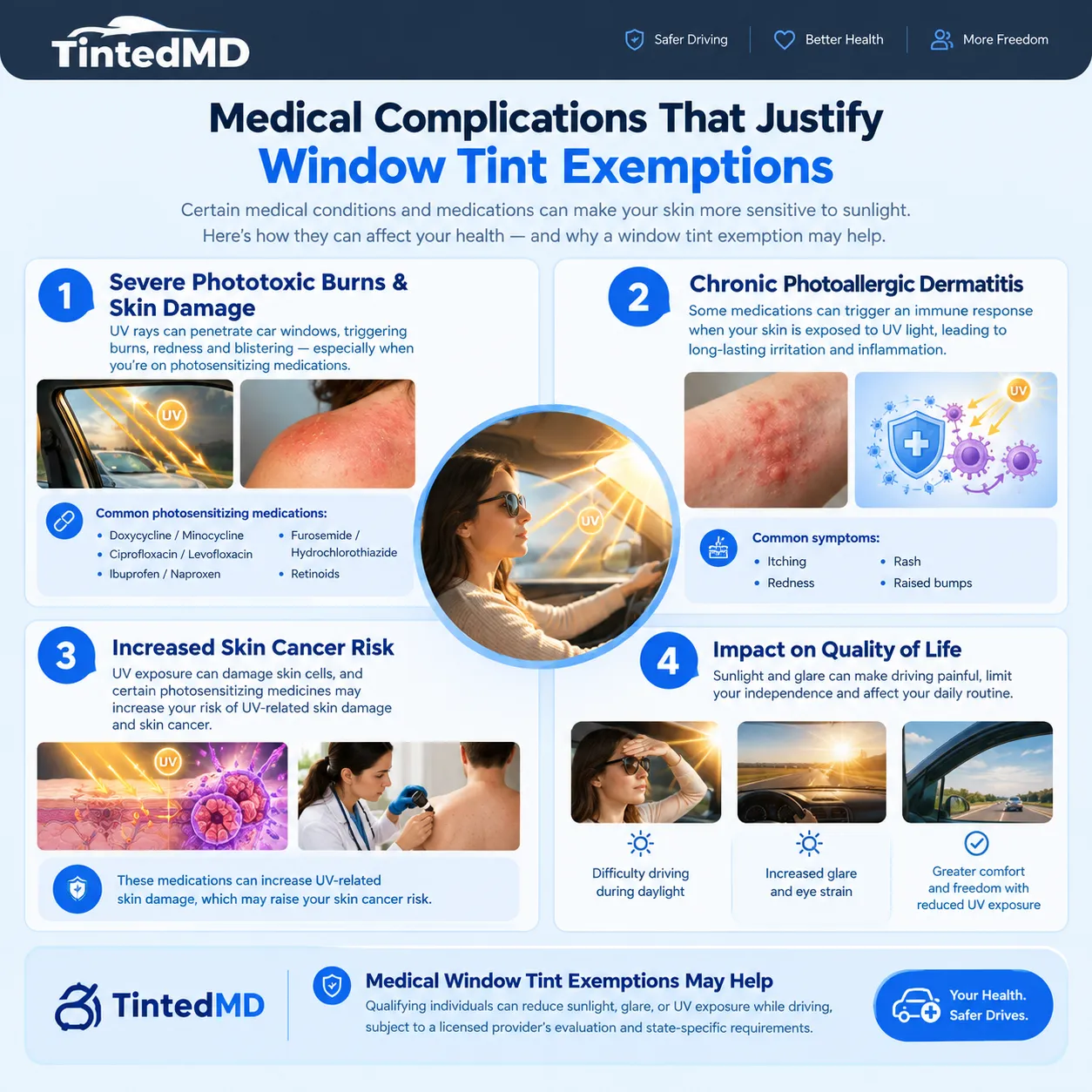
Medication photosensitivity creates serious medical complications that go beyond simple discomfort. These reactions cause harm that lasts. They make driving and other tasks risky. Proper protection stops this danger.
Severe Phototoxic Burns and Skin Damage
Photosensitizing drugs absorb UV light. They release energy that harms skin cells. This causes phototoxic drug reactions. This process can cause severe burns within minutes of sun exposure.
The burns resemble serious sunburns but develop much faster. Redness, swelling, and blistering appear after just 15-30 minutes in sunlight. Even brief exposure through car windows during commutes can trigger these reactions.
Common medications that cause phototoxic reactions include:
-
Tetracycline antibiotics (doxycycline, minocycline)
-
Fluoroquinolone antibiotics (ciprofloxacin, levofloxacin)
-
Nonsteroidal anti-inflammatory drugs (ibuprofen, naproxen)
-
Diuretics (furosemide, hydrochlorothiazide)
-
Retinoids for acne treatment
The damage extends beyond the surface. UV radiation penetrates deep into skin tissue when combined with these drugs. This creates cellular damage that can lead to permanent scarring and pigmentation changes.
Chronic Photoallergic Dermatitis
Photoallergic reactions involve your immune system and can persist long after you stop the medication. When exposed to UV light, the drug changes chemically. Your immune system treats these new compounds as threats. This triggers an allergic response with itching, redness, and raised bumps. Unlike phototoxic reactions, photoallergic dermatitis spreads beyond areas exposed to the sun. The rash can appear on covered skin as your immune response spreads. Medical treatment with topical or oral corticosteroids is often needed.
Some people develop persistent light reactivity. Sun exposure continues to trigger reactions even after stopping the medication. This chronic condition makes UV protection through window tinting medically necessary.
Increased Skin Cancer Risk
Some medications make skin more sensitive to UV rays. When people take these drugs and spend time in the sun, UV damage to skin cells increases. This damage can lead to cancer. Research shows that people taking certain photosensitizing medications have a higher cancer risk.
Voriconazole, an antifungal drug, raises the risk of squamous cell carcinoma. Hydrochlorothiazide, used to treat high blood pressure, increases the risk of basal cell and squamous cell carcinomas. The total amount of exposure matters.
Taking sun-sensitive medications for years while driving or commuting adds up over time. Each sun exposure damages more cells and raises cancer risk. Window tint can help reduce UV exposure during car travel.
Impact on Quality of Life and Daily Function
Medication photosensitivity severely limits daily activities. People avoid driving during daylight hours or skip necessary trips. This isolation affects work, social connections, and mental health.
The pain and discomfort from reactions make driving unsafe. Burning skin distracts drivers and impairs their ability to focus on the road. Severe reactions can cause vision problems if facial swelling affects the eyes.
Many people must choose between taking needed drugs and living normal lives. Understanding which conditions qualify for window tint exemptions helps people protect themselves while continuing treatment. Window tinting provides a practical solution that allows people to drive safely while taking photosensitizing medications.
The psychological burden shouldn’t be underestimated. Constant vigilance about sun exposure creates anxiety and stress. People worry about forgetting sunscreen or being caught outside unexpectedly. A window tint medical exemption removes one major source of this daily stress.
Recognizing Medication Photosensitivity Symptoms
Medication photosensitivity can show up in ways that catch you off guard. You might think you just got a bad sunburn. But the symptoms often tell a different story. Learning to spot these signs early helps you protect your skin and get the right care.
Early Warning Signs
The first clue often appears as an exaggerated reaction to sun exposure. You spend 15 minutes outside and your skin turns bright red. This isn’t normal. Most people need much longer sun exposure to burn this quickly.
Other early symptoms include:
-
Skin that feels hot or tender after brief sun exposure
-
Redness that appears within hours of being outdoors
-
Itching or stinging sensations on sun-exposed areas
-
Small bumps or hives that develop quickly
Pay attention to timing. Did you start a new medication recently? Did your doctor change your dosage? These changes often trigger photosensitivity reactions. The clinical presentation of photosensitivity typically appears within hours to days after combined sun and drug exposure.
Watch for reactions limited to specific body parts. Your face, neck, arms, and hands get hit first. These areas see the most sun. If covered skin stays normal while exposed skin reacts, that’s a red flag.
Distinguishing Photosensitivity from Regular Sunburn
Regular sunburns develop gradually after extended sun exposure. Drug-induced photosensitivity hits faster and harder. You might burn after just 10-20 minutes outside.

Key differences include:
-
Severity that doesn’t match sun exposure time
-
Sharp borders between affected and protected skin
-
Unusual patterns like geometric shapes or clothing outlines
-
Reactions that persist longer than typical sunburns
Phototoxic drug reactions often look like severe sunburns with blistering. Photoallergic reactions may cause eczema-like rashes with small bumps. Both types can cause hyperpigmentation that lasts for months.
Regular sunburns fade within a week. Photosensitivity reactions can linger for weeks or months. The skin may develop dark patches that take time to clear.
When to Seek Medical Attention
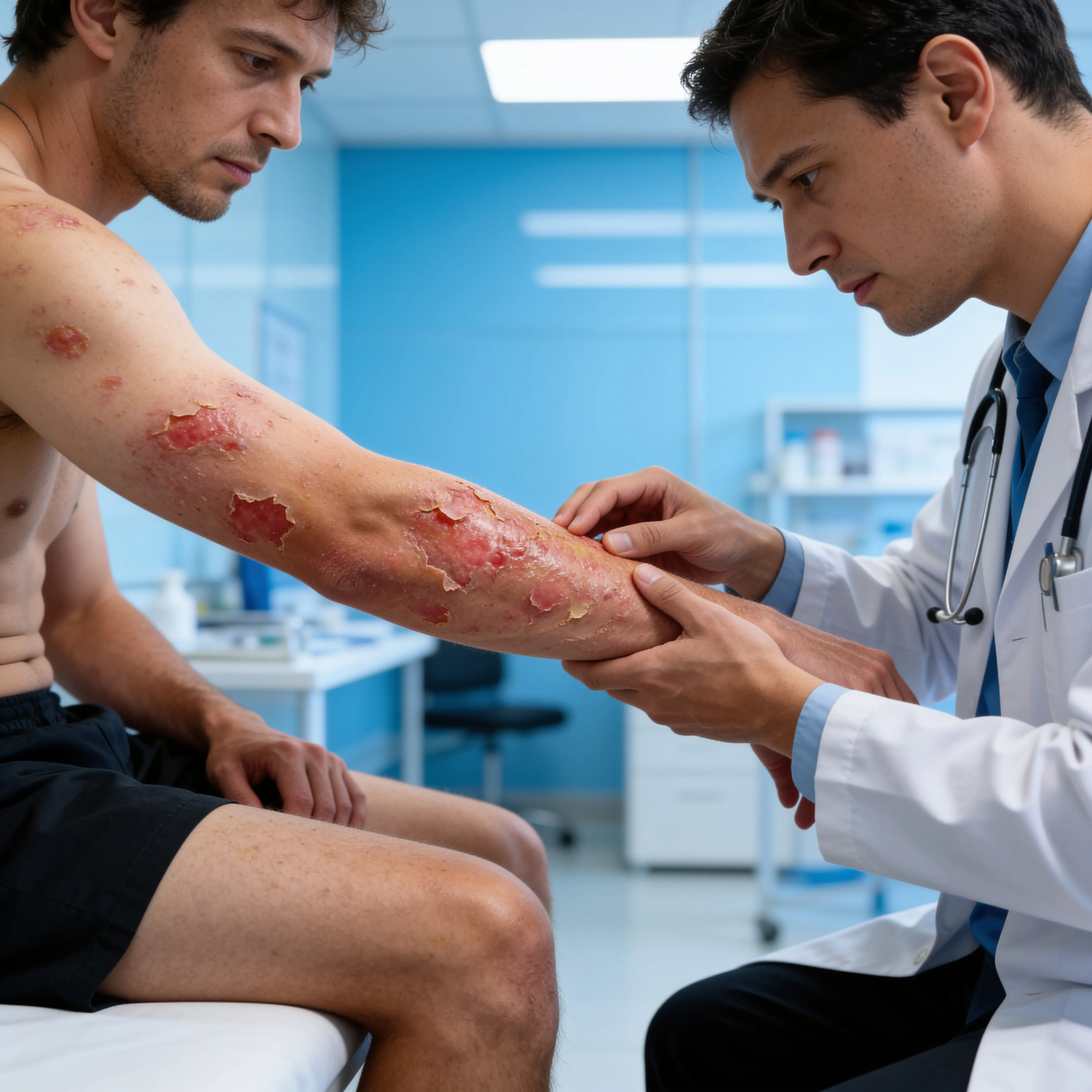
Some symptoms need immediate care. Don’t wait if you experience severe reactions. Blistering that covers large areas requires medical evaluation. So does swelling that affects your face or breathing.
Contact your doctor right away if you notice:
-
Widespread blistering or peeling skin
-
Fever or chills along with skin reactions
-
Severe pain that doesn’t respond to over-the-counter relief
-
Signs of infection like pus or increasing redness
-
Reactions that worsen despite avoiding sun exposure
Your doctor may need to adjust your medication or switch you to an alternative. They can also prescribe treatments to manage symptoms. For people who drive regularly, sun-sensitive medications create daily challenges. Window tint medical exemption options can help reduce UV exposure during vehicle travel.
Track your symptoms carefully. Note when they started, how long they lasted, and what medications you were taking. This information helps your healthcare provider make accurate diagnoses and treatment decisions.
Window Tint Exemption Qualifications for Medication Photosensitivity
Getting a window tint exemption for medication photosensitivity requires proper medical documentation. You need a licensed physician to confirm your condition. The process involves specific paperwork and certification from qualified healthcare providers.
Medical Criteria for Exemption
To qualify for a window tint exemption based on medication photosensitivity, you must meet clear medical standards. First, get a formal diagnosis from a licensed physician. This diagnosis must document that your current medications cause light sensitivity. Your doctor should identify which specific medications are causing the problem.
Common photosensitizing medications include certain antibiotics, diuretics, and anti-inflammatory drugs. The documentation should explain how these medications increase your UV sensitivity.
Your physician must also provide a medical necessity statement. This statement should explain why you need enhanced UV protection while driving and describe how sunlight exposure through vehicle windows affects your condition.
Similar to conditions like lupus and sun sensitivity, medication photosensitivity creates genuine health risks. Your documentation should reference potential complications from UV exposure. These may include severe skin reactions, burns, or phototoxic drug reactions.
Required Medical Documentation
Most states require specific forms completed by your healthcare provider. The documentation typically includes several key components. You’ll need patient identification and your complete diagnosis.
Your physician must list all photosensitizing medications you currently take. This includes dosages and how long you’ve been taking each medication. The form should explain the severity of your photosensitivity.
States often require a physician’s recommendation for specific tinting levels. Your doctor should specify the recommended visible light transmission percentage. This helps ensure the tinting provides adequate protection for your condition.
-
Physician’s license number and signature with date
-
Office contact information and letterhead
-
Statement of medical necessity for window tinting
-
Recommended tinting specifications and darkness level
-
Validity period if your state requires renewal
Some states accept generic physician letters on official letterhead. Others mandate completion of state-specific exemption forms. Check your state’s requirements before obtaining documentation to avoid delays.
Types of Healthcare Providers Who Can Certify
Several types of licensed healthcare providers can certify your need for window tint exemptions. Dermatologists are ideal for documenting photosensitivity conditions. They understand how medications affect skin sensitivity to light.
Primary care physicians can also provide certification. They have access to your complete medication history. This makes them well-suited to document drug-induced photosensitivity.
Specialists who prescribe your photosensitizing medications can certify your condition. This includes rheumatologists, cardiologists, and other specialists. Their certification carries weight because they manage your underlying condition.
-
Dermatologists who specialize in photosensitivity disorders
-
Primary care physicians familiar with your medication regimen
-
Specialists who prescribe your photosensitizing medications
-
Licensed physicians with active state medical licenses
Online medical consultation services now offer streamlined documentation. These platforms connect you with licensed physicians who understand state requirements. They can provide proper certification without requiring in-person visits.
The healthcare provider must be licensed in your state. Some states require the provider to have examined you recently. Verify your state’s specific provider-qualification requirements before seeking certification.
State-by-State Window Tint Laws and Medical Exemptions
Window tinting laws vary widely across the United States. Each state sets its own rules for how dark tints can be. For people with medication photosensitivity, these standard limits often don’t provide enough protection. That’s where medical exemptions come in.
Medical exemptions allow darker tints than normal state laws permit. This helps protect drivers taking photosensitizing medications from harmful UV exposure. The process to get an exemption differs by state. Some states make it simple. Others have more complex requirements.
Standard Tinting Limits vs. Medical Exemptions
Most states measure window tint darkness using visible light transmission (VLT) percentages. Lower numbers mean darker tints. A 70% VLT allows more light through than a 20% VLT.
Standard state limits typically look like this:
-
Windshield: Only a strip at the top (4-6 inches) or 70-75% VLT minimum
-
Front side windows: 35-50% VLT minimum in most states
-
Back side windows: 35-50% VLT minimum
-
Rear window: 35-50% VLT minimum, though some states allow darker
Medical exemptions change these rules for people with qualifying conditions. If you take sun-sensitive medications, you can often get approval for much darker tints. Many states allow 20-25% VLT on front side windows with proper documentation.
This darker tinting blocks more UV rays and visible light. That’s crucial for preventing phototoxic drug reactions while driving. Standard tints don’t offer enough protection for people with drug-induced photosensitivity.
Medical Exemption Process by State
Getting a window tint medical exemption follows a general pattern. First, you need documentation from a licensed doctor. Your physician must confirm your condition and explain why darker tints are medically necessary.
Next, you submit an application to your state’s motor vehicle department. Some states have specific forms. Others accept a letter on your doctor’s letterhead. Processing times range from immediate approval to several weeks.
Once approved, you receive an exemption certificate. Keep this document in your vehicle at all times. Law enforcement may ask to see it during traffic stops.
Validity periods differ by state:
-
Some states issue permanent exemptions that never expire
-
Others require renewal every 1-5 years
-
Renewal typically needs updated medical documentation
-
A few states require annual physician certification
After getting your exemption, have a professional install compliant window tinting. The installer should understand your state’s medical exemption specifications. Always verify the installed tint meets your exemption requirements.
States With Comprehensive Medical Exemption Programs
Many states allow darker window tints for medical reasons. If you have photosensitivity, you may qualify. California, Texas, Florida, and New York all offer medical exemptions. You’ll need a letter from your doctor. The letter should explain why you need sun protection. Some states ask for a signed statement from an eye doctor. Keep your documentation with you while driving.
According to the Georgia medical exemption requirements, patients need a completed affidavit from their doctor specifying the medical condition and tinting specifications.
Other states with established programs include:
-
Arizona: Accepts medical exemptions for photoallergic reactions and photosensitivity
-
Illinois: Allows exemptions with physician certification for light-sensitive conditions
-
Pennsylvania: Provides exemptions for medical conditions requiring UV protection while driving
-
Michigan: Recognizes photosensitivity as a qualifying condition
-
Ohio: Permits darker tints with proper medical documentation
Each state has specific forms and submission processes. Check your state’s motor vehicle department website for exact requirements. Some states process applications online. Others require mail or in-person submission.
Special Considerations and Restrictions
Even with medical exemptions, some restrictions still apply. Windshield tinting remains limited in most states. You can usually only tint the top strip or must maintain high VLT percentages.
Reflective or mirrored tints are often prohibited. These create visibility issues for other drivers. Red or amber tinting colors are generally not allowed. They can interfere with traffic signals and emergency vehicle lights.
Front side windows may have minimum VLT requirements even with exemptions. This allows law enforcement to see inside vehicles for safety purposes. Most states require at least some visibility through front windows.
Out-of-state travel creates complications. Your home state’s medical exemption may not be recognized elsewhere. Some states honor other states’ exemptions. Others don’t. This can lead to traffic stops and citations when traveling.
Keep these points in mind:
-
Always carry your exemption certificate when driving
-
Be prepared to explain your medical need to officers in other states
-
Research tint laws in states you plan to visit
-
Consider removing or lightening tints before long road trips through strict states
-
Keep copies of your medical documentation as backup
Enforcement varies by location. Some officers know about medical exemptions. Others may not. A polite explanation and proper documentation usually resolve questions.
If you get a citation despite having a valid exemption, you can contest it in court with your documentation. Installation quality also matters. Poor installation with bubbles or peeling can draw attention. Choose installers with a good reputation who understand medical exemption rules. Quality UV-blocking film protects better than cheap alternatives.
The Window Tint Application Process for Medication Photosensitivity
Getting window tint for medication photosensitivity takes four clear steps. Each step builds on the last. You need proper medical documentation first. Then you apply for state approval. After that comes professional installation. Finally, you verify everything meets legal standards.
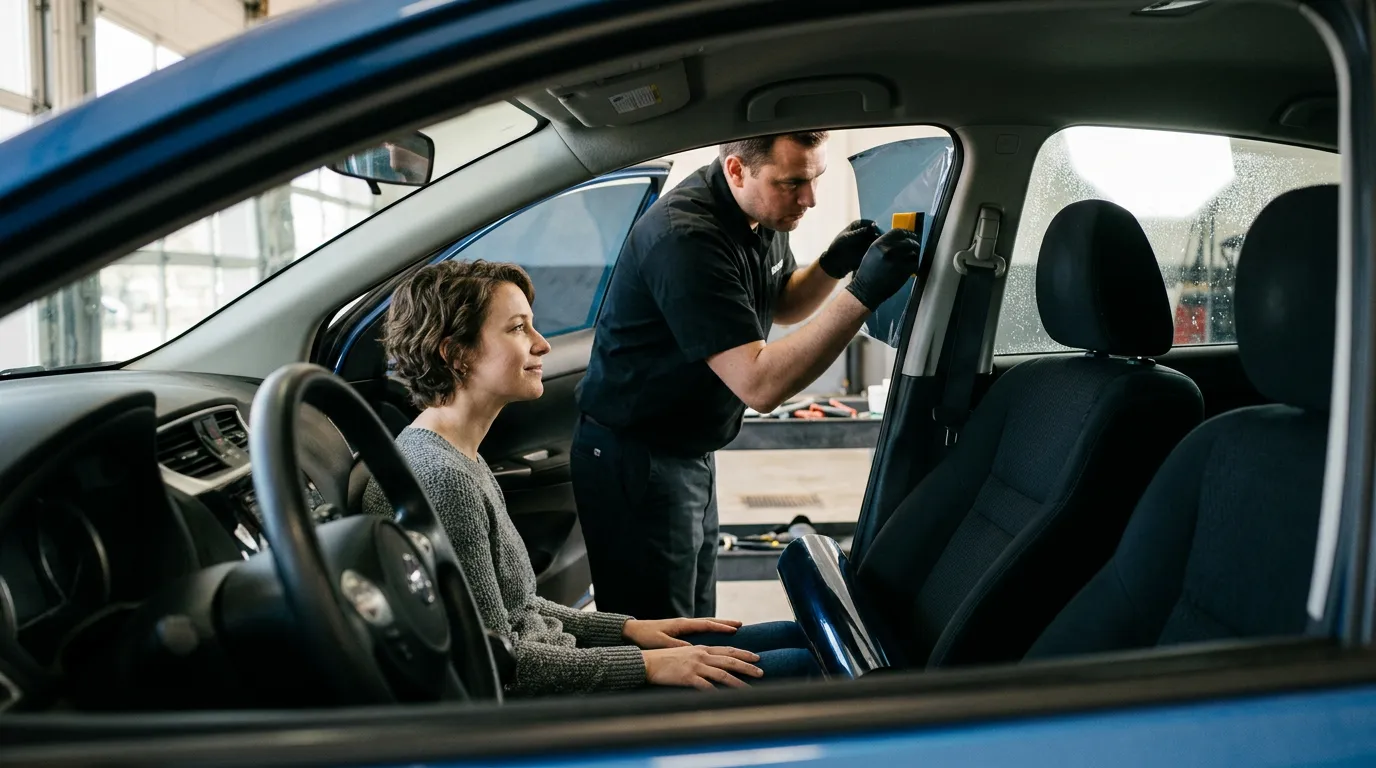
The process has become simpler in recent years. Online platforms now connect you with qualified doctors. They handle paperwork for your state. This saves time and reduces errors.
Step 1: Medical Consultation and Documentation
Start by consulting your dermatologist or primary care physician. They need to document your drug-induced photosensitivity diagnosis. The documentation must explain why window tint is medically necessary for you.
Your doctor should include specific details:
-
Which photosensitizing medications you take
-
How severe your sun sensitivity is
-
Past reactions to UV exposure while driving
-
Recommended tint darkness level
-
Expected duration of your condition
Telemedicine platforms make this step faster. You can connect with licensed physicians who specialize in tint exemptions. They know exactly what each state requires. This prevents delays from incomplete paperwork.
Ask your doctor to use office letterhead. Some states need specific forms completed. Others accept a detailed letter. Check your state’s requirements before the appointment.
Step 2: State Exemption Application
Each state handles window tint medical exemptions differently. Most require you to submit your medical documentation to the DMV. Some states process applications online. Others need mail or in-person submission.
The application typically includes:
-
Your completed medical certification
-
Driver’s license information
-
Vehicle registration details
-
Application fee (usually $10-50)
-
Proof of state residency
Processing times vary widely. Some states approve exemptions immediately. Others take 2-4 weeks. Plan if you need the exemption by a specific date.
Keep copies of everything you submit. You’ll need these records if questions arise later. Many people find it helpful to review frequently asked questions about medical exemptions before starting their application.
Step 3: Professional Installation
Once approved, choose a reputable tinting company. Look for installers experienced with medical exemptions. They understand the specific requirements better than general shops.
Quality matters for sun-sensitive medication protection. Select tinting film that blocks at least 99% of UV rays. Ceramic films work best. They reject heat while providing maximum UV protection.
Discuss these specifications with your installer:
-
Exact VLT percentage allowed by your exemption
-
UV blocking capability (should be 99%+)
-
Infrared rejection for heat reduction
-
Warranty coverage and duration
-
Compliance with state color restrictions
Professional installation prevents bubbles and peeling. It also ensures the tint meets your exemption specifications exactly. Ask for written confirmation that the installed tint matches your approved darkness level.
The installation typically takes 2- 4 hours. Don’t roll windows down for 2-3 days after. This lets the film cure properly.
Step 4: Compliance Verification
After installation, verify everything is correct. Keep your exemption certificate in your vehicle always. Law enforcement may ask to see it during traffic stops.
Check that your tint matches approved specifications. Some shops offer free light meter testing. This confirms the darkness level is legal under your exemption.
Display any required stickers or labels. Some states mandate visible exemption indicators on windows. Others just need the certificate available for inspection.
Set reminders for exemption renewal if needed. Many states require updates every 1-3 years. You’ll need fresh medical documentation each time. Mark your calendar now to avoid driving with an expired exemption.
Maintain all paperwork in an organized folder. Include your original exemption approval, medical documentation, and installation receipt. This protects you if questions arise about your phototoxic drug reaction protection needs.
Optimal Window Tinting Specifications for Photosensitive Patients
Choosing the right window tint specifications protects patients taking photosensitizing medications. The wrong tint level leaves you exposed to harmful UV rays. The right specifications block dangerous radiation while maintaining safe visibility for driving.
UV Protection Requirements
Patients with drug-induced photosensitivity need window films that block at least 99% of UVA and UVB radiation. Standard automotive glass blocks only about 50% of UVA rays. That’s not enough when you’re taking sun-sensitive medications.
Look for films rated to block 99.9% of UV radiation. This level of protection prevents phototoxic drug reactions during vehicle travel. Medical research on UV protection standards shows this threshold reduces skin damage risk by over 90%.
UV protection remains constant regardless of tint darkness. A light 50% VLT film can block 99% of UV rays. A dark 20% VLT film blocks the same UV percentage. The difference lies in visible light reduction, not UV blocking capability.
Visible Light Transmission Recommendations
Visible Light Transmission (VLT) measures how much light passes through your windows. Lower percentages mean darker tinting. For photosensitive patients, front-side windows typically need 20-35% VLT under medical exemptions.
Here’s how different VLT levels perform:
| VLT Percentage | Light Blocked | Best For |
|---|---|---|
| 50% | 50% | Mild photosensitivity, minimal glare reduction |
| 35% | 65% | Moderate sensitivity, balanced protection and visibility |
| 20% | 80% | Severe reactions, maximum protection with safe driving visibility |
Most states allow 20-25% VLT on front windows with a window tint medical exemption. This darkness level cuts glare and visible light exposure while maintaining adequate visibility for safe driving. Rear windows can go darker since they don’t affect forward visibility
Your dermatologist should recommend specific VLT percentages based on your medication and reaction severity. Patients taking multiple photosensitizing medications often need darker tinting in the 20-25% range.
Film Types and Technologies
Ceramic films outperform dyed films for patients with medication photosensitivity. uses nano-ceramic particles that block UV and infrared radiation without metal content. These films reject up to 50% of infrared heat while maintaining 99% UV protection.
Dyed films use color layers to reduce visible light. They block UV rays but don’t reject infrared heat as well. This means your car gets hotter, forcing you to run the air conditioner at higher levels. Ceramic films keep interiors cooler and more comfortable.
Key differences between film types:
-
Ceramic films: Superior heat rejection, no signal interference, color-stable over time, higher cost
-
Carbon films: Good heat rejection, no metal content, moderate cost, slight purple tint over years
-
Dyed films: Basic UV blocking, fades over time, lowest cost, minimal heat rejection
Color neutrality matters for patients who spend hours driving. Ceramic films maintain a neutral gray appearance that doesn’t distort colors. This reduces eye strain compared to films with blue, green, or purple tints.
Warranty coverage protects your investment. Quality ceramic films come with lifetime warranties against bubbling, peeling, and color fading. Dyed films typically offer 3-5 year warranties. For medical-grade protection, choose films with at least 10-year warranties that cover both UV protection and appearance.
Installation quality affects performance and longevity. Professional installers cut films precisely to fit your windows without gaps. Poor installation leaves edges exposed where UV radiation penetrates. Always verify your installer has experience with medical exemption specifications
Comprehensive UV Protection Strategy Beyond Window Tinting
Medication photosensitivity demands a multi-layered approach to UV protection. Window tinting helps during vehicle travel. But you need more defenses throughout your day. A complete strategy combines medication management, protective gear, lifestyle changes, and medical oversight.
Medication Management and Timing
Talk to your doctor about drug-induced photosensitivity risks. Some medications cause phototoxic drug reactions when UV light hits your skin. Others trigger photoallergic reactions that resemble allergic responses. Your healthcare provider can review your prescriptions and suggest alternatives with lower photosensitivity profiles.
Timing matters for sun-sensitive medications. Take doses in the evening when possible. This reduces peak drug levels during daylight hours. For medications you must take in the morning, plan indoor activities for the next 4-6 hours. This simple shift cuts your exposure risk.
Never stop medications without medical guidance. Your doctor can adjust dosages or switch formulation.
Some drugs come in extended-release versions that spread absorption throughout the day. This lowers peak concentrations that trigger reactions.
Protective Clothing and Sunscreen
UPF-rated clothing blocks UV rays better than regular fabric. Look for garments with UPF 50+ ratings. These block 98% of UV radiation. Long sleeves, pants, and wide-brimmed hats create physical barriers against sun damage.
Apply broad-spectrum sunscreen to all exposed skin. Use SPF 30 or higher every day. Reapply every two hours outdoors. Water-resistant formulas work best for extended activities. Don’t skip cloudy days. UV rays penetrate clouds easily
-
Choose mineral sunscreens with zinc oxide or titanium dioxide for sensitive skin
-
Apply one ounce (shot glass full) to cover your entire body
-
Put sunscreen on 15 minutes before going outside
-
Check expiration dates; old sunscreen loses effectiveness
Combine clothing and sunscreen for maximum protection. Fabric covers large areas efficiently. Sunscreen fills gaps at necklines, wrists, and ankles. This layered approach works better than either method alone.
Lifestyle Modifications for Photosensitive Individuals
Avoid peak UV hours from 10 AM to 4 PM. Schedule outdoor errands for early morning or evening. UV intensity drops significantly before 10 AM and after 4 PM. This simple timing change cuts your exposure by 60-70%.
Plan vehicle-specific protections beyond your photophobia treatment options and window tint exemption. Use dashboard sunshades when parked. They reduce interior heat and UV penetration through windshields. Park in covered garages or shaded spots whenever possible.
Choose driving routes with tree cover or tall buildings. These create natural shade corridors. GPS apps can show alternate routes. A few extra minutes of travel time beats prolonged sun exposure.
-
Keep a UV umbrella in your car for unexpected outdoor stops
-
Wear UV-blocking sunglasses rated for 100% UVA and UVB protection
-
Install UV-filtering film on home and office windows
-
Plan vacations for locations with lower UV indexes
Indoor activities offer safe alternatives during high-risk periods. Gyms, shopping malls, and museums provide entertainment without sun exposure. You can stay active and social while protecting your skin.
Regular Medical Monitoring
See a dermatologist every 6-12 months. They’ll check for skin changes from your medications. Catching problems early leads to better treatment. These visits also show how well your sun protection is working.
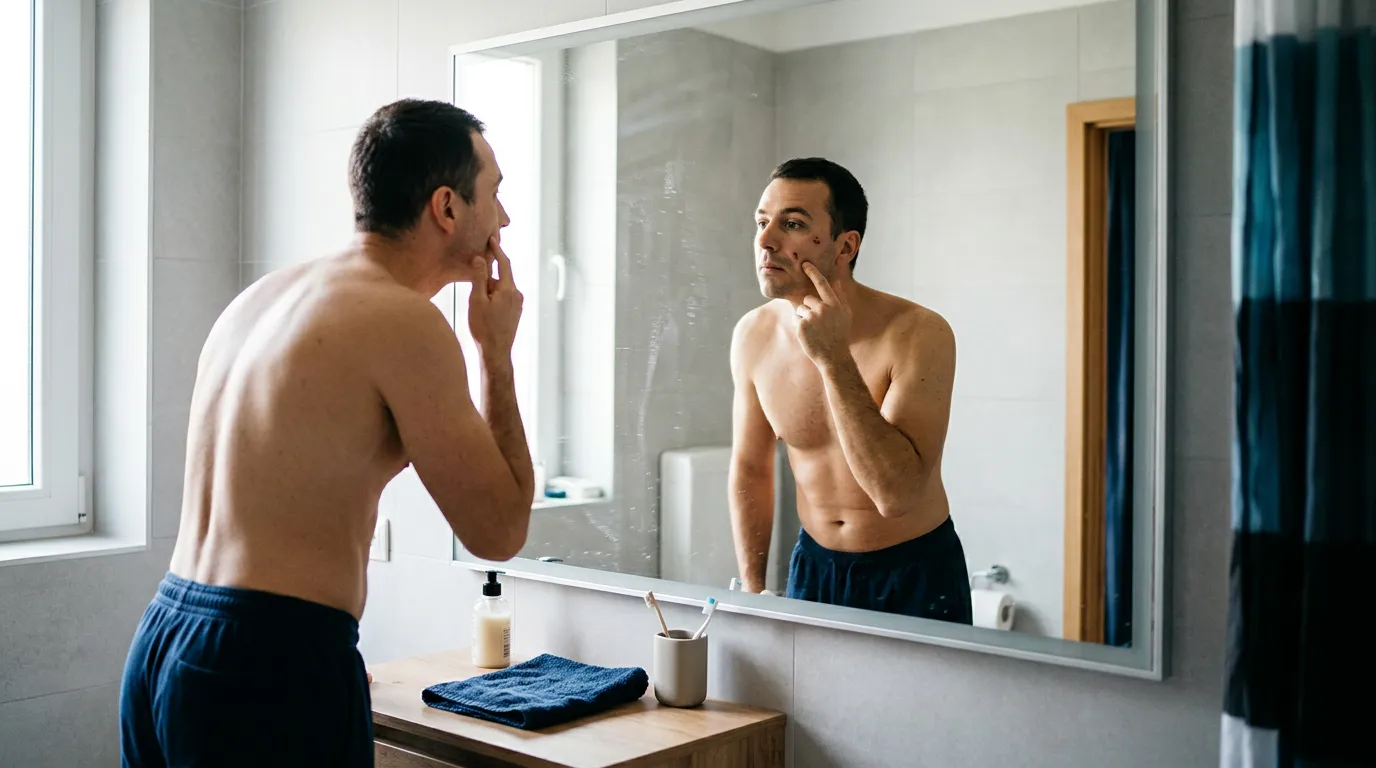
Check your skin yourself each month. Look for new moles or growths. Watch for changes in existing spots. Use the ABCDE method:
-
Asymmetry (one half doesn’t match the other)
-
Border irregularity (edges are jagged or unclear)
-
Color variation (more than one color)
-
Diameter over 6mm (larger than a pencil eraser)
-
Evolution (changes over time)
Tell your doctor right away if you notice anything odd.
Document your sun exposure and reactions. Keep a log of outdoor time, protection methods used, and any skin responses. This data helps your doctor adjust your treatment plan. Patterns emerge that guide better prevention strategies.
Blood tests may track medication levels and liver function. Some photosensitizing drugs need monitoring for safe long-term use. Your doctor determines the right testing schedule based on your specific medications and risk factors.
Drug Interactions and Photosensitivity Risk Factors
Medication photosensitivity doesn’t occur in isolation. Your risk increases when multiple factors combine. Some drugs amplify each other’s effects. Others interact with supplements or health conditions. Understanding these interactions helps you protect yourself while driving.
Medications That Increase Photosensitivity Risk
Some drugs make your skin more sun-sensitive than others. Tetracyclines and fluoroquinolones are common culprits. They can cause skin reactions within hours of sun exposure. NSAIDs like ibuprofen and naproxen also raise your risk. Blood pressure diuretics often trigger photosensitivity.
Antidepressants, antipsychotics, and some diabetes medications can do the same. Tricyclic antidepressants and phenothiazines are particularly risky. If you take any of these, extra sun protection matters.
Combination Drug Effects
Taking multiple photosensitizing medications multiplies your risk. The effects stack rather than cancel out. Two sun-sensitive drugs create more problems than one.
Drug-supplement interactions matter too. St. John’s Wort increases photosensitivity on its own. Combine it with other photosensitizing medications and reactions worsen. Grapefruit juice can also alter how your body processes certain drugs.
Clinical experts emphasize the importance of distinguishing phototoxic from photoallergic reactions when multiple medications are involved. Phototoxic reactions happen quickly and affect all exposed skin. Photoallergic reactions develop slowly and may spread beyond sun-exposed areas.
Individual Susceptibility Factors
Your genetics play a role in how you react. Fair skin types (Fitzpatrick I and II) face higher risk. These skin types produce less melanin for natural UV protection.
Age plays a role in how fast your body processes drugs and how sensitive your skin becomes to sun. Older adults metabolize medications at a slower rate. Drugs linger in your system longer as a result, which extends how long your skin reacts to sunlight. Existing skin conditions make reactions worse. Lupus, rosacea, and eczema put your skin at higher risk.
These conditions already damage your skin’s barrier. Adding photosensitizing medications increases the problem. Check your medication list often. Meet with your healthcare provider to review all drugs and supplements you’re taking. They can catch interactions early, before they cause issues. This is especially true if you drive or ride in vehicles with standard window tinting.
Living With Medication Photosensitivity: Practical Strategies
Managing medication photosensitivity takes planning. You can’t avoid the sun completely. But you can reduce exposure and protect your skin.
Daily Sun Protection Routines
Start your morning with sun protection before you leave home. Apply broad-spectrum sunscreen with SPF 30 or higher to all exposed skin. Don’t skip cloudy days.
Your routine should include these steps:
-
Apply sunscreen 15 minutes before going outside
-
Wear protective clothing with a UPF 50+ rating
-
Put on UV-blocking sunglasses that wrap around your face
-
Check your medication schedule and plan outdoor time accordingly
-
Reapply sunscreen every two hours when outside
Keep sun protection supplies in your car and bag. This helps you stay prepared when plans change. Window tint medical exemptions add another layer of protection during your commute.
According to Virginia sun-shading medical authorization guidelines, proper documentation from your doctor can help you get darker window tints for medical reasons. This protects you during daily drives.
Travel and Outdoor Activity Planning
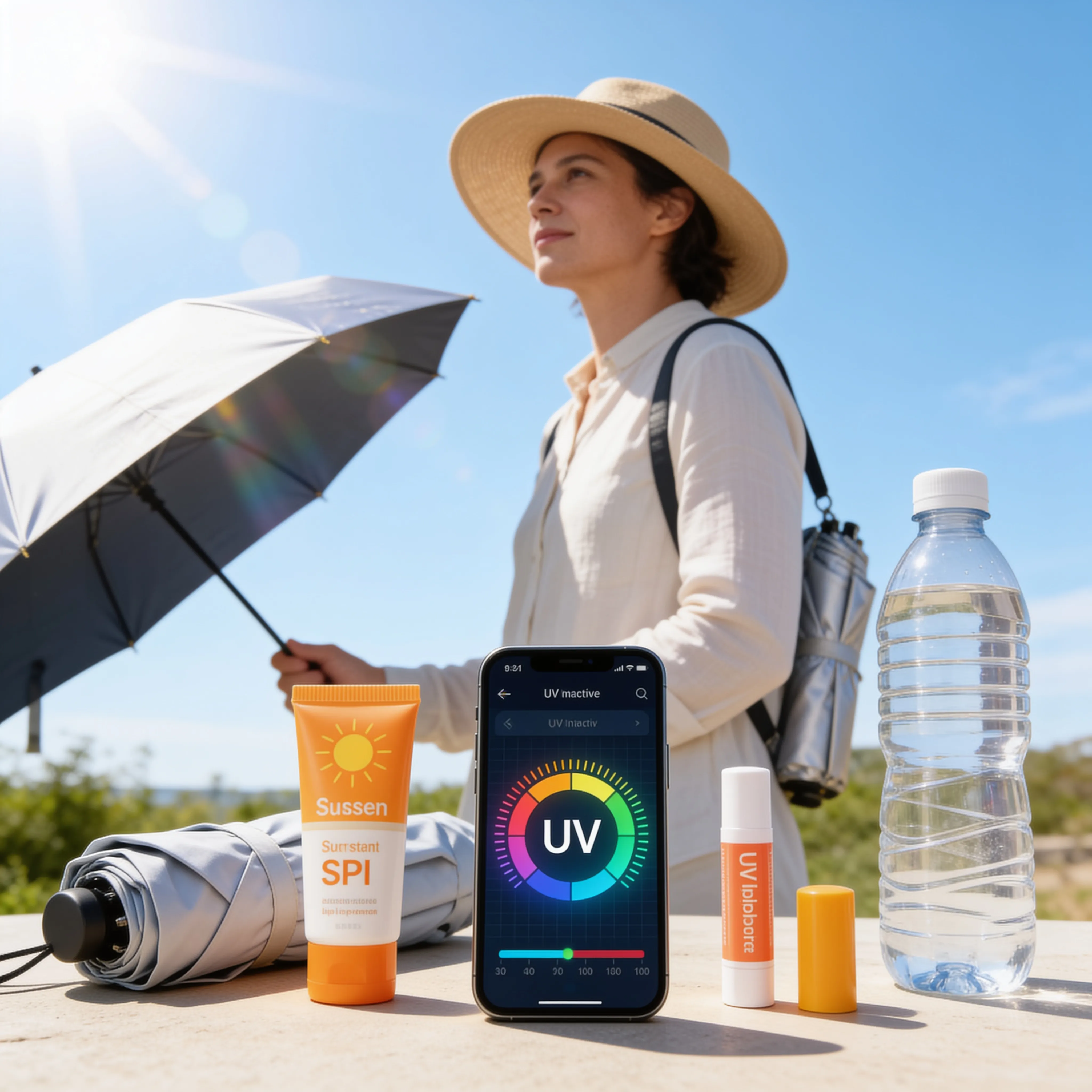
Check the UV index before you plan outdoor activities. UV levels peak between 10 AM and 4 PM. Schedule outdoor time for early morning or late afternoon when possible.
For travel, pack these items:
-
Extra sunscreen and lip balm with SPF
-
Wide-brimmed hat with at least a 3-inch brim
-
Long-sleeved shirts and pants in light colors
-
Portable shade like an umbrella
-
Your medication list and doctor’s contact information
Research your destination’s climate and sun intensity. Tropical locations and high altitudes increase UV exposure. Plan indoor activities during peak sun hours.
Work and Social Accommodations
Talk to your employer about workplace modifications. You may need a desk away from windows or permission to work flexible hours. Most employers will help once they understand your medical needs.
Request these accommodations in writing:
-
Window shades or UV-blocking film on office windows
-
Parking spot in covered garage or shaded area
-
Flexible schedule to avoid peak UV hours
-
Option to work from home on high UV days
For social events, communicate your needs early. Suggest indoor venues or shaded outdoor spaces. Bring your own sun protection gear. Real friends will understand and support your health requirements.
Keep emergency supplies ready for unexpected sun exposure. Pack aloe vera gel, extra sunscreen, and pain relievers. Know the signs of phototoxic drug reactions so you can act fast if symptoms appear.
Enforcement and Legal Considerations for Medical Exemptions
Understanding how law enforcement handles window tint exemptions helps you stay compliant. Officers may question dark tinting during routine traffic stops. You need proper documentation ready at all times.
Traffic Stops and Documentation Requirements
Keep your medical exemption certificate in your vehicle. Officers can’t verify exemptions without seeing proof. Most states require you to present documentation on request.
Your exemption paperwork should include:
-
Physician’s signed statement confirming medication photosensitivity
-
State-issued exemption certificate or approval letter
-
Tinting specifications showing compliance with approved limits
-
Expiration date if your state requires periodic renewal
According to the Massachusetts tinted glass waiver process, applicants must submit medical documentation from licensed physicians. This standard applies across most states with exemption programs.
Present your documents politely when stopped. Explain that you have a medical exemption for drug-induced photosensitivity. Most officers recognize legitimate exemptions once they see proper paperwork.
Out-of-State Travel Challenges
Your home state exemption may not transfer when you cross borders. States don’t always recognize medical exemptions from other jurisdictions. This creates problems for people who travel frequently.
Some states honor out-of-state medical exemptions under disability accommodation laws. Others enforce their own tinting limits regardless of your documentation. Check regulations before long trips.
You face these risks when traveling:
-
Traffic citations in states that don’t recognize your exemption
-
Required tint removal to continue driving legally
-
Fines ranging from $50 to $500 depending on jurisdiction
-
Vehicle inspection failures in states with annual testing
Contact the DMV in states you’ll visit. Ask if they honor medical exemptions from your home state. Get written confirmation when possible.
Penalties for Non-Compliance
Driving with illegal tinting without valid exemptions brings serious consequences. First violations typically result in fix-it tickets. You must remove the tinting and show proof to avoid fines.
Repeat violations escalate penalties. You might face fines up to $500 or more. Some states add points to your driving record. Vehicle inspection stations will fail cars with illegal tinting.
If an officer questions your exemption validity, stay calm. Provide all documentation you have. You can dispute citations through your state’s traffic court system. Bring medical records and exemption paperwork to hearings.
Photosensitizing medications create legitimate medical needs for UV protection while driving. Proper exemptions protect both your health and legal standing.
The Critical Role of Window Tint Exemptions for Medication Users
Medication photosensitivity creates a genuine medical need for enhanced UV protection. Many common drugs increase your skin’s reaction to sunlight. This can turn a routine drive into a painful experience.
Window tint exemptions offer a practical solution. They allow you to install darker tinting than standard state limits permit. This protection helps you drive safely and comfortably while taking photosensitizing medications.
According to Cleveland Clinic, early symptoms of drug-induced photosensitivity include redness, burning, and rash within hours of sun exposure. These reactions can occur even through vehicle windows. Standard automotive glass blocks some UV radiation but not enough for medication users.
The quality of life improvements are substantial. You can run errands during daylight hours. You can drive to work without fear of painful skin reactions. You can maintain your independence and daily routines.
Key Considerations
Modern exemption processes have become remarkably accessible. Telemedicine platforms now connect you with qualified physicians who understand state-specific documentation requirements. This streamlines approval and eliminates multiple office visits.
Window tinting works best as part of a comprehensive protection strategy. You still need sunscreen, protective clothing, and medication timing awareness. However, tinting provides continuous protection during vehicle travel without requiring constant reapplication.
Don’t wait for a bad reaction to act. Phototoxic drug reactions can damage your skin long-term. Photoallergic reactions get worse with repeated sun exposure. Early prevention protects your health and keeps you active. The exemption process usually takes two to four weeks. You’ll need medical records from a licensed doctor. Most states accept letters from dermatologists, primary care doctors, or specialists who prescribe your medication. Online services can speed up this process and handle your state’s paperwork for you.
Conclusion
Medication photosensitivity affects millions who take common prescriptions. You don’t have to accept painful reactions or limit your life. This guide covered what causes drug-induced photosensitivity and which medications trigger it. You learned how to recognize symptoms early. We walked through medical complications that qualify for exemptions. You now understand state laws and the application process.
Window tint medical exemptions protect your skin during daily drives. They work best as part of a complete UV protection strategy. Combine proper tinting with clothing, sunscreen, and medication timing. Talk to your doctor about your sun sensitivity. Ask if your prescriptions can be adjusted. Don’t wait for severe phototoxic drug reactions to force action. Start your exemption application today.
Modern telemedicine makes the process simple and fast. You can get proper documentation without multiple office visits. Take control of your health now. Tinted MD connects you with qualified physicians who understand photosensitizing medications. Get your window tint exemption and drive comfortably again.
Frequently Asked Questions
What causes medication photosensitivity reactions in the skin?
Drugs enter your bloodstream and reach skin cells. When UV light hits your skin, these compounds absorb the energy. They become chemically unstable and create free radicals. These free radicals damage cell membranes and DNA. Your immune system responds to this damage with inflammation. The drug amplifies UV effects far beyond normal sunburn. This process differs from regular sun damage because the medication makes your skin react abnormally to light.
How quickly do phototoxic reactions appear after sun exposure?
Phototoxic reactions happen immediately after sun exposure. You'll see symptoms within hours of being in sunlight. Your skin develops a severe sunburn-like response right away. The reaction is dose-dependent, so higher drug doses cause worse symptoms. You'll notice redness, swelling, and sometimes blistering in sun-exposed areas. This type affects anyone taking the medication at sufficient doses. Even a 15-minute commute can trigger reactions that look like severe burns.
What medications most commonly cause sun sensitivity?
Antibiotics like tetracyclines and fluoroquinolones top the list. Nonsteroidal anti-inflammatory drugs also cause reactions. Diuretics used for blood pressure control make skin photosensitive. Antidepressants and antipsychotics can trigger sun reactions. Diabetes medications like sulfonylureas cause sensitivity too. Over 300 medications can cause photosensitivity reactions. About 8% of adverse drug reactions involve light sensitivity. These drugs affect people of all ages who take them.
Do photoallergic reactions happen right away or later?
Photoallergic reactions develop 24-72 hours after sun exposure. They don't appear immediately like phototoxic reactions. These reactions involve your immune system and take time to develop. You'll notice itchy, red patches that resemble eczema. The rash may spread beyond sun-exposed areas. This type requires prior sensitization from previous exposure. Your immune system must first recognize the drug-UV combination as a threat. Only some people develop photoallergic reactions, regardless of dose.
Can standard car windows protect against medication photosensitivity?
Standard car windows block some UV rays but not enough. They don't provide adequate protection for photosensitive patients. A 15-minute commute can still trigger severe reactions. UV radiation passes through regular glass and reaches your skin. The medication amplifies this UV impact dramatically. Even brief sun exposure through car windows causes painful burns. You need medical-grade window tinting for proper protection. This makes driving a health risk without additional UV blocking.
What symptoms should I watch for with drug-induced photosensitivity?
Watch for severe redness that appears like sunburn. Swelling in sun-exposed areas signals a reaction. Blistering can develop within hours of exposure. Itchy, red patches that spread indicate photoallergic reactions. Pain that feels worse than normal sunburn is common. The symptoms appear after minimal sun exposure, not extended time outdoors. Reactions can happen through car windows during short drives. Any unusual skin response after starting new medication needs medical attention.
How does medication photosensitivity differ from regular sunburn?
The drug amplifies UV effects far beyond normal sunburn. Regular sunburn requires extended sun exposure to develop. Medication photosensitivity causes severe reactions from brief exposure. Chemical compounds in the drug absorb UV energy directly. This creates free radicals that damage cells more intensely. Your skin reacts abnormally because the medication changes how cells respond to light. Even 15 minutes of sun can cause what looks like hours of burn damage. The severity doesn't match the exposure time.
Who faces the highest risk for medication photosensitivity?
Anyone taking photosensitizing medications faces risk. People on antibiotics, blood pressure pills, or anti-inflammatory drugs are vulnerable. Those taking multiple medications that cause sun sensitivity face higher risk. Fair-skinned individuals often experience more severe reactions. People who spend time driving or near windows during the day need extra caution. Patients on long-term medication therapy face ongoing exposure risk. The condition affects people of all ages. About 8% of adverse drug reactions involve light sensitivity.

Meet the author
Nida Hammad
I am a professional writer with over five years of experience creating clear, engaging, and well-researched content. I specialize in medical window tint exemptions and state compliance topics, helping readers understand tint laws and exemption requirements in simple, easy-to-follow language. Currently, I write for TintedMD, where I focus on producing accurate, trustworthy guides to help drivers navigate the medical tint exemption process with confidence.
Get Your Medical Tint Exemption Online in Minutes
Check Your Eligibility