Medical vs Cosmetic Tint — Legal Difference
 by Anam Moin
 Last updated:
Medically reviewed by:
Dr. Matthew Reynolds, MD


The legal difference between medical vs cosmetic tint comes down to documentation, not darkness. A medical window tint exemption is a state-issued authorization that lets you install darker tint than standard VLT limits based on a qualifying health condition.
Cosmetic tint is any window film installed for looks, privacy, or heat reduction that must follow your state’s legal limits without exception. The film itself can be identical. What separates legal medical tint from illegal cosmetic tint is the paperwork you carry and the approval process you complete before installation.
Drivers face citations when they install dark tint for cosmetic reasons but claim medical necessity during traffic stops. Others have legitimate photosensitivity conditions but skip the exemption process and get ticketed anyway. Both situations create legal problems because medical window tint exemption requirements demand specific physician certification and DMV approval before you tint your windows. Your reason for wanting darker tint doesn’t matter. What matters is whether you followed the legal process.
This guide breaks down the legal framework that separates medical from cosmetic tint. You’ll learn what qualifies as a medical exemption in each state, the exact documentation required to make your tint legally medical, and what happens when you install dark tint without proper authorization.
We cover VLT percentage limits, the DMV review process, enforcement differences during traffic stops, and how tint shops handle medical versus cosmetic installations. You’ll also see cost comparisons, renewal requirements, and common misconceptions that lead to citations.
The distinction between medical and cosmetic tint isn’t about your intentions. It’s about following state law to convert a cosmetic modification into a legally protected medical accommodation.
What Defines Medical Window Tint Under State Law Medical vs Cosmetic Tint Legal Difference
Medical window tint is defined by state law as tint installed under a valid medical exemption certificate or physician letter. The tint film itself is identical whether installed for medical or cosmetic reasons. The legal classification depends entirely on documentation. Without proper exemption paperwork, any tint darker than state limits is classified as illegal cosmetic tint regardless of medical condition.
This distinction matters because it determines whether you can legally drive with darker tint. Cosmetic tint follows standard state VLT limits. Medical tint allows you to go darker with proper authorization. The difference is not in the product. It’s in the paperwork you carry.
Medical Tint Requires State-Issued Authorization
Medical window tint exemption requirements vary by state, but all follow the same core principle. You need official documentation from a licensed physician. This documentation must connect your diagnosis to the medical necessity of darker tint during vehicle operation. The exemption certificate or letter serves as your legal proof.
Most states require you to carry this documentation in your vehicle at all times. If stopped by law enforcement, you must produce it on request. Without it, even legitimate medical tint can result in a citation. The paperwork is what makes medical tint legal.
According to the New York DMV medical exemptions, qualifying conditions include lupus, photophobia, and albinism where shielding from the sun is medically required. Each state maintains similar standards. Some use specific condition lists. Others accept any physician-attested photosensitivity.
The Role of Physician Certification in Legal Classification
Physician certification for window tint exemption is the single factor that separates medical from cosmetic tint. The certification must include specific elements to meet state standards. These include your diagnosis with ICD-10 code, the connection between your condition and UV sensitivity, and the medical necessity for darker tint while driving.
The physician must be licensed in your state. Out-of-state doctors typically don’t qualify. The letter must appear on official letterhead with the doctor’s full credentials. This includes their printed name, state medical license number, practice address, and clear signature. Missing any of these elements can result in rejection.
The certification also specifies the recommended VLT percentage. This must stay above your state’s absolute minimum floor. Most states set this floor at 20% VLT even with medical exemption.
How States Define Qualifying Medical Conditions
States take two approaches to defining qualifying medical conditions. Some maintain explicit lists of approved diagnoses. Others use a general standard requiring physician attestation of photosensitivity. Both approaches achieve the same goal. They ensure only legitimate medical needs receive exemptions.
Common qualifying conditions include lupus, albinism, photophobia, photosensitive porphyria, and xeroderma pigmentosum. Melanoma history and severe drug photosensitivity also qualify in most states. Autoimmune conditions like dermatomyositis where UV triggers flares are widely accepted. The key is documented photosensitivity that creates danger during vehicle operation.
Two states don’t offer medical exemptions at all. Colorado and Kansas prohibit any tint darker than standard limits regardless of medical condition. If you live in either state, UV-blocking clear film is your only legal option for additional sun protection.
What Defines Cosmetic Window Tint Under State Law
Cosmetic tint is any window film you install for looks, heat control, privacy, or UV protection. It doesn’t qualify for a medical exemption. The law treats it like any other aftermarket modification. You want darker windows for style or comfort. That’s fine. But you must stay within your state’s legal limits.
Standard VLT Limits Apply to All Cosmetic Tint
States set different VLT limits for different windows. Front side windows usually have the strictest rules. Most states require 35% VLT or higher on front side windows. Rear windows and back glass often allow darker tint. Some states permit any darkness on rear windows. Others still set a minimum.
According to the Texas window tinting standards, front side windows must allow more than 25% of light to pass through. Rear windows can be any darkness if the vehicle has outside mirrors on both sides. These limits apply to all cosmetic tint installations. No exceptions for personal preference.
The windshield has the tightest restrictions in most states. Many states allow only a strip across the top. This strip is usually limited to the AS-1 line marked on the glass. That’s typically four to five inches from the top edge. Full windshield tint is illegal for cosmetic purposes in nearly every state.
Here’s what typical state VLT limits look like for cosmetic tint:
-
Front side windows: 35% to 50% VLT minimum (varies by state)
-
Rear side windows: 35% VLT minimum to any darkness allowed
-
Back window: Often same as rear side windows
-
Windshield: Top strip only, usually to AS-1 line
These limits exist regardless of your reason for wanting darker tint. You might live in a hot climate. You might value privacy. You might think darker tint looks better. None of these reasons change the legal VLT floor for cosmetic installations.
No Exemption Process for Aesthetic or Privacy Preferences
States don’t offer exemptions for cosmetic preferences. The exemption process exists only for documented medical necessity. If you want darker tint for style, heat reduction, or privacy, you have two options. Install tint within legal limits. Or qualify for a medical exemption based on a health condition.
Aftermarket tint shops install cosmetic tint every day. They know your state’s legal limits. A reputable shop won’t install tint darker than what’s legal without seeing your medical exemption paperwork first. The shop isn’t required to verify your exemption. But most shops protect themselves by asking for documentation before installing below-legal-limit tint.
You don’t need DMV approval for cosmetic tint within legal limits. You don’t need a doctor’s note. You don’t need to file any paperwork. Just choose a VLT percentage that meets your state’s minimum. The shop installs it. You drive away. That’s the entire process for cosmetic tint.
If you install cosmetic tint darker than your state allows, you risk citations. Officers can measure your tint during traffic stops. They use a VLT meter. If your tint measures below the legal minimum, you get a ticket. The fine varies by state. Repeat violations can lead to higher fines or required tint removal.
The Legal Documentation That Separates Medical from Cosmetic Tint
The difference between medical and cosmetic tint comes down to paperwork. Cosmetic tint needs nothing beyond a shop invoice showing compliance with state VLT limits. Medical tint requires physician certification, state forms, and DMV approval. The legal burden falls on you to prove your darker tint is medically authorized.
Required Components of a Valid Medical Exemption
A medical window tint exemption requires specific documentation. You can’t just install darker tint and claim a medical need. The state needs proof before you tint your windows.
According to the New Jersey medical sun-screening requirements, a valid exemption must include a physician letter on official letterhead. The letter must state your diagnosis with an ICD-10 code. It must explain why UV exposure creates a medical problem for you. And it must recommend a specific VLT percentage.
The physician must sign the letter with their printed name and state medical license number. Most states also need the doctor’s practice address and contact information. Without these credentials, the DMV can’t verify the letter came from a licensed provider.
Beyond the doctor letter, you need your state’s official exemption form. This form ties the medical certification to your specific vehicle. You’ll submit your vehicle registration, VIN, and sometimes a small processing fee.
What Makes Physician Certification Legally Sufficient
Not every doctor letter passes DMV review. The certification must connect your diagnosis to the specific need for darker window tint while driving. A letter that says “patient has lupus” isn’t enough. The DMV needs to see why lupus makes darker tint medically necessary.
The physician must be licensed in the state where you’re filing the exemption. An out-of-state specialist’s letter won’t work in most states. Tinted MD matches you with physicians licensed in your state who understand these requirements.
The recommended VLT percentage matters too. Most states set a minimum floor, often 20% VLT, even with medical paperwork. If your doctor recommends 5% VLT in a state with a 20% minimum, the form gets rejected. The physician needs to know your state’s limits before writing the recommendation.
Medical Conditions That Legally Qualify for Tint Exemption
The difference between medical and cosmetic tint starts with the condition itself. Medical window tint exemption requirements demand a documented diagnosis that proves UV exposure causes direct harm. Not every health issue qualifies. States recognize specific conditions where sunlight triggers measurable medical problems.
Photosensitivity Disorders Recognized Across Most States
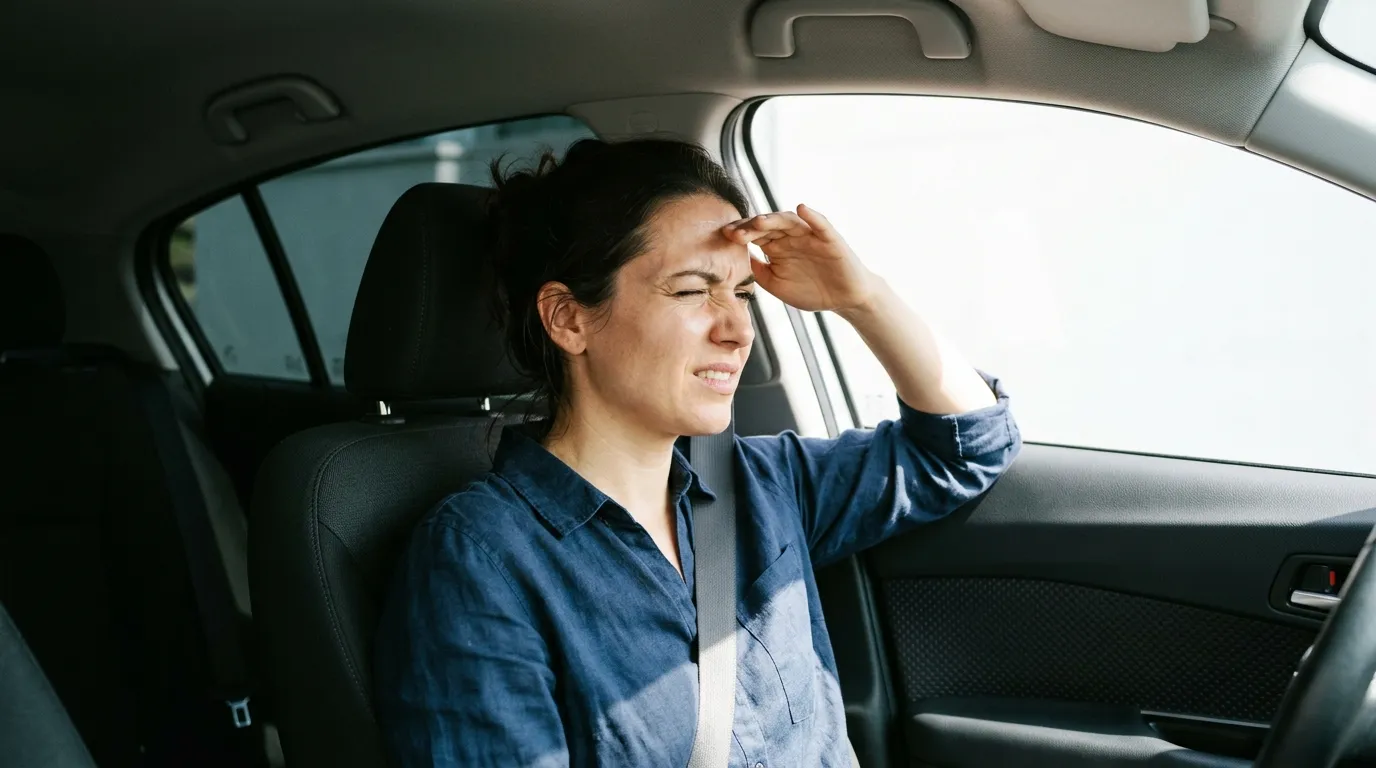
Lupus, photophobia, albinism, xeroderma pigmentosum, and porphyria are universally accepted qualifying conditions. These disorders cause severe reactions to UV radiation. Lupus patients experience disease flares when exposed to sunlight. Photophobia creates extreme light sensitivity that makes normal driving dangerous.
Albinism removes natural melanin protection, leaving skin vulnerable to UV damage. Xeroderma pigmentosum is a rare genetic disorder where even brief sun exposure causes severe burns. Porphyria triggers painful skin reactions from UV light. All five conditions appear on most state exemption lists.
According to the Massachusetts tinted glass waiver application, physicians must document the specific mechanism by which UV exposure during driving causes medical harm. The letter must connect your diagnosis to the need for darker tint. A vague note about sun sensitivity won’t pass review.
Autoimmune and Dermatological Conditions
Melanoma history qualifies in most states with proper physician documentation. Prior skin cancer diagnosis creates a medical need to minimize UV exposure. Dermatomyositis, an autoimmune condition, causes photosensitive skin rashes that worsen with sunlight.
Severe drug photosensitivity also qualifies when medication causes prolonged sensitivity to UV light. Certain antibiotics, chemotherapy drugs, and immunosuppressants trigger this reaction. Your physician must document the specific medication and its photosensitive effects.
These conditions require detailed medical records. The DMV needs proof that UV exposure creates genuine medical risk. General preference for sun protection doesn’t meet the legal medical standard. Heat sensitivity without a medical diagnosis won’t qualify either.
State-Specific Qualifying Condition Lists
New York maintains an explicit list including lupus, photophobia, and albinism in DMV medical exemption guidance. The state requires conditions to appear on the official list. Some states accept any physician-certified condition causing photosensitivity. Others demand the condition match their published criteria.
Colorado and Kansas don’t offer medical exemptions at all. No diagnosis qualifies in those states. Florida issues non-expiring certificates for certain permanent conditions. Most states require renewal every one to three years.
Your physician must document how UV exposure during driving causes specific medical harm. Cosmetic concerns about appearance don’t qualify. General discomfort from heat doesn’t meet the threshold. The condition must create measurable medical risk from sunlight exposure while operating a vehicle.
VLT Percentage Limits: Medical vs Cosmetic Tint Darkness
VLT stands for Visible Light Transmission. It measures how much light passes through your window. Lower numbers mean darker tint.
The difference between medical and cosmetic tint VLT limits is where most confusion starts. Cosmetic tint follows strict state rules. Medical exemptions allow darker tint but still have floors you can’t go below.
Standard State VLT Limits for Cosmetic Tint
Most states require front side windows at 35% VLT or higher for cosmetic tint. Some states set the bar at 50% VLT. A few allow as low as 28% VLT. But 35% is the most common baseline across the country.
Rear windows and back windshields get more lenient treatment. Many states allow any darkness level on rear windows. Some have no limit at all. The strictest rules apply to front side windows and the windshield.
According to window tint law basics, officers can stop you for dark tint alone. If your front windows appear darker than state limits, that’s probable cause. You’ll get a citation even if you thought your tint was legal.
Cosmetic tint limits exist for officer safety during traffic stops. Police need to see inside the vehicle. They need to assess threats before approaching. That’s why front window rules are strictest.
Medical Exemption VLT Floors and Ceilings
Medical exemptions let you go darker than cosmetic limits. But states still set absolute minimum floors. Most states set that floor at 20% VLT. You can’t request darker tint even with a valid medical condition.
Here’s what that means in practice. If your state allows 35% VLT for cosmetic tint, a medical exemption might let you drop to 20% VLT. That’s a 15-point difference. It provides real UV protection without crossing into limo tint territory.
Limo tint at 5% VLT is almost never legal even with medical paperwork. States reject these requests due to officer safety concerns. A 5% VLT window is nearly opaque. Officers can’t see inside during traffic stops. That creates unacceptable risk.
Some states set their medical floor at 25% VLT instead of 20%. A few go as low as 15% VLT for specific conditions. But no state allows 5% VLT on front side windows with a medical exemption. That’s a hard line across the board.
If your doctor writes a letter requesting VLT below your state’s medical minimum, the DMV will reject it. The form comes back denied or adjusted to the state floor. Your doctor needs to know the state’s minimum before writing the recommendation.
Medical exemptions apply primarily to front side windows. That’s where standard cosmetic limits are strictest. Rear windows already have lenient rules in most states. You don’t need an exemption for what’s already legal.
The DMV Review Process for Medical Exemption Applications
The DMV scrutinizes every medical exemption application to separate legitimate medical needs from cosmetic preferences. This review determines whether your darker tint stays legal or gets classified as an illegal modification.
What DMV Reviewers Check in Medical Exemption Forms
Reviewers verify your physician’s credentials first. They confirm the license number matches state records and check if the doctor practices in-state.
Next, they examine diagnosis specificity. Vague terms like “light sensitivity” get flagged. Reviewers want exact conditions such as “lupus erythematosus” or “photophobia secondary to albinism.”
The medical necessity language matters most. Your doctor must explain why standard cosmetic tint limits don’t provide adequate protection. They also check if the recommended VLT percentage aligns with your state’s medical exemption standards.
Common Rejection Reasons That Reclassify Tint as Illegal Cosmetic
Missing physician license numbers trigger automatic rejections. Out-of-state physicians often cause denials in states requiring in-state medical providers.
Vague diagnosis language ranks as the top rejection reason. Generic statements about “eye problems” or “skin issues” don’t meet medical necessity standards.
A rejected exemption leaves your darker tint illegal until you submit corrected paperwork and get approval. Processing takes 2-6 weeks depending on your state. Your tint isn’t legally authorized during this waiting period.
Approved applications typically tie to your vehicle’s VIN. You’ll need a new application if you sell your car or buy a replacement. Some states issue permits or stickers. Others return approved paperwork for you to carry while driving.
What Happens When You Install Dark Tint Without Medical Exemption
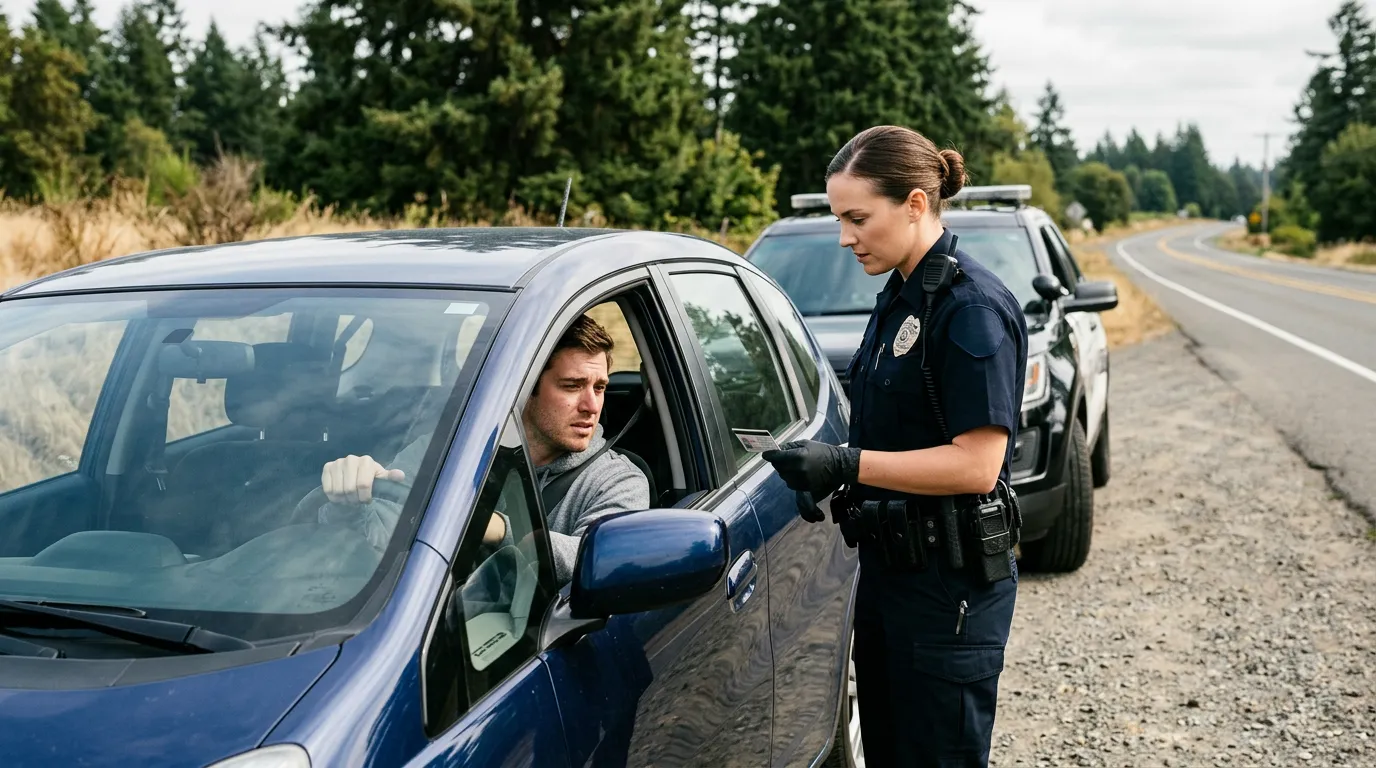
Installing window tint darker than your state’s cosmetic limits without proper documentation creates legal problems. Officers can cite you during routine traffic stops. The citation stands even if you claim a medical need verbally.
Traffic Stop Consequences for Illegal Cosmetic Tint
Officers use tint meters to measure visible light transmission during stops. If your tint exceeds state darkness limits, you get cited. You can’t talk your way out of it.
The officer will ask for your exemption certificate. No certificate means a citation. Some states allow officers to impound vehicles with extremely dark tint.
You might face additional scrutiny during the stop. Officers often check for other violations when they find illegal tint. This can turn a simple warning into multiple citations.
Insurance and Registration Implications
Insurance companies rarely raise rates for a single tint violation. However, multiple equipment violations create a pattern. This pattern affects your risk assessment and can increase premiums.
Repeated violations lead to higher fines. Some states place holds on vehicle registration. You can’t renew your registration until you resolve all outstanding citations.
Three or more violations within two years can result in registration suspension. This prevents you from legally operating your vehicle until you comply with all requirements.
How Tint Shops Handle Medical vs Cosmetic Installations
Tint shops treat medical and cosmetic installations differently. The process changes based on whether you have an approved exemption.
For cosmetic tint, shops install any darkness within state limits. No paperwork is needed. The invoice shows the VLT percentage as proof of compliance.
Medical tint requires documentation before installation. You must show your approved exemption paperwork. Shops won’t install darker tint based on verbal claims about medical conditions.
Shop Liability for Installing Tint Darker Than State Limits
Shops face serious penalties for illegal installations. Many states hold installers liable for tint violations.
Business license penalties and fines apply when shops install cosmetic tint darker than legal limits. These consequences protect consumers and enforce state laws.
Reputable shops refuse service without proper documentation. If you claim a medical condition but can’t show approved exemption paperwork, they’ll turn you away.
Documentation Requirements Before Medical Tint Installation
Shops must verify your exemption before starting work. They need to see the official approval from your state’s DMV or medical board.
Good shops copy your exemption paperwork for their records. This documentation proves the installation was legally authorized. It protects both you and the business.
Shops can’t help you get exemption paperwork. Only licensed physicians can certify medical necessity. The shop’s job is installation, not medical certification.
Enforcement Differences: How Police Distinguish Medical from Cosmetic Tint
Officers can’t tell medical from cosmetic tint by looking at it. Both appear dark. That’s why traffic stops for window tint follow a specific process. Officers use tools to measure tint darkness. Then they check for paperwork.
Tint Meters and VLT Measurement During Traffic Stops
When an officer suspects your windows are darker than legal limits, they use a tint meter. This device measures VLT percentage. VLT stands for Visible Light Transmission. Lower numbers mean darker tint.
The officer places the meter against your window. It reads the exact VLT percentage in seconds. If the reading falls below your state’s cosmetic tint VLT limits, you’ll need to show proof of exemption.
Most states set cosmetic limits around 35% VLT for front side windows. Medical exemptions often allow 20% VLT or darker. The meter tells the officer which category your tint falls into.
Burden of Proof Requirements for Medical Exemption Claims
You must produce physical documentation on the spot. Verbal claims don’t count. Officers need to see your medical window tint exemption certificate, permit, or physician letter right then.
The required documents vary by state:
-
Some states issue distinctive permits or dashboard stickers
-
Others require you to carry the signed physician letter
-
A few provide formal exemption certificates tied to your vehicle
If you can’t show documentation during the stop, you’ll get a citation. This happens even if you have a valid medical condition. The officer has no way to verify your claim without paperwork.
Officers don’t verify medical exemption validity at the roadside. They only check that your paperwork appears complete and current. The document must show your name, vehicle information, and physician signature. It must not be expired.
What Happens When Medical Exemption Expires
An expired exemption reclassifies your tint as illegal cosmetic tint. You can be cited the moment your exemption lapses. Officers don’t give grace periods for expired paperwork.
Start your renewal process 60 to 90 days before expiration. This gives you time to get physician recertification and DMV approval before your current exemption ends. A coverage gap means you’re driving with illegal tint until the renewal is approved.
Cosmetic tint within your state’s legal VLT limits requires no renewal. Once installed, it stays legal as long as it meets state standards. No permits. No ongoing documentation. No expiration dates to track.
Common Misconceptions About Medical Window Tint Legality
Here are the common misconceptions about medical window tint legality:
Myth: Any Medical Condition Justifies Darker Tint
Having a medical condition doesn’t automatically make darker tint legal. You need formal approval through your state’s exemption process.
The process requires documentation from a licensed physician. Your doctor must confirm your condition meets state-specific criteria for tint exemption.
Without this approval, darker tint stays illegal. Your medical diagnosis alone provides no legal protection.
Myth: Verbal Medical Explanation Prevents Citations
Explaining your medical condition to an officer won’t prevent a citation. You must carry proper documentation during traffic stops.
Officers need to see your approved exemption certificate. Verbal explanations hold no legal weight, even with a valid diagnosis.
Prescription sunglasses or UV-blocking contacts don’t substitute for window tint exemptions. These are separate medical solutions with no legal bearing on tint laws.
Myth: Medical Exemptions Are Recognized in All States
Medical exemptions are state-specific and don’t transfer across state lines. Your home state’s exemption typically isn’t valid elsewhere.
When driving out of state, you risk citations for illegal tint. Each state sets its own tint laws and exemption recognition policies.
Tint installed before getting exemption approval stays illegal. The exemption must be processed and approved first, then you can install compliant tint.
Online exemption certificates without licensed physician involvement aren’t legally valid anywhere. All states require proper medical documentation through licensed healthcare providers.
How Tinted MD Guarantees Your Tint Qualifies as Legal Medical Exemption
Tinted MD removes the guesswork from medical tint exemptions. The platform connects you with licensed physicians who understand state-specific requirements.
Licensed Physician Review in Your State
Every exemption goes through a physician licensed in your state. This matters because DMV offices only accept certifications from in-state providers.
The telehealth consultation replaces traditional doctor visits. You complete a medical questionnaire about your condition. A licensed physician reviews your case within hours. This process maintains full legal validity while cutting weeks from the timeline.
State-Compliant Documentation Prepared to DMV Standards
Your certification includes everything DMV requires. The physician provides your diagnosis with the proper ICD-10 code. They write a medical necessity statement explaining why you need darker tint. The paperwork specifies your recommended VLT percentage.
All required physician credentials appear on the document. This includes their license number and medical board information. DMV clerks verify these details before approving exemptions.
You receive completed paperwork digitally the same day. No waiting for mail delivery or scheduling follow-up appointments. The platform has processed over 100,000 certifications with a money-back guarantee. If your paperwork doesn’t get approved, you get a full refund.
This system eliminates the multi-week delays from traditional doctor visits. You can submit your exemption application within 24 hours of starting the process.
Conclusion
The legal difference between medical and cosmetic tint comes down to documentation. Medical tint requires physician certification, DMV approval, and proper exemption paperwork. Cosmetic tint must stay within your state’s VLT limits. No exceptions exist.
Installing dark tint without medical exemption creates illegal cosmetic tint. Officers will cite you. Your medical condition alone doesn’t justify darker windows. You need approved state medical exemption documentation that proves your condition qualifies under state law.
The medical exemption process protects drivers with legitimate photosensitivity conditions. These conditions cause documented harm from UV exposure during normal driving. Comfort and style preferences don’t qualify. Heat reduction doesn’t qualify. Privacy concerns don’t qualify.
If you have a qualifying condition, start the exemption process correctly. We connect you with licensed physicians who complete your medical window tint exemption paperwork. Same-day delivery means no rejected applications from incomplete forms.
Check your eligibility to get proper certification that meets DMV standards in your state.
Frequently Asked Questions
What makes window tint legally medical instead of cosmetic?
The paperwork makes tint legally medical, not the film itself. Medical tint requires state-issued authorization through a physician certificate or exemption letter. The tint film is identical whether installed for medical or cosmetic reasons. Without proper exemption documentation, any tint darker than state limits is classified as illegal cosmetic tint. You must carry this paperwork in your vehicle at all times. If stopped by law enforcement, you need to produce it on request. The legal classification depends entirely on documentation, not your medical condition or reason for wanting darker tint.
Can I install dark tint if I have a medical condition but no exemption paperwork?
No, you can't legally install dark tint without completing the exemption process first. Drivers with legitimate photosensitivity conditions still get ticketed when they skip the exemption process. Your medical condition alone doesn't protect you from citations. State law requires specific physician certification and DMV approval before you tint your windows. The reason you want darker tint doesn't matter. What matters is whether you followed the legal process. Even legitimate medical tint results in citations if you don't carry proper documentation during traffic stops.
What medical conditions qualify for window tint exemptions?
Qualifying conditions include lupus, photophobia, and albinism where shielding from the sun is medically required. Each state maintains similar standards for medical exemptions. Some states use specific condition lists. Others accept any physician-attested photosensitivity. The physician certification must include your diagnosis with ICD-10 code. It must also show the connection between your condition and the medical necessity of darker tint during vehicle operation. The exemption certificate or letter serves as your legal proof that darker tint is medically necessary for you to drive safely.
Why do drivers get citations even when they claim medical necessity?
Drivers face citations when they install dark tint for cosmetic reasons but claim medical necessity during traffic stops. Law enforcement can't verify medical claims without proper documentation. Medical window tint exemption requirements demand specific physician certification and DMV approval before installation. If you don't carry the exemption paperwork in your vehicle, officers treat your tint as illegal cosmetic modification. The distinction between medical and cosmetic tint isn't about your intentions. It's about following state law to convert a cosmetic modification into a legally protected medical accommodation through the proper approval process.
Does medical tint use different film than cosmetic tint?
No, the film itself can be identical for medical and cosmetic tint. Tint shops install the same window film products regardless of whether you have a medical exemption. The legal difference comes down to documentation, not darkness or film type. What separates legal medical tint from illegal cosmetic tint is the paperwork you carry and the approval process you complete before installation. Cosmetic tint must follow your state's legal VLT limits without exception. Medical tint allows you to go darker with proper authorization. The product is the same, but the legal classification depends entirely on your documentation.
What documentation must I carry to prove my tint is medical?
You must carry your state-issued exemption certificate or physician letter in your vehicle at all times. This documentation must connect your diagnosis to the medical necessity of darker tint during vehicle operation. Most states require you to produce this paperwork on request during traffic stops. Without it, even legitimate medical tint can result in a citation. The physician certification must include specific elements to meet state standards. These include your diagnosis with ICD-10 code and the connection between your condition and UV protection needs. The exemption certificate serves as your legal proof that your darker tint is medically authorized.

Meet the author
Anam Moin
I’m Anam Moin, a health-focused writer at TintedMD. I write about medical window tint exemptions, light-sensitive conditions, and state tint regulations, bringing together health and regulatory information in a reader-friendly way.
Get Your Medical Tint Exemption Online in Minutes
Check Your Eligibility