Join Our Waitlist For Colorado
Medical Window Tint Exemption
Sorry, We’re Not Available in Colorado right now
However, you can easily join our waitlist to be notified when booking appointments in your state become available.
Join our waitlist to be notified once we start accepting appointments in Colorado.
See What Our Customers Are Saying!
in DMV Window Tint Exemption evaluation.
Common Conditions That Qualify for
Medical Tint Exemption
Autoimmune Disorders
- Systemic Lupus Erythematosus (SLE)
- Discoid and Cutaneous Lupus
- Dermatomyositis (Classic/Juvenile)
- Scleroderma and Mixed Connective
- Other Photosensitive Autoimmune
Skin Disorders
- Total or Facial Vitiligo
- Chronic Actinic Dermatitis
- Photosensitive Eczema Types
- Solar Urticaria (Sun Allergy)
- Polymorphous Light Eruption
Eye Conditions
- Photophobia (Light Sensitivity)
- Cataracts and Glaucoma
- Macular Degeneration Issues
- Retinitis Pigmentosa Types
- Post-Surgery Light Sensitivity
Neurological Pain
- Chronic Migraines (Light-Triggered)
- Migraine-Associated Photophobia
- Cluster Headaches with Aura
- Post-Concussion Light Sensitivity
- Neurological Light Intolerance
Genetic Conditions
- Xeroderma Pigmentosum (XP Types)
- Oculocutaneous Albinism (OCA)
- Porphyria / Erythropoietic Proto
- Cockayne Syndrome Variants
- Bloom Syndrome and Related
Drug Photosensitivity
- Tetracycline Antibiotics (Doxy)
- Chemotherapy Medications
- Retinoids Like Isotretinoin
- NSAIDs and Diuretics
- Psychiatric/Cardiac Medications
Colorado: Everything You Need to Know
Colorado Window Tint Exemption Laws
Colorado's window tinting laws are governed under Colorado Revised Statute § 42-4-227. Unlike many other states, Colorado has never established a medical exemption program within its tint statute. All drivers, regardless of medical condition, must comply with the same standard tint limits under state law.
- Colorado window tint laws were originally codified in 1995 under CRS § 42-4-227 and last amended in 2021 under SB 21-271, effective March 1, 2022.
- There is no medical exemption provision anywhere in CRS § 42-4-227.
- No Colorado DMV form, waiver, or physician certification process exists for window tint exemptions.
- Violations are a Class B traffic infraction carrying fines ranging from $500 to $5,000 under CRS § 42-4-227.
- Installers who apply non-compliant tint commit a Class A traffic infraction under the same statute.
Policy Timeline
1994/1995 – Original Tint Law Codified
- Colorado's window tint statute is codified as CRS § 42-4-227, replacing the prior § 42-4-224. The law establishes VLT requirements for all vehicle windows. No medical exemption provision is included in the original text.
1995 – Enforcement Standards Established
- Colorado sets specific VLT minimums for front and rear windows, along with prohibitions on metallic and mirrored tint. Medical exemptions are again absent from the final framework.
2019 – HB19-1067 Amendment
- The legislature amends CRS § 42-4-227 with updated language. Penalty structures are refined but no medical exemption pathway is introduced despite growing awareness of photosensitive conditions.
2021 – SB 21-271 Updates Enforcement Provisions
- Governor Polis signs SB 21-271, updating enforcement provisions under CRS § 42-4-227, effective March 1, 2022. No medical exemption language is introduced in the final bill.
Present Day – No Exemption Program Exists
- Colorado remains one of the few high-altitude, high-UV-exposure states with no medical window tint exemption pathway. CRS § 42-4-227 contains no provision for physician certification or darker tint for photosensitive patients.
Legal Tint Limits
Colorado law sets specific tint limits under CRS § 42-4-227. Because no medical exemption program exists, these limits apply to all drivers without exception.
Standard Colorado Tint Limits:
- Windshield: Non-reflective tint permitted only on the top 4 inches. Must maintain at least 70% VLT. No material presenting a metallic or mirrored appearance is permitted.
- Front Side Windows: Must allow more than 27% VLT. No metallic or mirrored appearance permitted.
- Back Side Windows: Must allow more than 27% VLT for passenger cars. No VLT minimum for SUVs, vans, and pickup trucks.
- Rear Window: Must allow more than 27% VLT for passenger cars. No VLT minimum for SUVs, vans, and pickup trucks.
- Prohibited Colors: Red and amber tints are not permitted on any window.
- Reflectivity: No metallic or mirrored appearance is permitted on any window.
Why Do People Choose TintedMD?
100% Money-Back Guarantee
Flexible Payment Options
Fast Same-Day Processing
Licensed State Physicians Only
HIPAA Compliant & Secure
State-Approved Documentation
Don’t just take our word for it!
or connect with our licensed medical professionals today.
Benefits of Having Medical Tint Exemption
Legal Protection
Priority Access
UV Protection
All Windows Covered
FAQs
Why isn’t TintedMD available in Colorado?
Colorado's window tint statute CRS § 42-4-227 does not include a medical exemption provision. Because no legal pathway exists for physician-certified darker tint, TintedMD cannot currently provide certification services in the state.
Can I drive with darker tint in Colorado if I have a medical condition?
No. Colorado law makes no exception for medical conditions. All drivers must comply with the standard 27% VLT minimum on front and back side windows and 70% VLT on the windshield, regardless of any physician documentation.
What happens if I get pulled over for dark tint in Colorado?
Driving with non-compliant window tint in Colorado is a Class B traffic infraction under CRS § 42-4-227, with fines ranging from $500 to $5,000. Installers who apply non-compliant tint commit a Class A traffic infraction under the same statute.
Are there any legal alternatives for UV protection in Colorado without an exemption?
Yes. High-grade ceramic window film can be installed at Colorado's legal tint limits and still block up to 99% of harmful UV rays. While this does not allow for darker than permitted tint, it provides meaningful protection for photosensitive patients without risking a violation. For rear and back side windows, Colorado already permits any darkness level on SUVs, vans, and pickup trucks, offering significant coverage without any exemption required.
Why should I join the waitlist if there’s no program yet?
Colorado's law can change. Waitlist members will be the first notified when TintedMD launches in Colorado, ensuring you can get certified and legally protected as quickly as possible once a program is established.
Explore Colorado Hotspots
When You Get Your Medical Tint Exemption
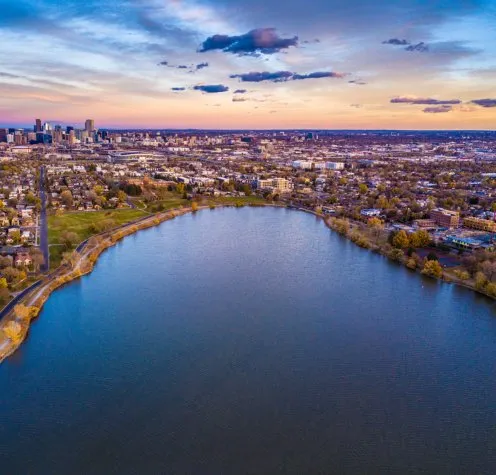
Denver
The Mile High City serves as the gateway to Rocky Mountain adventure with a thriving arts and craft beer scene. Explore vibrant neighborhoods, world-class museums, and stunning mountain views from downtown.
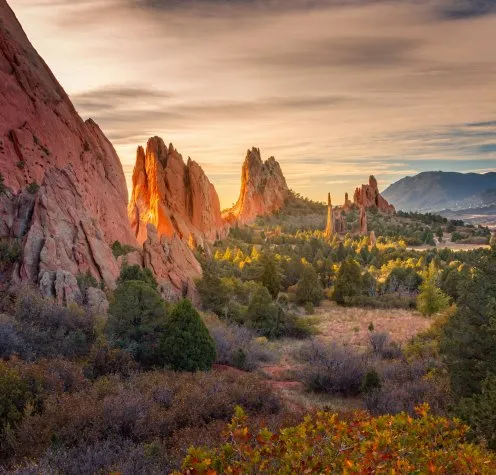
Colorado Springs
Nestled at the base of Pikes Peak, this stunning city offers Garden of the Gods and endless outdoor thrills. Discover Olympic training facilities, historic Manitou Springs, and breathtaking alpine scenery.