If you’re searching for information about what medical conditions qualify for window tint, you’re likely dealing with sun sensitivity or skin concerns that make driving uncomfortable or dangerous. Medical window tint exemptions exist to protect individuals whose health conditions require additional UV protection beyond standard automotive glass. This comprehensive guide covers qualifying medical conditions, symptoms to watch for, and how to determine if you’re eligible for a medical tint exemption.
Understanding Medical Window Tint Exemptions
Medical window tint exemptions allow individuals with specific health conditions to apply darker window tint than state laws typically permit. While most states regulate window tint darkness through Visible Light Transmission (VLT) percentages, those with qualifying medical conditions can receive special permits. Understanding what medical conditions qualify for window tint exemptions starts with recognizing how UV radiation and sunlight affect certain health conditions.
Standard automotive glass blocks some UV rays, but not enough to protect people with severe photosensitivity or autoimmune conditions. Medical exemptions typically allow tint as dark as 20-25% VLT on side windows and sometimes windshield tinting, providing crucial protection for vulnerable individuals.
What Medical Conditions Qualify for Window Tint? | Primary Medical Conditions

When determining what medical conditions qualify for window tint exemptions, healthcare providers and DMV officials typically recognize the following conditions:
Lupus (Systemic Lupus Erythematosus)
Lupus ranks among the most common conditions qualifying for medical window tint exemptions. This autoimmune disease causes extreme sensitivity to sunlight, with UV exposure triggering skin rashes, lesions, fatigue, and potentially dangerous flare-ups. According to the Lupus Foundation of America, up to 70% of people with lupus experience photosensitivity. Darker window tint provides essential protection for lupus patients who must drive regularly.
Albinism
Individuals with albinism have little to no melanin pigment in their skin, hair, and eyes, making them extremely vulnerable to UV damage and sunburn. This genetic condition qualifies for window tint exemptions in virtually all states because even brief sun exposure can cause severe discomfort and increase skin cancer risk. People with albinism often require the darkest legally permissible tint for safe vehicle operation.
Xeroderma Pigmentosum
This rare genetic disorder represents one of the most serious conditions when considering what medical conditions qualify for window tint. Xeroderma pigmentosum prevents the body from repairing DNA damage caused by UV radiation, dramatically increasing skin cancer risk. Individuals with this condition require maximum sun protection, and medical tint exemptions are typically granted without question. The National Cancer Institute classifies this as a high-priority condition requiring comprehensive UV protection.
Melanoma and Skin Cancer History
Individuals with a history of melanoma or other skin cancers frequently qualify for window tint medical exemptions. After skin cancer treatment, dermatologists strongly recommend minimizing UV exposure to prevent recurrence. Medical window tint provides an additional protective layer for cancer survivors who drive frequently, particularly in sunny climates.
Secondary Qualifying Medical Conditions
The following are the other qualifying medical conditions for window tint exemptions:
Photosensitivity Dermatitis and Chronic Actinic Dermatitis
These skin conditions cause abnormal reactions to sunlight, resulting in severe itching, redness, blistering, and chronic inflammation. Photosensitivity dermatitis qualifies for window tint exemptions because affected individuals experience painful reactions even through vehicle windows. Chronic actinic dermatitis, a more severe form, involves persistent skin inflammation from minimal sun exposure.
Dermatomyositis
This rare inflammatory disease affects muscles and skin, with characteristic rashes appearing on sun-exposed areas. Dermatomyositis patients often experience worsening symptoms with UV exposure, making medical window tint essential for disease management and comfort during travel.
Porphyria
Porphyria encompasses several rare disorders affecting the nervous system and skin. Certain types, particularly erythropoietic protoporphyria, cause extreme photosensitivity with painful burning sensations upon sun exposure. These conditions clearly qualify when determining what medical conditions qualify for window tint exemptions.
Drug-Induced Photosensitivity
Numerous medications cause photosensitivity as a side effect, including certain antibiotics, diuretics, anti-inflammatory drugs, and chemotherapy agents. When photosensitivity is severe and expected to be prolonged, patients may qualify for medical tint exemptions. New York specifically recognizes “severe drug photosensitivity provided that the course of treatment causing the photosensitivity is expected to be of prolonged duration.” Documentation from the prescribing physician detailing the medication, expected duration, and severity of photosensitivity is required.
Pellagra
Pellagra is a disease caused by niacin (vitamin B3) deficiency that results in severe photosensitivity along with dermatitis, diarrhea, and dementia. Individuals with pellagra experience painful skin reactions to sunlight and may qualify for medical window tint exemptions during treatment and recovery.
Erythropoietic Protoporphyria
A specific type of porphyria, erythropoietic protoporphyria causes extreme pain and burning sensations within minutes of sun exposure. This rare genetic disorder produces abnormal levels of protoporphyrin in red blood cells, making individuals extraordinarily sensitive to visible light. Medical window tint is considered essential protection for those with this condition.
Cockayne Syndrome and Bloom Syndrome
These rare genetic disorders cause extreme sensitivity to sunlight and significantly increase cancer risk. Both conditions involve DNA repair deficiencies, making UV protection through medical window tint not just beneficial but medically necessary. Cockayne syndrome causes premature aging and developmental issues, while Bloom syndrome dramatically increases skin cancer risk from sun exposure.
Severe Dry Eye Syndrome
While not automatically qualifying in all states, severe dry eye syndrome causing extreme photophobia may warrant medical exemption consideration. Patients should discuss with their ophthalmologist whether their symptoms are severe enough to meet state requirements for medical exemption.
Ophthalmic and Neurological Conditions
Severe Photophobia
Photophobia associated with ophthalmic conditions (cataracts, corneal disorders, retinal diseases) or neurological disorders (migraines, traumatic brain injury) can qualify for window tint exemptions. When light sensitivity severely impacts the ability to drive safely or comfortably, medical documentation supporting the need for darker tint is typically accepted. New York specifically recognizes “photophobia associated with an ophthalmic or neurological disorder” as a qualifying condition.
Migraine Disorders
Chronic migraine sufferers who experience light-triggered headaches may qualify for medical window tint exemptions in some states. Light sensitivity is a hallmark symptom of migraines, and excessive sunlight exposure through vehicle windows can trigger severe episodes.
Important California Restriction
California has a unique restriction: medically exempt window tint cannot be used during darkness/nighttime. This effectively means vehicles with medical exemption tint may be illegal to drive at night, potentially limiting the usefulness of the exemption for some drivers. Always clarify nighttime driving restrictions when applying for exemptions in California.
How Each Condition Qualifies: Medical Reasoning
Understanding the medical reasoning behind what medical conditions qualify for window tint helps clarify why certain conditions receive approval:
UV Protection Need: Conditions like lupus, xeroderma pigmentosum, and melanoma history qualify because UV radiation directly worsens these diseases or increases dangerous complications. Medical-grade window tint blocks up to 99% of harmful UV rays.
Symptom Prevention: Photosensitivity disorders qualify because darker tint prevents painful symptoms, skin damage, and disease flare-ups that occur with sunlight exposure through standard automotive glass.
Quality of Life: Conditions causing severe discomfort from light exposure qualify because medical exemptions restore the ability to travel safely and maintain independence.
Cancer Prevention: Genetic conditions increasing skin cancer risk qualify because darker window tint provides documented reduction in UV exposure during vehicle operation.
Do I Qualify? Self-Assessment Checklist
Use this checklist to evaluate whether you might qualify for a medical window tint exemption:
- ☐ Have you been diagnosed with lupus, albinism, or another autoimmune condition affecting skin?
- ☐ Do you experience severe sunburn, rashes, or pain from brief sun exposure?
- ☐ Has your dermatologist recommended avoiding UV exposure due to skin cancer history?
- ☐ Are you taking medications causing photosensitivity for extended periods?
- ☐ Do you have a genetic condition affecting DNA repair or pigmentation?
- ☐ Does driving during daylight cause severe discomfort, pain, or migraine attacks?
- ☐ Has your physician documented that sun exposure worsens your medical condition?
- ☐ Do you have an ophthalmic condition causing extreme light sensitivity?
If you answered yes to any of these questions, you may qualify for a medical window tint exemption. Consultation with your physician and reviewing your state’s specific requirements represents the next step.
Symptoms That Indicate You May Qualify
Recognizing symptoms that suggest you need medical window tint protection:
- Skin Reactions: Severe redness, rashes, blistering, or burning sensations within minutes of sun exposure through car windows
- Fatigue and Malaise: Extreme tiredness or feeling unwell after driving in daylight, particularly with autoimmune conditions
- Vision Problems: Severe light sensitivity causing squinting, tearing, or difficulty seeing while driving
- Pain Response: Burning or stinging sensations on exposed skin during vehicle operation
- Disease Flares: Noticeable worsening of underlying condition symptoms after sun exposure while driving
State-Specific Variations in Qualifying Conditions

While determining what medical conditions qualify for window tint generally follows similar patterns nationwide, important state-specific variations exist:
- New York: According to NY DMV medical exemptions, qualifying conditions include albinism, chronic actinic dermatitis/actinic reticuloid, dermatomyositis, lupus erythematosus, porphyria, xeroderma pigmentosum, severe drug photosensitivity (prolonged duration), photophobia associated with ophthalmic or neurological disorders, and any condition causing severe photosensitivity requiring protection from direct sunlight. Medical exemptions will not be granted if adequate protection can be provided by protective eyewear devices.
- California: California law allows medical exemptions under Vehicle Code Section 26708(b)(10) for individuals with medical conditions requiring protection from sunlight. The exemption requires a letter from a licensed physician and surgeon or optometrist certifying the person must be shaded from the sun. According to Vehicle Code Section 26708.2, sun screening devices for medical exemptions must have a minimum luminous transmittance of 35% VLT, be green, gray, or neutral smoke in color, and must be removable (not permanent film). Critical restriction: California Vehicle Code 26708(b)(10) explicitly states “The devices authorized by this paragraph shall not be used during darkness,” meaning medically exempt tint cannot be used at night. For windshield and other windows, Section 26708(e) allows clear, colorless, and transparent film with 88% minimum VLT if certified by a licensed dermatologist for medical UV protection. The exemption certificate must be carried in the vehicle at all times.
- Texas: Motorists needing darker tint than the standard 25% VLT requirement on front side windows due to a medical condition must obtain a signed medical exemption statement from a licensed physician or licensed optometrist. The statement should: (1) identify with reasonable specificity the driver or occupant of the vehicle, and (2) state that, in the physician’s or optometrist’s professional opinion, equipping the vehicle with sun-screening devices is necessary to safeguard the health of the driver or occupant. The signed medical exemption statement itself serves as proof of medical exception and must be carried in the vehicle at all times. No state-issued certificate is required. Texas does not specify which medical conditions qualify—any condition requiring protection from direct sun rays can qualify if attested by a physician or optometrist. Medical exemptions allow darker tint on front side windows and the upper portion of the front windshield (top 5 inches or above the AS-1 line, whichever is less).
- Florida: Issues exemptions through the Florida Department of Highway Safety and Motor Vehicles (FLHSMV) under section 316.29545, Florida Statutes. Qualifying conditions include lupus, albinism, porphyria, xeroderma pigmentosum, other autoimmune diseases requiring limited light exposure, and any medical condition requiring reduced UV and visible light exposure as documented by a licensed medical professional. The exemption certificate does not expire but is non-transferable and must be kept in the vehicle at all times. Form HSMV 83390 is required for application.
- Georgia: Requires physician/optometrist attestation and charges a $10 application fee. Medical exemptions require minimum 23% VLT (with 3% variance). The physician’s letter must explain why the condition can only be addressed by a 9% reduction of visible light, not just UV protection. Exemptions will not be granted if adequate protection can be provided by protective eyewear or standard tint that blocks 99.9% of UV light. Conditions based on family history alone are not eligible. Important: Making false statements on a Georgia medical exemption application is a felony offense.
- Arizona: Permits medical exceptions for vehicle owners or passengers who frequently travel in the vehicle. Any medical condition is eligible for window tint medical exemption if attested by a physician. Exemption allows darker tint on side windows and altering tint colors. The medical exemption does not include the front windshield.
- Arkansas: Allows exemptions for conditions including but not limited to albinism and lupus. Exemptions are valid for 3 years and must be renewed. The physical exemption certification must be carried in the vehicle at all times.
- Indiana: Medical reasons must be attested by a physician or optometrist licensed in Indiana. The certification must be carried in the vehicle and renewed annually. Exemptions are not given when sunglasses or other protective eye devices provide sufficient protection.
- Alaska: Allows medical exemptions for drivers or passengers who frequently travel in the vehicle. Exemptions must be renewed annually by anAlaska licensed physician, and certification must be carried in the vehicle at all times.
- Michigan: Allows medical exemptions for photosensitive or light-sensitive individuals. Owner or operator must have a letter signed by a licensed physician in the vehicle. Special window treatments must not interfere with driver’s vision.
- Hawaii: Does not currently have regulations allowing medical exemptions for tinted windows.
- Iowa: Since July 2012, Iowa does not permit darker tint due to medical reasons. Windows may have down to 35% VLT only if darkened due to medical condition prior to July 4, 2012.
Always verify your state’s current requirements through official DMV websites, as regulations and qualifying condition lists are updated periodically. Get legal exemption for window tinting with state-specific requirements and state’s particular process.
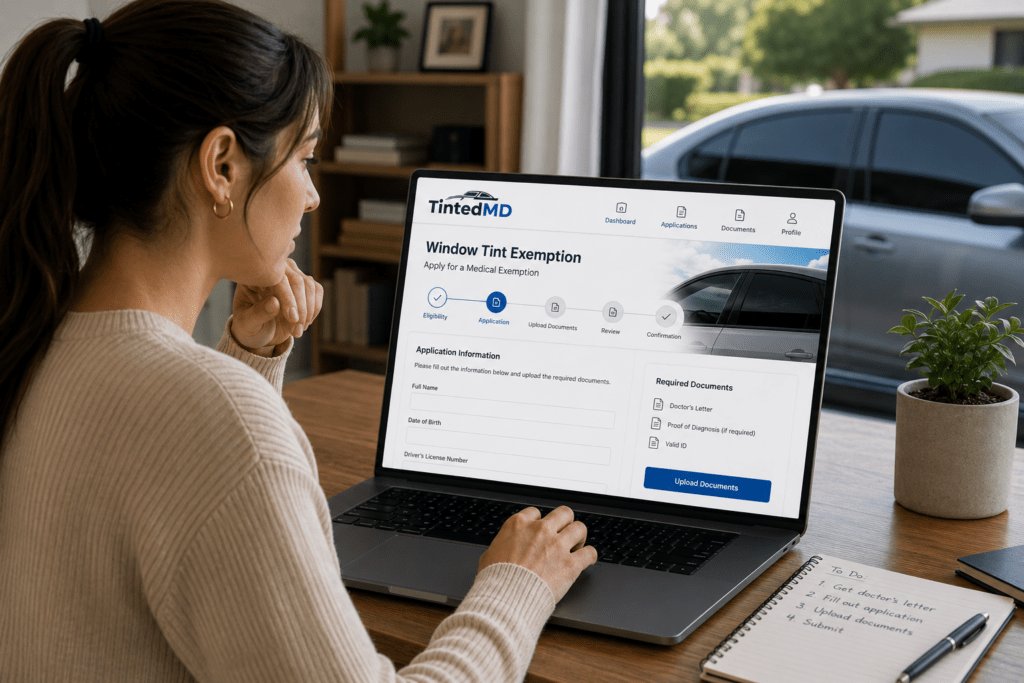
The Application Process: Getting Your Medical Exemption
Once you’ve confirmed that your condition qualifies, follow these steps:
- Physician Consultation: Schedule an appointment with your treating physician to discuss medical window tint necessity. Many doctors have never written these certificates, so bring a copy of your state’s vehicle code section regarding medical exemptions to help guide them.
- Medical Documentation: Obtain a signed letter on official letterhead detailing your diagnosis, symptoms, medical need for darker tint, and recommended VLT percentage. The letter should specify whether your condition is permanent or temporary.
- State Application: Complete your state’s specific medical exemption application form (usually available on the DMV website). Some states like Florida use Form HSMV 83390, while Georgia uses their specific medical exemption form with a $10 fee.
- Submit Documentation: File the application with required medical documentation to your state’s motor vehicle department. In some states like Georgia, the physician must mail the documentation directly from their medical office.
- Wait for Approval: Processing time varies by state, from a few weeks to several months. Do not install tint before receiving approval, as exemptions don’t work retroactively.
- Receive Approval: Upon approval, you’ll receive an exemption certificate, decal, or sticker to display in your vehicle. Some states provide unique identification numbers.
- Professional Installation: Have medical-grade tint professionally installed by certified technicians who understand your exemption’s exact VLT requirements.
Important Exemption Rules and Limitations
Renewal Requirements: Exemption renewal varies significantly by state. Alaska and Indiana require annual renewal. Arkansas exemptions are valid for 3 years. Indiana certificates must be renewed every 4 years. Florida exemptions do not expire but can be changed or revoked if laws change. Always check your state’s renewal requirements.
Non-Transferability: Medical exemptions are typically issued to individuals, not vehicles. If you sell your vehicle, the exemption does not transfer to the new owner. However, in some states like Idaho, exemptions are given to persons, meaning any vehicle you travel in can have the approved tint levels.
Multi-Vehicle Coverage: If you have multiple vehicles, most states require separate applications for each vehicle. Some states may allow one exemption to cover multiple vehicles you own.
Interstate Travel: Your state’s medical exemption is not valid in other states. If you frequently travel across state lines, you may face citations in states that don’t recognize out-of-state exemptions or have different tint laws.
Medical Documentation Requirements
Your physician’s letter should include:
- Your full name and date of birth
- Specific medical diagnosis
- Explanation of how UV exposure affects your condition
- Recommended tint darkness level (VLT percentage)
- Physician’s signature, medical license number, and contact information
- Statement that the condition is expected to be permanent or prolonged
Conclusion
Understanding what medical conditions qualify for window tint exemptions empowers individuals with photosensitive conditions to seek necessary protection. From lupus and albinism to rare genetic disorders and medication-induced photosensitivity, numerous conditions justify darker window tint for health reasons. If you’re experiencing symptoms of photosensitivity or have been diagnosed with a qualifying condition, consult your physician about medical window tint exemptions.
Frequently Asked Questions
What medical conditions automatically qualify for window tint exemptions?
Conditions like albinism, xeroderma pigmentosum, lupus, severe melanoma history, and porphyria typically receive automatic approval due to their well-documented photosensitivity and UV damage risk.
Can I get a window tint exemption for anxiety or PTSD?
While anxiety and PTSD aren’t typically listed among standard qualifying conditions for what medical conditions qualify for window tint, some states may grant exemptions if a psychiatrist or licensed mental health professional documents that darker tint is medically necessary for your mental health treatment and safety. Each state evaluates these cases individually.
How dark can medical exemption tint be?
Darkness levels vary significantly by state. Most states allow medical exemptions down to 20-25% VLT on side windows. Georgia requires minimum 23% VLT with a 3% variance. California typically allows 35% VLT instead of the standard 70% requirement. Some states permit limited windshield tint (usually 70% VLT or lighter) with medical exemptions. The exact percentage must match what your physician specifies in your medical documentation—installing darker tint than approved violates your exemption terms.
Do medical tint exemptions expire?
Expiration policies vary widely by state. Alaska and Indiana require annual renewal. Arkansas exemptions are valid for 3 years. Indiana certificates expire after 4 years. Florida exemptions do not expire but can be revoked if laws change or the vehicle is sold. States issuing exemptions for permanent conditions may not require renewal, while temporary photosensitivity conditions typically have expiration dates. Always verify your state’s specific renewal requirements.
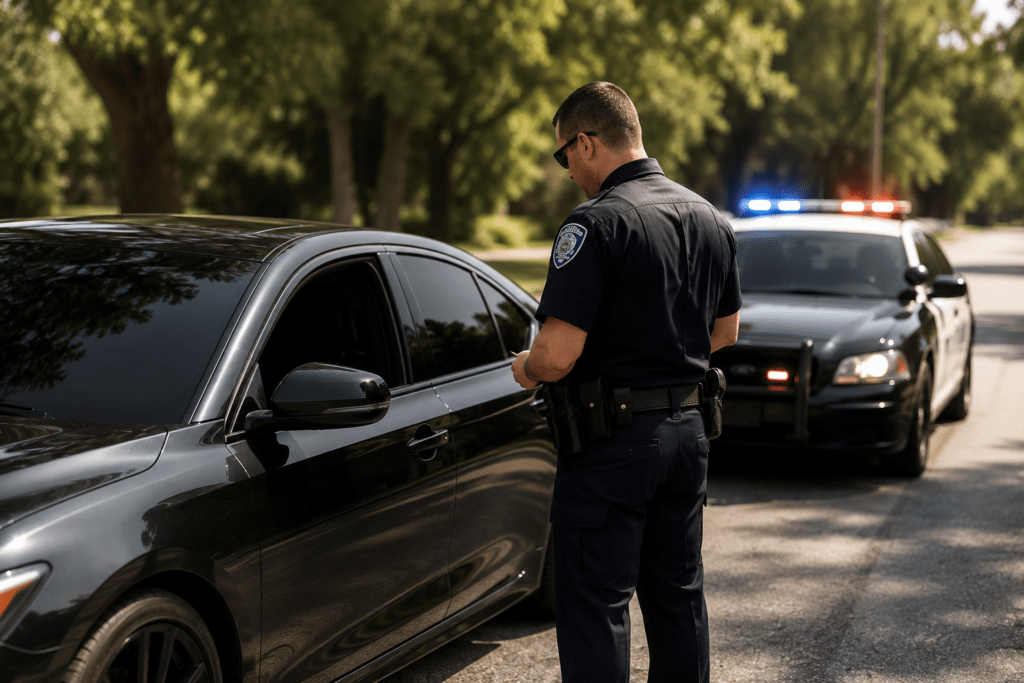
Can I be pulled over with medical exemption tint?
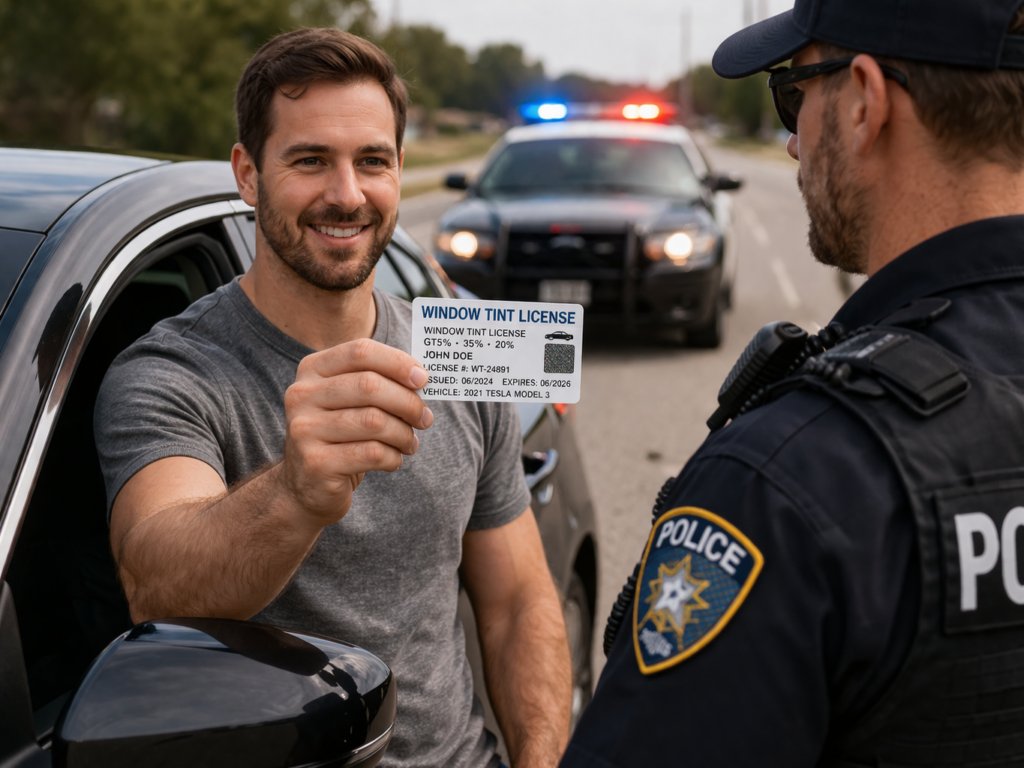
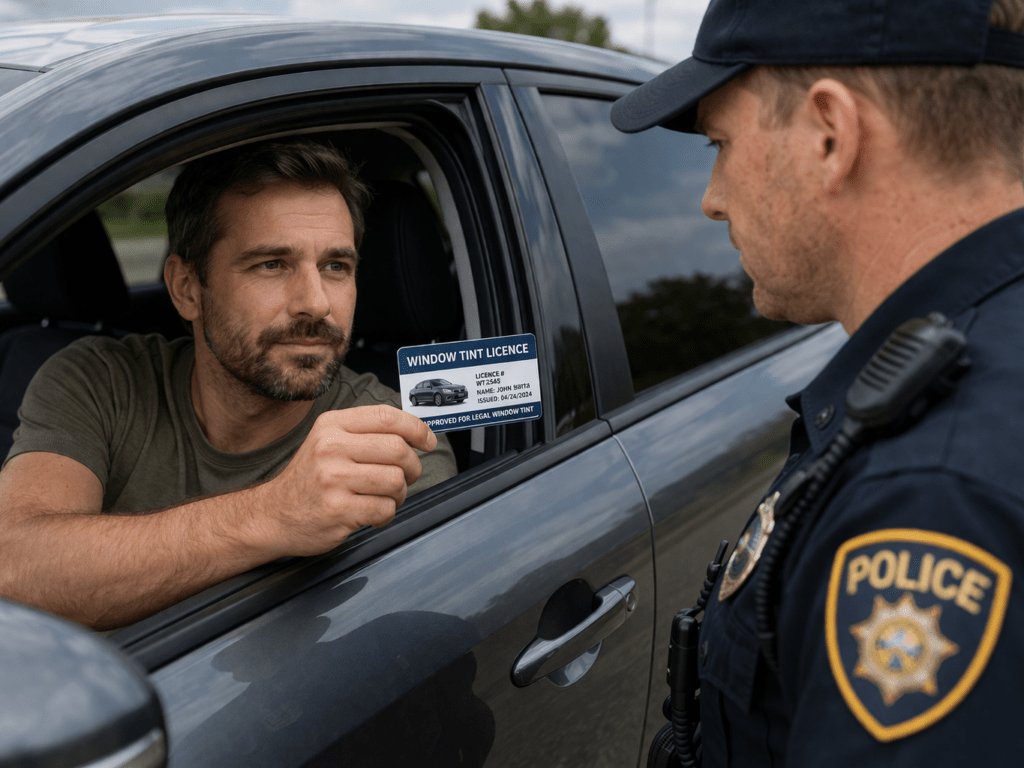
Yes, law enforcement may stop you if your windows appear darker than legal limits. However, displaying your valid exemption certificate should resolve the issue. Always keep your original medical documentation and exemption certificate in your vehicle. In some cases, you may still receive a citation, but presenting valid exemption documentation in court typically results in dismissal. Note that exemptions don’t prevent officers from conducting stops—they only provide legal justification for the darker tint.
Does insurance cover medical window tint?
Most health insurance plans do not cover window tinting costs. However, Health Savings Accounts (HSA) or Flexible Spending Accounts (FSA) may allow using pre-tax funds for medical-grade tint with proper physician documentation. Check with your HSA/FSA administrator and keep all receipts and medical documentation for tax purposes.
Can I apply for exemption after getting tint installed?
No, most states require approval before installation. Installing illegal tint first may complicate your application, result in citations, and could be viewed as attempting to circumvent the law. The exemption doesn’t work retroactively—officers won’t accept that your “application is in process” when writing citations. Always receive approval before installing darker tint.
What happens if I move to another state with my exemption?
You’ll typically need to reapply for exemption in your new state of residence, as exemptions generally aren’t transferable across state lines. Each state has different qualifying conditions, approval processes, and tint darkness limits. Some states like Hawaii and Iowa don’t offer medical exemptions at all, meaning you’d need to remove non-compliant tint or face citations.
Can children qualify for medical window tint exemptions?
Yes, minors with qualifying medical conditions can receive exemptions with proper parental or guardian consent and physician documentation. The application process is the same, though parents/guardians complete the paperwork on behalf of the child. This is particularly common for children with albinism, xeroderma pigmentosum, or severe photosensitivity conditions.
How long does the approval process take?
Processing time varies significantly by state and current processing volumes, ranging from a few weeks to several months. Submit applications well in advance of when you need the tint installed. Some states offer expedited processing for severe medical conditions. Never install tint while waiting for approval, as this can result in citations and potentially jeopardize your application.
What if my doctor doesn’t know about tint exemptions?
Many physicians have never written medical window tint exemption certificates. Provide your physician with your state’s specific vehicle code section and exemption form. Print out the exact requirements and bring them to your appointment. Explain the medical necessity clearly—most doctors readily support patients with legitimate photosensitivity concerns once they understand the process and requirements.
Can I tint my windshield with a medical exemption?
Windshield tinting rules vary by state. Some states allow limited windshield tinting (typically 70% VLT or lighter) above the AS-1 line with medical exemptions. Arizona specifically excludes windshields from medical exemptions. California allows only clear, colorless, transparent film on windshields. Other states prohibit windshield tint regardless of medical condition. Check your state’s specific windshield regulations before applying tint.
Are there conditions that automatically disqualify me from exemptions?
Yes. Georgia and New York specifically state that exemptions will not be granted if adequate protection can be provided by protective eyewear (prescription or non-prescription sunglasses). Georgia also denies exemptions for conditions based solely on family history without active symptoms. Some states require that the condition cannot be adequately managed with standard legal tint that blocks 99.9% of UV light. If your photosensitivity is mild or manageable with other protective measures, you may not qualify.
What happens if I exceed the VLT percentage specified in my exemption?
Installing tint darker than specified in your medical exemption violates the terms of your exemption and subjects you to citations. The exemption only protects the exact percentage your medical provider determined necessary. If your doctor approved 35% VLT but the shop installed 20% because “it looks better,” you’ve violated your exemption and can be ticketed. Always ensure your installer follows your exemption’s exact specifications.