Window Tint Laws by State: Complete Medical Exemption Requirements Guide
 by Nida Hammad
 Last updated:
Medically reviewed by:
Dr. Matthew Reynolds, MD


Understanding Window Tint Laws by State and Medical Exemptions
Window tint laws by state are essential regulations designed to balance driver safety, visibility, law enforcement needs, and personal comfort. Understanding window tint laws by state and medical window tint exemption requirements is crucial for anyone considering darker tints for health reasons or aesthetic preferences. Every state in the United States has unique regulations governing how dark vehicle windows can be tinted, measured by Visible Light Transmission (VLT) percentages.
The legal tint percentage by state varies dramatically across the country. Washington State permits the darkest front windows at 24% VLT minimum, while states like California, New York, Pennsylvania, Rhode Island, and New Jersey require 70% VLT or prohibit aftermarket tint entirely on front windows. These variations reflect different state priorities regarding road safety, law enforcement visibility, climate conditions, and public safety concerns.
For individuals suffering from photosensitive conditions, autoimmune diseases, or skin disorders, standard tint limits may not provide adequate protection from harmful UV rays and visible light. This is where state window tint exemption laws become critical, offering legal pathways to enhanced sun protection while maintaining minimum road safety standards.
What is VLT (Visible Light Transmission)?
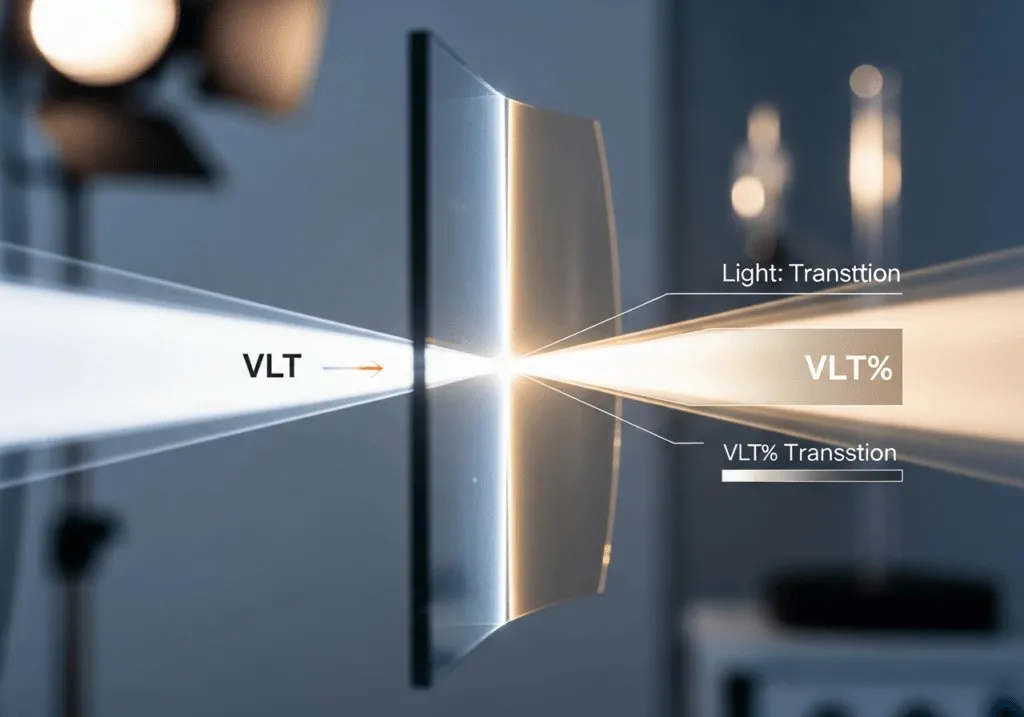
Visible Light Transmission (VLT) is the cornerstone measurement for understanding window tint laws by state. VLT refers to the exact percentage of visible light that can pass through your vehicle’s windows after tint application.
Lower VLT = Darker Tint:
-
20% VLT = Only 20% of light passes through (very dark)
-
50% VLT = 50% of light passes through (medium tint)
-
70% VLT = 70% of light passes through (light tint)
Law enforcement officers use calibrated tint meters during traffic stops to measure VLT precisely. These devices provide exact measurements determining whether your tint complies with state regulations. Understanding VLT is essential because it directly impacts your eligibility for medical exemptions and helps you avoid costly window tint tickets with medical condition requirements.
Important: Most states calculate VLT based on the combined light transmission of both the factory glass AND the aftermarket tint film. Since automotive glass naturally blocks some light (typically 70-75% transmission), adding aftermarket tint reduces total VLT further.
Before checking your state’s rules below, you can apply for a medical tint exemption in just a few minutes.
Complete State-by-State Medical Window Tint Exemption Laws (All 50 States + DC)
Medical Window Tint Exemption ALABAMA - Laws Enacted 1991
Sedans:
-
Windshield: Non-reflective tint on top 6 inches
-
Front Side Windows: 32%+ VLT required
-
Back Side Windows: 32%+ VLT required
-
Rear Window: 32%+ VLT required
SUVs/Vans:
-
Windshield: Non-reflective tint on top 6 inches
-
Front Side Windows: 32%+ VLT required
-
Back Side Windows: Any darkness allowed
-
Rear Window: Any darkness allowed
Additional Requirements:
-
Reflectivity: Not specified
-
Restricted Colors: Not specified
-
Side Mirrors: Required if back window tinted
-
Medical Exemption: YES (ALEA issues exemptions, unique ID decal required)
All Vehicles:
-
Windshield: Non-reflective tint on top 5 inches
-
Front Side Windows: 70%+ VLT required
-
Back Side Windows: 40%+ VLT required
-
Rear Window: 40%+ VLT required
Additional Requirements:
-
Tint Variance: 3% allowed
-
Reflectivity: Not specified
-
Medical Exemption: YES (Annual renewal by Alaska-licensed physician required)
All Vehicles:
-
Windshield: Non-reflective tint above AS-1 line
-
Front Side Windows: 33%+ VLT required
-
Back Side Windows (Sedans): 33%+ VLT required
-
Back Side Windows (SUVs/Vans): Any darkness
-
Rear Window (Sedans): 33%+ VLT required
-
Rear Window (SUVs/Vans): Any darkness
Additional Requirements:
-
Reflectivity: Maximum 35% reflective
-
Restricted Colors: Red and amber prohibited
-
Side Mirrors: Required if back window tinted
-
Medical Exemption: YES (Letter to ADOT Medical Review Program; allows 50% windshield, 20% side windows, 10% rear window VLT; valid 3 years)
Medical Window Tint Exemption ARKANSAS - Laws Enacted 1993
Sedans:
-
Windshield: Non-reflective tint on top 5 inches
-
Front Side Windows: 25%+ VLT required
-
Back Side Windows: 25%+ VLT required
-
Rear Window: 10%+ VLT required
SUVs/Vans:
-
Windshield: Non-reflective tint on top 5 inches
-
Front Side Windows: 25%+ VLT required
-
Back Side Windows: 10%+ VLT required
-
Rear Window: 10%+ VLT required
Additional Requirements:
-
Reflectivity: Maximum 25% reflective
-
Restricted Colors: Not specified
-
Side Mirrors: Required if back window tinted
-
Medical Exemption: YES
CALIFORNIA - Laws Enacted 1999
All Vehicles:
-
Windshield: Non-reflective tint on top 4 inches ONLY
-
Front Side Windows: Aftermarket film 88%+ VLT, OR 70%+ VLT if combined with factory tint
-
Back Side Windows: Any darkness allowed
-
Rear Window: Any darkness allowed
Additional Requirements:
-
Restricted Colors: Red, amber, blue prohibited; side windows must be colorless
-
Side Mirrors: Required if rear window tinted
-
Certificates Required: YES (manufacturer + installer)
-
Stickers Required: YES
-
Medical Exemption: YES (Typically allows 20%-35% VLT vs standard 70%; physician prescription required; clear UV film only on windshield)
-
Qualifying Conditions: Photosensitivity (lupus, dermatomyositis, rosacea, dermatitis), melanoma/skin cancer, albinism, photophobia
All Vehicles:
-
Windshield: Non-reflective 70% VLT tint on top 4 inches
-
Front Side Windows: 27%+ VLT required
-
Back Side Windows: 27%+ VLT required (OR any darkness if front/windshield 70%+ VLT)
-
Rear Window: 27%+ VLT required (OR any darkness if front/windshield 70%+ VLT)
Additional Requirements:
-
Reflectivity: No metallic or mirrored appearance
-
Restricted Colors: Red and amber prohibited
-
Side Mirrors: Required if back window tinted
-
Medical Exemption: NO - Colorado does NOT permit medical exemptions
-
Penalties: Class B traffic infraction or misdemeanor, $500-$5,000 fine
Medical Window Tint Exemption CONNECTICUT - Laws Enacted 1994
Sedans:
-
Windshield: Non-reflective tint above AS-1 line
-
Front Side Windows: 35%+ VLT required
-
Back Side Windows: 35%+ VLT required
-
Rear Window: Any darkness
SUVs/Vans:
-
Windshield: Non-reflective tint above AS-1 line
-
Front Side Windows: 35%+ VLT required
-
Back Side Windows: Any darkness
-
Rear Window: Any darkness
Additional Requirements:
-
Reflectivity: Not specified
-
Restricted Colors: Not specified
-
Medical Exemption: YES (Minimum 20% VLT permitted; validated form must be in vehicle)
Medical Window Tint Exemption DELAWARE - Laws Enacted 1996
All Vehicles:
-
Windshield: Non-reflective tint above AS-1 line
-
Front Side Windows: NO AFTERMARKET TINT (only factory 70%+ VLT permitted)
-
Back Side Windows: Any darkness
-
Rear Window: Any darkness
Additional Requirements:
-
Reflectivity: Not specified
-
Side Mirrors: Required if back window tinted
-
Medical Exemption: YES (Form MV495 - request at DMV facility; form no longer online)
Medical Window Tint Exemption FLORIDA - Laws Enacted 1991
Sedans:
-
Windshield: Non-reflective tint above AS-1 line
-
Front Side Windows: 28%+ VLT required
-
Back Side Windows: 15%+ VLT required
-
Rear Window: 15%+ VLT required
SUVs/Trucks:
-
Windshield: Non-reflective tint above AS-1 line
-
Front Side Windows: 28%+ VLT required
-
Back Side Windows: 6%+ VLT required
-
Rear Window: 6%+ VLT required
Additional Requirements:
-
Restricted Colors: NO colored tint permitted
-
Side Mirrors: Required if back windows tinted
-
Sticker Required: YES (driver’s side door jamb)
-
Medical Exemption: YES (Form HSMV 83390; $6.25 fee; NO expiration; non-transferable)
-
Qualifying Conditions: Lupus, dermatomyositis, albinism, vitiligo, xeroderma pigmentosum, autoimmune diseases
All Vehicles:
-
Windshield: Non-reflective tint on top 6 inches
-
Front Side Windows: 32%+ VLT required
-
Back Side Windows: 32%+ VLT required
-
Rear Window: 32%+ VLT required
Additional Requirements:
-
Restricted Colors: Red and amber prohibited
-
Tint Variance: 3% allowed
-
Certificates Required: YES
-
Medical Exemption: YES ($10 fee; minimum 23% VLT with 3% variance; NOT granted if eyewear provides adequate protection)
-
Penalties: Misdemeanor, up to $1,000 fine + 12 months imprisonment
Medical Window Tint Exemption HAWAII - Laws Enacted 1994
All Vehicles:
-
Windshield: Non-reflective tint on top 4 inches
-
Front Side Windows: 35%+ VLT required
-
Back Side Windows (Sedans): 35%+ VLT required
-
Back Side Windows (SUVs/Vans): Any darkness
-
Rear Window (Sedans): 35%+ VLT required
-
Rear Window (SUVs/Vans): Any darkness
Additional Requirements:
-
Reflectivity: Not specified
-
Side Mirrors: Required if back window tinted
-
Certificate Required: YES (installer must issue)
-
Medical Exemption: NO - Hawaii does NOT currently allow medical exemptions
All Vehicles:
-
Windshield: Non-reflective tint above AS-1 line or top 6 inches
-
Front Side Windows: 35%+ VLT required
-
Back Side Windows: 20%+ VLT required
-
Rear Window: 35%+ VLT required
Additional Requirements:
-
Reflectivity: Maximum 35% reflective
-
Restricted Colors: Red, green, amber prohibited
-
Side Mirrors: Required if rear window tinted
-
Medical Exemption: YES (70% windshield, 20% other windows with physician verification)
Complex Rules:
-
Windshield: Non-reflective tint above AS-1 line
-
Option 1: 35% VLT on all windows (except windshield)
-
Option 2: Any darkness on all windows behind driver IF front side windows NOT tinted
-
Option 3: Front side windows 50% VLT, but ONLY if no window behind driver tinted under 30% VLT
-
Factory tint rule: If ANY back window has factory tint, front side windows must have 50%+ VLT
Additional Requirements:
-
Reflectivity: Must be non-reflective
-
Tint Variance: 5%
-
Side Mirrors: Required if back window tinted
-
Medical Exemption: YES
-
Penalties: $50-$500 fine; repeat = Class C misdemeanor ($100-$500)
All Vehicles:
-
Windshield: Non-reflective tint above AS-1 line
-
Front Side Windows: 30%+ VLT required
-
Back Side Windows: 30%+ VLT required
-
Rear Window: 30%+ VLT required
Additional Requirements:
-
Reflectivity: Maximum 25% reflective
-
Side Mirrors: Required if back window tinted
-
Medical Exemption: YES (Annual renewal by Indiana-licensed physician/optometrist required)
All Vehicles:
-
Windshield: Must allow 70%+ light
-
Front Side Windows: Must allow 70%+ light
-
Back Side Windows: Any darkness
-
Rear Window: Any darkness
Additional Requirements:
-
Reflectivity: Not excessive (not specific)
-
Side Mirrors: Required if back window tinted
-
Medical Exemption: NO (Since July 2012; pre-2012 exemptions with DOT form #432020 still valid)
All Vehicles:
-
Windshield: Non-reflective tint above AS-1 line
-
Front Side Windows: 35%+ VLT required
-
Back Side Windows: 35%+ VLT required
-
Rear Window: 35%+ VLT required
Additional Requirements:
-
Reflectivity: Maximum 35% reflective
-
Restricted Colors: Red and amber prohibited
-
Side Mirrors: Required if back window tinted
-
Medical Exemption: NO - Kansas makes no exemptions for special tint
Sedans:
-
Windshield: Non-reflective tint above AS-1 line
-
Front Side Windows: 35%+ VLT required
-
Back Side Windows: 18%+ VLT required
-
Rear Window: 18%+ VLT required
SUVs/Vans:
-
Windshield: Non-reflective tint above AS-1 line
-
Front Side Windows: 35%+ VLT required
-
Back Side Windows: 8%+ VLT required (NOTE: Very dark)
-
Rear Window: 8%+ VLT required
Additional Requirements:
-
Reflectivity: Not specified
-
Side Mirrors: Required if back window tinted
-
Medical Exemption: YES
Medical Window Tint Exemption LOUISIANA - Laws Enacted 1993
Sedans:
-
Windshield: Non-reflective tint above AS-1 line or top 5 inches
-
Front Side Windows: 40%+ VLT required
-
Back Side Windows: 25%+ VLT required
-
Rear Window: 12%+ VLT required
SUVs/Vans:
-
Windshield: Non-reflective tint above AS-1 line or top 5 inches
-
Front Side Windows: 40%+ VLT required
-
Back Side Windows: Any darkness
-
Rear Window: Any darkness
Additional Requirements:
-
Reflectivity: Maximum 20% reflective
-
Side Mirrors: Required if rear window tinted
-
Medical Exemption: YES (Conditions: albinism, lupus, porphyria, photophobia; special decal from Dept of Public Safety)
Sedans:
-
Windshield: Non-reflective tint above AS-1 line or top 5 inches
-
Front Side Windows: 35%+ VLT required
-
Back Side Windows: 35%+ VLT required (no restriction with dual mirrors)
-
Rear Window: 35%+ VLT required (no restriction with dual mirrors)
SUVs/Vans:
-
Windshield: Non-reflective tint above AS-1 line or top 5 inches
-
Front Side Windows: 35%+ VLT required
-
Back Side Windows: Any darkness
-
Rear Window: Any darkness
Additional Requirements:
-
Reflectivity: Not specified
-
Side Mirrors: Dual mirrors allow darker rear tint
-
Medical Exemption: YES
Medical Window Tint Exemption MARYLAND - Laws Enacted 1999
All Vehicles:
-
Windshield: Non-reflective 35% VLT on AS-1 line or top 5 inches
-
Front Side Windows: 35%+ VLT required
-
Back Side Windows: 35%+ VLT required
-
Rear Window: 35%+ VLT required
Additional Requirements:
-
Restricted Colors: Red, yellow, amber prohibited
-
Side Mirrors: Required if back window tinted
-
Certificates Required: YES
-
Medical Exemption: YES
-
Penalties: Traffic offense + SERO (Safety Equipment Repair Order)
MASSACHUSETTS - Laws Enacted 1985
All Vehicles:
-
Windshield: Non-reflective tint on AS-1 line or top 6 inches
-
Front Side Windows: 35%+ VLT required
-
Back Side Windows: 35%+ VLT required
-
Rear Window: 35%+ VLT required
Additional Requirements:
-
Reflectivity: Maximum 35% reflective
-
Restricted Colors: Not specified
-
Side Mirrors: Required if rear window tinted
-
Medical Exemption: YES
All Vehicles:
-
Windshield: Tint allowed ONLY on top 4 inches
-
Front Side Windows: Tint allowed ONLY on top 4 inches (NO tint on main window area)
-
Back Side Windows: Any darkness
-
Rear Window: Any darkness
Additional Requirements:
-
Reflectivity: Maximum 35% reflective
-
Restricted Colors: Silver and gold prohibited
-
Side Mirrors: Required if rear windshield obstructed
-
Medical Exemption: YES (Letter from licensed physician; less than 35% reflection; no minimum darkness specified)
Sedans:
-
Windshield: NO TINT allowed
-
Front Side Windows: 50%+ VLT required
-
Back Side Windows: 50%+ VLT required
-
Rear Window: 50%+ VLT required
SUVs/Vans:
-
Windshield: NO TINT allowed
-
Front Side Windows: 50%+ VLT required
-
Back Side Windows: Any darkness
-
Rear Window: Any darkness
Additional Requirements:
-
Reflectivity: Maximum 20% reflective
-
Tint Variance: 3%
-
Medical Exemption: YES
MISSISSIPPI - Laws Enacted 2001
Sedans:
-
Windshield: Non-reflective tint above AS-1 line
-
Front Side Windows: 28%+ VLT required
-
Back Side Windows: 28%+ VLT required
-
Rear Window: 28%+ VLT required
SUVs/Vans:
-
Windshield: Non-reflective tint above AS-1 line
-
Front Side Windows: 28%+ VLT required
-
Back Side Windows: Any darkness
-
Rear Window: Any darkness
Additional Requirements:
-
Reflectivity: Not specified
-
Side Mirrors: Required if back window tinted
-
Medical Exemption: YES (Form from Commissioner of Public Safety; must be on dashboard; contact MS Dept of Public Safety)
All Vehicles:
-
Windshield: Non-reflective tint above AS-1 line
-
Front Side Windows: 35%+ VLT required
-
Back Side Windows: Any darkness
-
Rear Window: Any darkness
Additional Requirements:
-
Reflectivity: Not specified
-
Side Mirrors: Required if rear window tinted
-
Medical Exemption: YES (Highway Patrol issues permits; physician prescription to local Highway Patrol HQ)
Sedans:
-
Windshield: Non-reflective tint above AS-1 line
-
Front Side Windows: 24%+ VLT required
-
Back Side Windows: 14%+ VLT required
-
Rear Window: 14%+ VLT required
SUVs/Vans:
-
Windshield: Non-reflective tint above AS-1 line
-
Front Side Windows: 24%+ VLT required
-
Back Side Windows: Any darkness
-
Rear Window: Any darkness
Additional Requirements:
-
Reflectivity: Not specified
-
Side Mirrors: Required if rear window tinted
-
Medical Exemption: YES
Sedans:
-
Windshield: Non-reflective tint above AS-1 line
-
Front Side Windows: 35%+ VLT required
-
Back Side Windows: 20%+ VLT required
-
Rear Window: 20%+ VLT required
SUVs/Vans:
-
Windshield: Non-reflective tint above AS-1 line
-
Front Side Windows: 35%+ VLT required
-
Back Side Windows: Any darkness (interpretation varies)
-
Rear Window: Any darkness (interpretation varies)
Additional Requirements:
-
Reflectivity: Maximum 35% reflective
-
Restricted Colors: Red, amber, yellow prohibited on windshield
-
Medical Exemption: NO - Not specified in statutes
Medical Window Tint Exemption NEVADA - Laws Enacted 1993
All Vehicles:
-
Windshield: Non-reflective tint above AS-1 line
-
Front Side Windows: 35%+ VLT required
-
Back Side Windows: Any darkness
-
Rear Window: Any darkness
Additional Requirements:
-
Restricted Colors: Red and amber prohibited
-
Tint Variance: 7% allowed
-
Side Mirrors: Required if back window tinted
-
Certificates Required: YES
-
Medical Exemption: YES (Maximum 20% VLT approved; Form DO-200)
NEW HAMPSHIRE - Laws Enacted 1990, Updated 2021
All Vehicles:
-
Windshield: Non-reflective 35% VLT on top 6 inches
-
Front Side Windows: 70%+ VLT required (House Bill 224, 2021)
-
Back Side Windows: 35%+ VLT required
-
Rear Window: 35%+ VLT required
Additional Requirements:
-
Reflectivity: Not specified
-
Side Mirrors: Required if rear window tinted
-
Medical Exemption: YES (Allows 35% VLT on windshield and front windows; valid 2 years; covers 2 vehicles; no fees)
-
Qualifying Conditions: Extreme light intolerance, sun allergies, melanoma, lupus, porphyria
Medical Window Tint Exemption NEW JERSEY - Laws Enacted 1997
All Vehicles:
-
Windshield: NO TINT allowed
-
Front Side Windows: NO AFTERMARKET TINT allowed
-
Back Side Windows: NO AFTERMARKET TINT allowed
-
Rear Window: Any darkness
Additional Requirements:
-
Reflectivity: No mirrored/metallic appearance
-
Side Mirrors: Required if back window tinted
-
Medical Exemption: YES (Windshield/front windows may have below 70%/35% VLT; conditions include photosensitivity, chronic actinic dermatitis, skin cancers)
NEW MEXICO - Laws Enacted 1999
All Vehicles:
-
Windshield: Non-reflective tint above AS-1 line or top 5 inches
-
Front Side Windows: 20%+ VLT required (ONE OF THE DARKEST IN US)
-
Back Side Windows (Sedans): 20%+ VLT required
-
Back Side Windows (SUVs/Vans): Any darkness
-
Rear Window (Sedans): 20%+ VLT required
-
Rear Window (SUVs/Vans): Any darkness
Additional Requirements:
-
Reflectivity: Not specified
-
Side Mirrors: Required if rear window tinted
-
Medical Exemption: YES (Physician/optometrist affidavit must be in vehicle)
NEW YORK - Laws Enacted 1991, Amended 2017
Sedans:
-
Windshield: Must allow 70%+ light (any darkness on top 6 inches)
-
Front Side Windows: Must allow 70%+ light
-
Back Side Windows: Must allow 70%+ light
-
Rear Window: Must allow 70%+ light (same as front and rear side windows)
SUVs/Vans:
-
Windshield: Must allow 70%+ light (any darkness on top 6 inches)
-
Front Side Windows: Must allow 70%+ light
-
Back Side Windows: Must allow 70%+ light
-
Rear Window: Must allow 70%+ light (same as front and rear side windows)
Additional Requirements:
-
Sticker Required: YES (between film & glass on each window)
-
Medical Exemption: YES (Form MV-80W)
-
Qualifying Conditions (Dec 2017): Albinism, chronic actinic dermatitis, dermatomyositis, lupus, porphyria, xeroderma pigmentosum, severe drug photosensitivity, photophobia
NORTH CAROLINA - Laws Enacted 2001
Sedans:
-
Windshield: Non-reflective tint above AS-1 line or top 5 inches
-
Front Side Windows: 35%+ VLT required
-
Back Side Windows: 35%+ VLT required
-
Rear Window: 35%+ VLT required
SUVs/Vans:
-
Windshield: Non-reflective tint above AS-1 line or top 5 inches
-
Front Side Windows: 35%+ VLT required
-
Back Side Windows: Any darkness
-
Rear Window: Any darkness
Additional Requirements:
-
Restricted Colors: Red, amber, yellow prohibited
-
Tint Variance: 3% allowed (32% VLT acceptable)
-
Medical Exemption: YES (NCDMV Medical Review Program; 2-5 year permits; 70% windshield VLT; sticker in lower left rear window)
-
Penalties: $50 fine + court costs = up to $238 total; affects insurance
NORTH DAKOTA - Laws Enacted 2003
All Vehicles:
-
Windshield: Must allow 70%+ light
-
Front Side Windows: 50%+ VLT required
-
Back Side Windows: Any darkness
-
Rear Window: Any darkness
Additional Requirements:
-
Reflectivity: Not specified
-
Side Mirrors: Required if window behind driver tinted
-
Medical Exemption: NO - North Dakota NO LONGER allows medical exemptions
All Vehicles:
-
Windshield: Non-reflective tint on top 5 inches
-
Front Side Windows: 50%+ VLT required
-
Back Side Windows: Any darkness
-
Rear Window: Any darkness
Additional Requirements:
-
Reflectivity: Not specified
-
Side Mirrors: Required if back window tinted
-
Medical Exemption: YES (Not mentioned in laws but allowed)
Medical Window Tint Exemption OKLAHOMA - Laws Enacted 2005
Sedans:
-
Windshield: Non-reflective tint above AS-1 line or top 5 inches
-
Front Side Windows: 25%+ VLT required
-
Back Side Windows: 25%+ VLT required
-
Rear Window: 25%+ VLT required
SUVs/Vans:
-
Windshield: Non-reflective tint above AS-1 line or top 5 inches
-
Front Side Windows: 25%+ VLT required
-
Back Side Windows: Any darkness
-
Rear Window: Any darkness
Additional Requirements:
-
Reflectivity: Maximum 20% reflective
-
Restricted Colors: No color-altering materials
-
Side Mirrors: Required if back window tinted
-
Certificates Required: YES
-
Medical Exemption: YES (Commissioner of Public Safety; physician attestation per OK Statute Title 59 §495)
All Vehicles:
-
Windshield: Non-reflective tint on top 6 inches
-
Front Side Windows: 35%+ VLT required
-
Back Side Windows (Sedans): 35%+ VLT required
-
Back Side Windows (SUVs/Vans): Any darkness
-
Rear Window (Sedans): 35%+ VLT required
-
Rear Window (SUVs/Vans): Any darkness
Additional Requirements:
-
Reflectivity: Maximum 13% reflective
-
Side Mirrors: Required if rear window tinted
-
Medical Exemption: YES (Physician/optometrist affidavit on letterhead; must be in vehicle)
PENNSYLVANIA - Laws Enacted 1999
All Vehicles:
-
Windshield: Must allow 70%+ light; any darkness on top 3 inches
-
Front Side Windows: Must allow 70%+ light
-
Back Side Windows: Must allow 70%+ light
-
Rear Window: Must allow 70%+ light
Additional Requirements:
-
Reflectivity: No mirrored/metallic appearance
-
Side Mirrors: Required if back window tinted
-
Sticker Required: YES
-
Medical Exemption: YES (Contact PA DOT Medical Unit; colorless materials only)
RHODE ISLAND - Laws Enacted 1993
Sedans:
-
Windshield: Non-reflective tint above AS-1 line
-
Front Side Windows: 70%+ VLT required
-
Back Side Windows: 70%+ VLT required
-
Rear Window: 70%+ VLT required
SUVs/Vans:
-
Windshield: Non-reflective tint above AS-1 line
-
Front Side Windows: 70%+ VLT required
-
Back Side Windows: Any darkness
-
Rear Window: Any darkness
Additional Requirements:
-
Reflectivity: Maximum 20% reflective
-
Side Mirrors: Required if rear window tinted
-
Medical Exemption: YES (RI DMV issues stickers for driver’s side window; physician/optometrist affidavit)
SOUTH CAROLINA - Laws Enacted 1995
Sedans:
-
Windshield: Non-reflective tint above AS-1 line
-
Front Side Windows: 27%+ VLT required
-
Back Side Windows: 27%+ VLT required (any darkness several inches from top - unspecified)
-
Rear Window: Any darkness
SUVs/Vans:
-
Windshield: Non-reflective tint above AS-1 line
-
Front Side Windows: 27%+ VLT required
-
Back Side Windows: Any darkness
-
Rear Window: Any darkness
Additional Requirements:
-
Reflectivity: Not specified
-
Side Mirrors: Required if rear window tinted
-
Medical Exemption: YES
SOUTH DAKOTA - Laws Enacted 1990
All Vehicles:
-
Windshield: Non-reflective tint above AS-1 line
-
Front Side Windows: 35%+ VLT required
-
Back Side Windows: 20%+ VLT required
-
Rear Window: 20%+ VLT required
Additional Requirements:
-
Reflectivity: Not specified
-
Tint Variance: 9% allowed
-
Certificates Required: YES
-
Sticker Required: YES (between film & glass)
-
Medical Exemption: NO - South Dakota does NOT allow medical exemptions
-
Penalties: Class 2 misdemeanor
All Vehicles:
-
Windshield: Must allow 70%+ light; any darkness on AS-1 line
-
Front Side Windows: 35%+ VLT required
-
Back Side Windows: 35%+ VLT required
-
Rear Window: 35%+ VLT required
Additional Requirements:
-
Reflectivity: No mirrored/metallic appearance
-
Sticker Required: YES (driver’s side window)
-
Medical Exemption: YES
Sedans:
-
Windshield: 25% VLT allowed above AS-1 line or top 5 inches, less than 25% reflection
-
Front Side Windows: 25%+ VLT required
-
Back Side Windows: Any darkness
-
Rear Window: Any darkness with side mirrors; 25% VLT without
SUVs/Vans:
-
Windshield: 25% VLT allowed above AS-1 line or top 5 inches
-
Front Side Windows: 25%+ VLT required
-
Back Side Windows: Any darkness
-
Rear Window: Any darkness with side mirrors; 25% VLT without
Additional Requirements:
-
Reflectivity: Maximum 25% reflective
-
Restricted Colors: Red, blue, amber prohibited on windshield
-
Side Mirrors: Required if rear window tinted
-
Certificates Required: YES
-
Sticker Required: YES (driver’s side window)
-
Medical Exemption: YES
All Vehicles:
-
Windshield: Non-reflective tint above AS-1 line or top 4 inches
-
Front Side Windows: 35%+ VLT required (changed from 43% in May 2022)
-
Back Side Windows: Any darkness
-
Rear Window: Any darkness
Additional Requirements:
-
Reflectivity: No mirrored/metallic appearance
-
Side Mirrors: Required if window behind driver tinted
-
Sticker Required: YES
-
Medical Exemption: YES
All Vehicles:
-
Windshield: Non-reflective tint above AS-1 line
-
Front Side Windows: NO TINT allowed
-
Back Side Windows: Any darkness
-
Rear Window: Any darkness
Additional Requirements:
-
Reflectivity: Not specified
-
Side Mirrors: Required if rear window tinted
-
Medical Exemption: YES
Sedans:
-
Windshield: Non-reflective tint above AS-1 line or top 5 inches
-
Front Side Windows: 50%+ VLT required
-
Back Side Windows: 35%+ VLT required
-
Rear Window: 35%+ VLT required
SUVs/Vans:
-
Windshield: Non-reflective tint above AS-1 line
-
Front Side Windows: 50%+ VLT required
-
Back Side Windows: Any darkness
-
Rear Window: Any darkness
Additional Requirements:
-
Reflectivity: Maximum 20% reflective
-
Restricted Colors: Red, yellow, amber prohibited
-
Tint Variance: 7% allowed
-
Side Mirrors: Required if any window tinted
-
Medical Exemption: YES (Windshield 35% VLT on top 5 inches OR 70% VLT full windshield; front windows up to 35% VLT)
WASHINGTON STATE - Laws Enacted 2011
All Vehicles:
-
Windshield: Non-reflective tint on top 6 inches
-
Front Side Windows: 24%+ VLT required (DARKEST IN USA)
-
Back Side Windows (Sedans): 24%+ VLT required
-
Back Side Windows (SUVs/Vans): Any darkness
-
Rear Window (Sedans): 24%+ VLT required
-
Rear Window (SUVs/Vans): Any darkness
Additional Requirements:
-
Reflectivity: Maximum 35% reflective
-
Restricted Colors: Yellow, red, amber prohibited
-
Side Mirrors: Required if back window tinted
-
Certificates Required: YES
-
Sticker Required: YES (driver’s side window)
-
Medical Exemption: YES
WASHINGTON D.C. - Laws Enacted 2001
Sedans:
-
Windshield: Non-reflective tint above AS-1 line or top 5 inches
-
Front Side Windows: 70%+ VLT required
-
Back Side Windows: 50%+ VLT required
-
Rear Window: 50%+ VLT required
SUVs/Vans:
-
Windshield: Non-reflective tint above AS-1 line or top 5 inches
-
Front Side Windows: 70%+ VLT required
-
Back Side Windows: 35%+ VLT required
-
Rear Window: 35%+ VLT required
Additional Requirements:
-
Reflectivity: Not specified
-
Side Mirrors: Required if rear window tinted
-
Medical Exemption: YES (Form for waivers available through DC DMV)
WEST VIRGINIA - Laws Enacted 1991
All Vehicles:
-
Windshield: Non-reflective tint on top 5 inches
-
Front Side Windows: 35%+ VLT required
-
Back Side Windows (Sedans): 35%+ VLT required
-
Back Side Windows (SUVs/Vans): Any darkness
-
Rear Window (Sedans): 35%+ VLT required
-
Rear Window (SUVs/Vans): Any darkness
Additional Requirements:
-
Reflectivity: Maximum 20% reflective
-
Restricted Colors: Yellow, amber, red prohibited
-
Side Mirrors: Required if window behind driver tinted
-
Certificates Required: YES
-
Sticker Required: YES (between film & glass on each window)
-
Medical Exemption: YES
-
Penalties: Misdemeanor, maximum $200 fine
Sedans:
-
Windshield: Non-reflective tint above AS-1 line
-
Front Side Windows: 50%+ VLT required
-
Back Side Windows: 35%+ VLT required
-
Rear Window: 35%+ VLT required
SUVs/Vans:
-
Windshield: Non-reflective tint above AS-1 line
-
Front Side Windows: 50%+ VLT required
-
Back Side Windows: Any darkness
-
Rear Window: Any darkness
Additional Requirements:
-
Tint Variance: 3%
-
Side Mirrors: Required if rear window tinted below 60% VLT
-
Medical Exemption: YES (Physician/practitioner statement; front windows only; must NOT be under 35% VLT)
Sedans:
-
Windshield: Non-reflective tint above AS-1 line or top 5 inches
-
Front Side Windows: 28%+ VLT required
-
Back Side Windows: 28%+ VLT required
-
Rear Window: 28%+ VLT required
SUVs/Vans:
-
Windshield: Non-reflective tint above AS-1 line or top 5 inches
-
Front Side Windows: 28%+ VLT required
-
Back Side Windows: Any darkness
-
Rear Window: Any darkness
Additional Requirements:
-
Reflectivity: Not specified
-
Side Mirrors: Required if rear window tinted
-
Medical Exemption: YES (WY DOT issues certificates; windshield 70%+ VLT, other windows 25%+ VLT; valid until condition ends or vehicle sold)
Medical Window Tint Exemption: Qualifying Health Conditions
Medical window tint exemptions are granted based on documented health conditions aggravated or complicated by exposure to sunlight, UV radiation, or visible light. The following qualifying conditions are commonly recognized across states with medical exemption programs:
Primary Qualifying Conditions
**Lupus (Systemic Lupus Erythematosus)**Chronic autoimmune disease where UV exposure triggers severe flare-ups causing painful skin rashes, joint inflammation, and organ damage. Recognized in: California, Florida, Louisiana, New Hampshire, New York, and most states offering exemptions.
Photosensitivity DisordersExtreme light sensitivity causing reactions from mild discomfort to severe pain and skin damage. Includes chronic actinic dermatitis, solar urticaria, polymorphous light eruption. Recognized in nearly all states with exemption programs.
Melanoma & Skin Cancer HistoryIndividuals with melanoma history or other skin cancers face dramatically elevated risks from even minimal UV exposure. Recognized in: California, Florida, Georgia, New Hampshire, New Jersey, New York.
PorphyriaRare disorder affecting heme production, causing extreme photosensitivity with severe pain and skin lesions from sunlight. Recognized in: Louisiana, New Hampshire, New York, and most exemption states.
AlbinismGenetic condition with little/no melanin production causing extreme light sensitivity in skin and eyes, dramatically increased skin cancer risk. Recognized in: Florida, Louisiana, New York, and most exemption states.
Xeroderma PigmentosumRare genetic disorder preventing UV DNA damage repair. Even minimal sun exposure causes severe burns and massively increases skin cancer risk. Recognized in: Florida, New York, and most exemption states.
DermatomyositisInflammatory disease causing muscle weakness and distinctive skin rashes worsening with sun exposure. Recognized in: California, Florida, New York.
Chronic Actinic DermatitisSevere reaction to UV and visible light causing painful, persistent rashes. Recognized in: New Jersey, New York.
Secondary Qualifying Conditions
-
Medication-Induced Photosensitivity: Antibiotics, diuretics, chemotherapy drugs causing increased sun sensitivity
-
Severe Ocular Conditions: Photophobia, uveitis, cataracts, corneal disorders
-
Burn Scarring: Severe burns creating highly UV-vulnerable skin
-
Vitiligo: Skin depigmentation increasing UV vulnerability
-
Cockayne Syndrome & Bloom Syndrome: Rare genetic disorders with heightened UV sensitivity
How Dark Can You Tint With Medical Exemption by State?
The darkest legal tint with medical exemption varies significantly by state:
20% VLT or Darker Allowed:
-
Arizona: 20% side windows, 10% rear window
-
Connecticut: Minimum 20% VLT
-
Idaho: 20% other windows
-
Nevada: 20% VLT maximum approved
20-35% VLT Range:
-
California: Typically 20%-35% VLT (DMV determines “minimum darkness necessary”)
-
Georgia: Minimum 23% VLT (with 3% variance)
-
Virginia: Front windows up to 35% VLT
-
Wisconsin: Must NOT be under 35% VLT for front windows
State-Determined Basis:
-
Florida: No specific limit; physician determines necessity
-
Illinois: Physician specifies VLT percentage needed
-
Missouri: Physician prescription specifies needed percentage
Windshield Allowances:
-
Arizona: 50% VLT windshield permitted
-
Idaho: 70% VLT windshield permitted
-
North Carolina: 70% VLT windshield permitted
-
Virginia: 35% VLT on top 5 inches OR 70% VLT full windshield
-
Wyoming: Windshield must have 70%+ VLT
States NOT Allowing Medical Exemptions:
-
Colorado
-
Hawaii
-
Iowa (discontinued July 2012; pre-existing exemptions still valid)
-
Kansas
-
North Dakota (no longer allows)
-
South Dakota
Application Process for Medical Window Tint Exemption
Step 1: Verify State Eligibility
Confirm your state offers medical exemptions using the state-by-state guide above. Five states do NOT permit medical exemptions under any circumstances.
Step 2: Medical Consultation
Schedule an appointment with:
-
Dermatologist (for skin conditions)
-
Optometrist/Ophthalmologist (for eye conditions)
-
Rheumatologist (for autoimmune diseases)
Ensure documentation includes:
-
Your full legal name and date of birth
-
Specific medical diagnosis using proper medical terminology
-
Clear explanation why darker window tint is medically necessary
-
Recommended VLT percentage (if state requires)
-
Physician’s name, medical license number, signature, contact information
-
Date of issuance
-
Expiration date (if state requires)
Step 3: Obtain State Forms
Download or request official application forms from:
-
Department of Motor Vehicles (DMV)
-
Department of Transportation (DOT)
-
Department of Public Safety
-
Highway Patrol (Missouri, Wyoming)
State-Specific Forms:
-
Arizona: Letter to ADOT Medical Review Program
-
California: No specific form; physician prescription
-
Florida: Form HSMV 83390
-
Georgia: Application for exemption (.pdf from DPS)
-
Nevada: Form DO-200
-
New York: Form MV-80W
-
North Carolina: Application from NCDMV
-
Virginia: Sun-Shading Medical Authorization
Step 4: Submit Complete Application Package
Include:
-
Completed application form
-
Physician’s statement/prescription/affidavit
-
Copy of vehicle registration
-
Copy of driver’s license/state ID
-
Proof of residency
-
Application fee (varies: $0-$25)
Submission Methods:
-
Mail (use certified mail for tracking)
-
In-person at DMV/DOT office
-
Online submission (limited states)
Step 5: Processing Time
Expect:
-
Standard processing: 2-6 weeks
-
Rush processing: Limited availability
-
Follow-up if no response: 4-6 weeks
Step 6: Receive Exemption Approval
You’ll receive:
-
Official exemption certificate/letter
-
Window decal/sticker (some states)
-
Specific VLT allowances
-
Expiration date (if applicable)
-
Vehicle-specific details
Critical Requirements:
-
Keep original certificate in vehicle AT ALL TIMES
-
Display required decals per state specifications
-
Renew before expiration
-
Update when changing vehicles
Step 7: Professional Installation
Work with experienced tint installer:
-
Provide exemption documentation
-
Verify VLT specifications
-
Request written confirmation of installed VLT
-
Obtain installation receipts
-
Keep all documentation in vehicle
Window Tint Ticket With Medical Condition: Know Your Rights
During Traffic Stop
If Stopped for Window Tint:
-
Remain calm and courteous
-
Immediately inform officer: “I have a medical exemption”
-
Present exemption certificate from glove compartment
-
Show physician documentation if requested
-
Allow officer to measure VLT with tint meter
Officer May:
-
Use tint meter to verify VLT measurements
-
Examine exemption certificate authenticity
-
Check expiration date
-
Verify vehicle matches certificate
-
Issue citation if tint darker than exemption allows
Valid Exemption Protections
With Proper Documentation:
-
Citation should be avoided
-
Exemption proves legal compliance
-
No “fix-it” ticket required
-
Certificate demonstrates medical necessity
Important Notes:
-
Some officers unfamiliar with exemption procedures
-
Remain patient while officer reviews documentation
-
Certificate must be current (not expired)
-
VLT must match exemption specifications
-
Vehicle must match certificate details
If You Receive Citation Despite Valid Exemption
Immediate Steps:
-
Accept citation politely (don’t argue)
-
Document traffic stop details
-
Photograph exemption certificate
-
Photograph vehicle decals/stickers
-
Note officer name, badge number, department
Contesting Citation:
-
Request court hearing
-
Gather all documentation:
-
Present comprehensive evidence
-
Most courts dismiss with valid exemption
Common Issues & Solutions
Expired Exemption:
-
Renew immediately
-
Cannot contest citation
-
Must remove non-compliant tint OR renew exemption
Tint Darker Than Exemption Allows:
-
Exemption invalidated
-
Must pay citation
-
Must adjust tint to match exemption OR standard law
Out-of-State Travel:
-
Most states don’t recognize other states’ exemptions
-
Carry comprehensive documentation
-
May still receive citations
-
Can contest in home state court with documentation
Lost/Damaged Certificate:
-
Contact issuing agency immediately
-
Request replacement/duplicate
-
Temporary documentation may be available
-
Don’t drive without certificate
Benefits of Medical Window Tint Exemption
Health Protection Benefits
-
UV Radiation Blocking: Quality tints block 99% of harmful UV rays
-
Visible Light Reduction: Alleviates photosensitivity symptoms
-
Temperature Control: Reduces interior heat, important for heat-sensitive conditions
-
Skin Cancer Prevention: Dramatically reduces UV exposure risk
-
Lupus Flare Prevention: Minimizes triggers for autoimmune responses
-
Medication Protection: Shields against photosensitizing medication side effects
Quality of Life Improvements
-
Increased Daytime Mobility: Safe vehicle operation during daylight hours
-
Reduced Medical Anxiety: Confidence in UV protection reduces stress
-
Normal Daily Activities: Ability to drive to work, appointments, errands
-
Family/Social Participation: Attend outdoor events, visit family
-
Independence Maintenance: Avoid reliance on others for transportation
Legal & Practical Benefits
-
Legal Compliance: Avoid window tint tickets while obtaining necessary protection
-
Insurance Protection: Valid exemption prevents insurance complications
-
Vehicle Value: Professional tint protects interior from sun damage
-
Privacy Enhancement: Darker tint provides secondary privacy benefit
-
Glare Reduction: Improved driving safety through reduced sun glare
Economic Advantages
-
Fuel Efficiency: Lower interior temperatures reduce A/C use
-
Interior Preservation: Extended life of dashboard, seats, trim
-
Long-term Health Savings: Reduced medical costs from UV-related complications
-
Avoided Citations: No fines, court costs, insurance increases from violations
Tips for Successful Medical Exemption Applications
Working With Healthcare Providers
Choose Appropriate Specialist:
- Dermatologists: Skin conditions, melanoma, photosensitivity
- Rheumatologists: Lupus, dermatomyositis, autoimmune diseases
- Ophthalmologists: Eye conditions, photophobia
- Oncologists: Cancer-related conditions
Prepare for Appointment:
- Research state requirements beforehand
- Bring state forms if available
- Explain impact of sunlight on condition
- Describe inadequacy of current protection
Request Detailed Documentation:
- Specific medical diagnosis codes
- Thorough explanation of condition
- Clear statement of medical necessity
- Recommended VLT specifications
- Professional letterhead
Application Best Practices
Read Instructions Thoroughly:
- Each state has unique requirements
- Missing elements cause delays/denials
- Follow formatting guidelines
Submit Complete Packages:
- All required forms
- All supporting documentation
- Correct fees
- Clear copies
Use Certified/Trackable Mail:
- Proof of submission
- Delivery confirmation
- Lost mail protection
Maintain Comprehensive Records:
- Copy all submissions
- Save confirmation numbers
- Document communication
- Store securely
Plan Ahead:
- Apply 4-8 weeks before tinting
- Allow extra time for processing
- Don’t schedule installation before approval
Working With Professional Installers
Choose Experienced Shops:
- Medical exemption experience
- State law knowledge
- Quality materials
- Professional reputation
Verify Understanding:
- Show exemption certificate
- Confirm exact VLT requirements
- Discuss film options
Request Documentation:
- Written VLT confirmation
- Installation receipts
- Film specifications
- Warranty information
Select Quality Films:
- Ceramic or nano-ceramic
- Maximum UV protection
- Heat rejection properties
- Color stability
- Warranty coverage
Ongoing Compliance
Monitor Expiration Dates:
- Set renewal reminders
- Renew 30 days before expiration
- Update physician documentation
Vehicle Changes:
- Apply for new exemption immediately
- Don’t transfer from old vehicle
- Update all documentation
Certificate Storage:
- Original in vehicle always
- Copy at home
- Digital backup
- Easy access location (glove box)
Regular Inspections:
- Check tint condition
- Verify VLT compliance
- Repair/replace damaged tint
- Maintain decals/stickers
Next step: Now that you know your state’s requirements, apply for your exemption in your state and get physician documentation in as little as 24–48 hours.
Frequently Asked Questions
1. What medical conditions qualify for window tint exemptions by state?
Common qualifying conditions include lupus (systemic lupus erythematosus), melanoma and skin cancer history, photosensitivity disorders (chronic actinic dermatitis, solar urticaria), porphyria, albinism, xeroderma pigmentosum, and dermatomyositis. New York specifically recognizes 8 conditions including severe drug photosensitivity and photophobia (2017 regulations). However, each state determines its own qualifying conditions - California accepts any condition benefiting from additional UV protection per physician attestation, while New York has strict limitations. Five states (Colorado, Hawaii, Iowa (discontinued), Kansas, North Dakota, South Dakota) do NOT permit medical exemptions under any circumstances. Always verify your specific state's qualifying conditions with the DMV or Department of Transportation.
2. How dark can you tint with medical exemption in different states?
The darkest legal tint with medical exemption varies significantly by state. Nevada allows up to 20% VLT maximum; Arizona permits 20% side windows and 10% rear windows; Connecticut allows minimum 20% VLT; Georgia requires minimum 23% VLT (with 3% variance); California typically approves 20%-35% VLT as determined by DMV; Virginia allows front windows up to 35% VLT. Windshield exemptions vary: Arizona allows 50% VLT, while North Carolina, Idaho, and Wyoming permit 70% VLT on windshields. Some states like Florida and Illinois allow physicians to determine necessary VLT percentages without specific state minimums. Wisconsin requires front windows NOT go below 35% VLT even with exemption. Always check your state's specific medical exemption VLT allowances before installation.
3. What happens if I get a window tint ticket despite having a medical condition?
If you receive a window tint ticket with medical condition documentation, first verify your exemption is current and covers the installed tint darkness. During the traffic stop, immediately inform the officer of your medical exemption and present your certificate from the glove compartment. If still cited, don't argue - accept the ticket politely and document everything (officer name, time, location). To contest, request a court hearing and gather all documentation: exemption certificate, physician statement, tint installation receipts, VLT specifications, and photographs of vehicle decals. Most courts dismiss citations when valid exemptions are presented. However, if your exemption expired, tint exceeds exemption allowances, or you're traveling out-of-state (most states don't recognize other states' exemptions), the citation may be upheld and you must pay fines or adjust your tint.
4. Which states do NOT allow medical window tint exemptions?
Five states explicitly do NOT permit medical window tint exemptions under any circumstances: Colorado (Class B traffic infraction, $500-$5,000 fine for violations), Hawaii (no current regulations allowing exemptions), Iowa (discontinued July 2012; pre-existing exemptions with DOT form #432020 still valid if issued before that date), Kansas (makes no exemptions for medical reasons), North Dakota (no longer allows exemptions as of statute update), and South Dakota (does not allow any medical exemptions, Class 2 misdemeanor for violations). These states maintain strict tint regulations regardless of medical necessity. Residents with photosensitive conditions must comply with standard VLT requirements. Nebraska also does not specifically mention medical exemptions in statutes, though this is unclear. If you have a legitimate medical need and live in these states, consider consulting with disability rights organizations or legal advocates about potential accommodations.
5. How much does a medical window tint exemption cost and how long does it last?
Medical window tint exemption costs vary by state from free to $25. Free states: California, Connecticut, Delaware, Idaho, Indiana, Maine, New Hampshire (free, covers 2 vehicles). Low cost: Florida ($6.25, no expiration, non-transferable), Georgia ($10 fee). Validity periods also vary: Florida (no expiration, permanent), Arizona (3 years), Alabama/Alaska/Indiana (annual renewal required), Illinois/Minnesota (maximum 2 years), Louisiana/Mississippi (varies), North Carolina (2-5 years), New Hampshire (2 years), Wisconsin (physician determines), Wyoming (valid until condition ends or vehicle sold). Additional costs include physician consultation ($50-$200 if not covered by insurance) and professional tint installation ($200-$600 depending on vehicle and film quality). Most states require the exemption be renewed when vehicles change, requiring new applications and fees.
6. Can I use my medical window tint exemption in other states when traveling?
Unfortunately, most states do NOT recognize medical window tint exemptions from other states. Your home state exemption is generally only valid within that state's jurisdiction. When traveling out-of-state, you may still receive window tint tickets even with valid home state medical documentation. However, you should still carry comprehensive documentation when traveling: your exemption certificate, physician's statement, diagnosis information, and home state exemption details. This documentation can help explain your situation to law enforcement and may assist in contesting citations through traffic court in your home state. Some states may show leniency when clear medical documentation is presented, but this is at officer discretion. For frequent interstate travelers with serious medical conditions, consult with attorneys specializing in disability rights and ADA accommodations to explore potential legal protections for necessary medical equipment (which may include window tint for certain severe conditions).

Meet the author
Nida Hammad
I am a professional writer with over five years of experience creating clear, engaging, and well-researched content. I specialize in medical window tint exemptions and state compliance topics, helping readers understand tint laws and exemption requirements in simple, easy-to-follow language. Currently, I write for TintedMD, where I focus on producing accurate, trustworthy guides to help drivers navigate the medical tint exemption process with confidence.
Get Your Medical Tint Exemption Online in Minutes
Check Your Eligibility