Medical Conditions That Qualify for Window Tint Exemptions
 by Nida Hammad
 Last updated:
Medically reviewed by:
Dr. Matthew Reynolds, MD


Understanding Medical Conditions for Window Tint Exemption
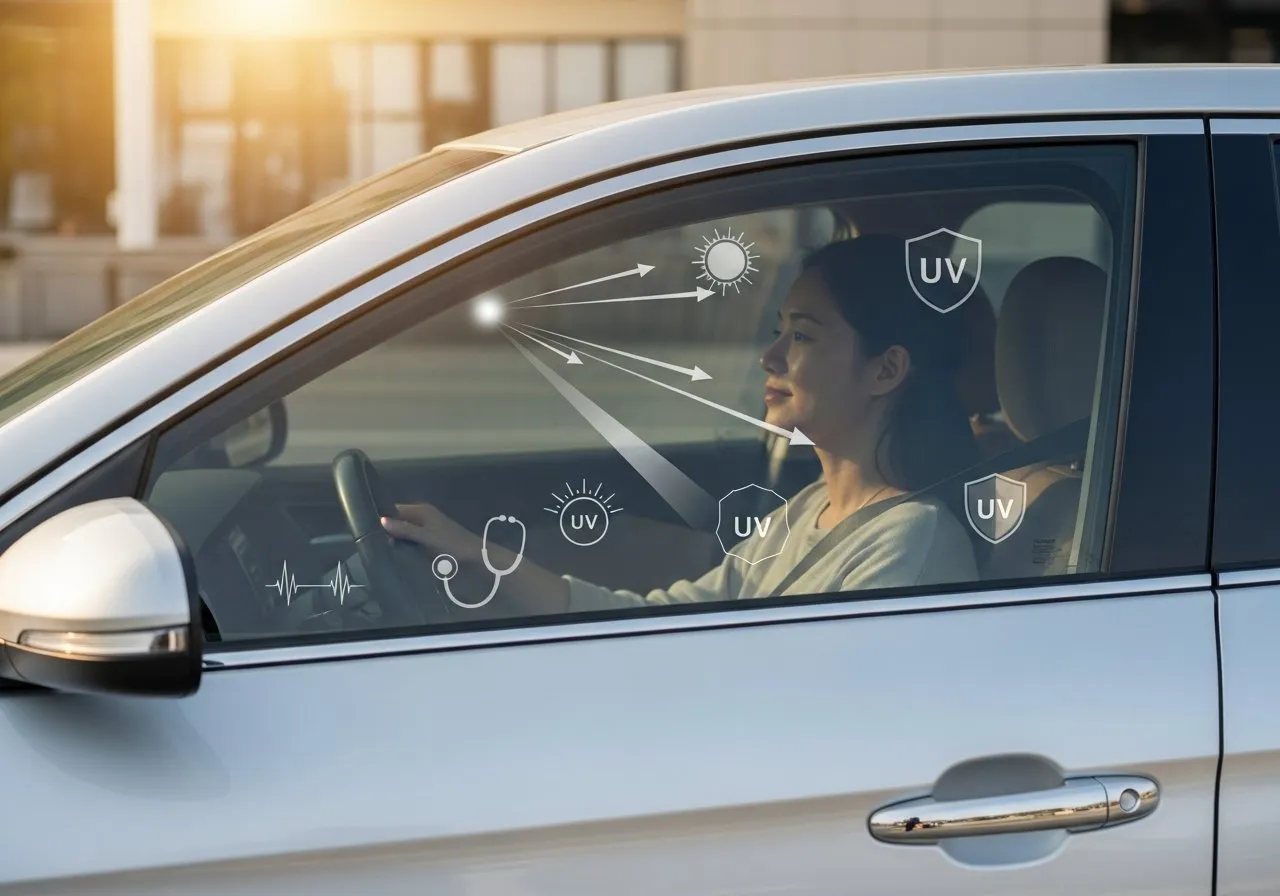
If you’re living with medical conditions for window tint exemption such as lupus, melanoma, or severe photosensitivity, understanding what conditions qualify for window tint exemption is essential for protecting your health while maintaining legal compliance. Window tint exemption qualifying conditions allow individuals with specific health issues to install darker protective window film than standard state regulations permit, providing crucial defense against harmful ultraviolet radiation and intense visible light exposure.
According to recent research published in the Journal of the American Academy of Dermatology, window tinting regulations and medical exemptions play a vital role in protecting patients with photodermatoses and photosensitive dermatoses. For people suffering from these medical conditions for window tint exemption, conventional tint restrictions may fail to provide adequate protection against sun-triggered symptoms, disease flare-ups, or serious health complications including skin cancer recurrence.
Most U.S. states recognize that certain individuals require enhanced solar protection beyond what standard window tint limits allow, as documented in comprehensive state-by-state medical exemption guidelines. Whether you need a lupus window tint exemption, skin cancer tint exemption, melanoma window tint prescription, photosensitivity window tint, light sensitivity car tint, or albinism window tint exemption, understanding the qualification criteria and application process is your first step toward safer vehicle operation.
What Conditions Qualify for Window Tint Exemption: Comprehensive Medical List
Window tint exemption qualifying conditions encompass a range of medical issues where sunlight exposure can trigger severe symptoms, permanent skin damage, or life-threatening complications. Below are the most commonly recognized medical conditions for window tint exemption across the United States.
Lupus Window Tint Exemption: Protecting Against Autoimmune Triggers
Lupus, specifically systemic lupus erythematosus (SLE), is one of the primary what conditions qualify for window tint exemption scenarios recognized nationwide. This chronic autoimmune disease causes the immune system to mistakenly attack healthy tissues and organs throughout the body.
Individuals seeking a lupus window tint exemption face serious health risks from UV exposure including:
-
Severe photosensitive skin rashes and painful lesions
-
Distinctive butterfly-shaped facial rashes triggered by sunlight
-
Acute cutaneous reactions requiring medical intervention
-
Systemic lupus flare-ups affecting internal organs
-
Joint inflammation, swelling, and debilitating pain
-
Extreme fatigue, malaise, and reduced quality of life
-
Increased disease activity and medication requirements
The lupus window tint exemption is medically critical because even brief sunlight exposure through standard car windows can precipitate serious health complications. Darker window tint with ceramic or nano-ceramic technology blocks up to 99% of UV radiation, providing essential protection during daily vehicle operation and extended travel.
Understanding the Medical Necessity: For lupus patients, UV radiation acts as a powerful disease trigger. The immune system’s abnormal response to UV exposure can cause widespread inflammation affecting skin, joints, kidneys, heart, lungs, and the central nervous system. A lupus window tint exemption isn’t merely for comfort—it’s a medically necessary intervention to prevent disease progression and maintain functional independence.
Skin Cancer Tint Exemption and Melanoma Window Tint Prescription

Individuals with a history of skin cancer, particularly melanoma, face dramatically elevated risks from continued UV exposure. A skin cancer tint exemption or melanoma window tint prescription is essential for preventing cancer recurrence and protecting compromised skin tissue.
Melanoma and Skin Cancer Qualifying Factors:
-
Previous diagnosis of melanoma (most aggressive form of skin cancer)
-
Multiple basal cell carcinomas or squamous cell carcinomas
-
Dysplastic nevi syndrome with high malignant potential
-
Precancerous actinic keratoses requiring ongoing monitoring
-
Post-surgical UV sensitivity following cancer excision
-
Immunosuppression increasing skin cancer vulnerability
-
Family history of hereditary melanoma syndromes
Oncologists and dermatologists often advise individuals with melanoma to minimize all UV exposure. A melanoma window tint prescription allows for maximum UV protection in vehicles, creating a crucial barrier against harmful radiation during daily commutes, work-related travel, and family transportation needs.
The skin cancer tint exemption recognizes that for cancer survivors and high-risk individuals, standard tint limitations could potentially compromise their health and significantly increase recurrence risks. Dermatologists frequently recommend darker window tint as part of comprehensive photoprotection strategies for these vulnerable patients.
Medical Documentation Requirements: When applying for a melanoma window tint prescription, your dermatologist or oncologist should document your cancer history, treatment timeline, current monitoring protocol, and specific medical necessity for enhanced UV protection. This detailed documentation strengthens your exemption application and demonstrates clear medical justification for darker tint levels.
Albinism Window Tint Exemption: Critical Protection for Genetic Photosensitivity

Albinism represents one of the clearest examples of conditions that qualify for window tint exemption cases due to the severe, lifelong photosensitivity it causes. This genetic condition results in little to no melanin production, leaving individuals with:
-
Extremely pale skin lacking natural UV protection mechanisms
-
Severe photosensitivity affecting both skin and eyes
-
Dramatically increased skin cancer risk (up to 1000x normal)
-
Painful reactions to bright light and solar radiation
-
Progressive vision problems exacerbated by sunlight exposure
-
Nystagmus and reduced visual acuity in bright conditions
An albinism window tint exemption is medically necessary rather than optional. Individuals with albinism require maximum UV protection to prevent severe sunburns, cumulative skin damage, premature aging, and early-onset skin cancers including melanoma, basal cell carcinoma, and squamous cell carcinoma.
The albinism window tint exemption typically allows for the darkest legally permissible tint levels, often approaching 20% VLT (Visible Light Transmission) or darker depending on specific state regulations. This level of protection is essential for enabling individuals with albinism to operate vehicles safely during daylight hours without experiencing debilitating photosensitivity symptoms or accumulating dangerous levels of UV exposure.
Photosensitivity Window Tint and Light Sensitivity Car Tint for Dermatologic Conditions

Photosensitivity disorders represent a broad category of what conditions qualify for window tint exemption, encompassing various conditions that cause abnormal skin reactions to sunlight and UV radiation.
Common Photosensitive Conditions Qualifying for Light Sensitivity Car Tint:
Chronic Actinic Dermatitis: Severe, persistent inflammatory reaction to UV and visible light causing chronic eczema-like symptoms
Photosensitivity Dermatitis: Intense itching, redness, swelling, and sometimes painful blistering triggered by sun exposure
Solar Urticaria: Immediate hives, welts, and angioedema developing within minutes of sunlight contact
Polymorphous Light Eruption (PMLE): Recurring pruritic rash appearing after sun exposure, most common in spring and early summer
Drug-Induced Photosensitivity: Medications including certain antibiotics, diuretics, and anti-inflammatory drugs increasing sun sensitivity
Phytophotodermatitis: Plant compounds reacting with UV light to cause severe burns and blistering
Photosensitivity window tint and light sensitivity car tint exemptions protect individuals experiencing painful, debilitating reactions to sunlight. These conditions can severely impact quality of life, limiting outdoor activities, employment opportunities, and basic transportation needs.
Professional-grade photosensitivity window tint blocks both UVA and UVB radiation while also reducing visible light transmission to minimize symptoms triggered by bright light exposure. For patients with light sensitivity car tint needs, darker window films reduce visible light transmission while blocking nearly all UV radiation, addressing both UV-triggered skin reactions and painful responses to intense visible light.
Xeroderma Pigmentosum: Rare But Life-Threatening Qualifying Condition
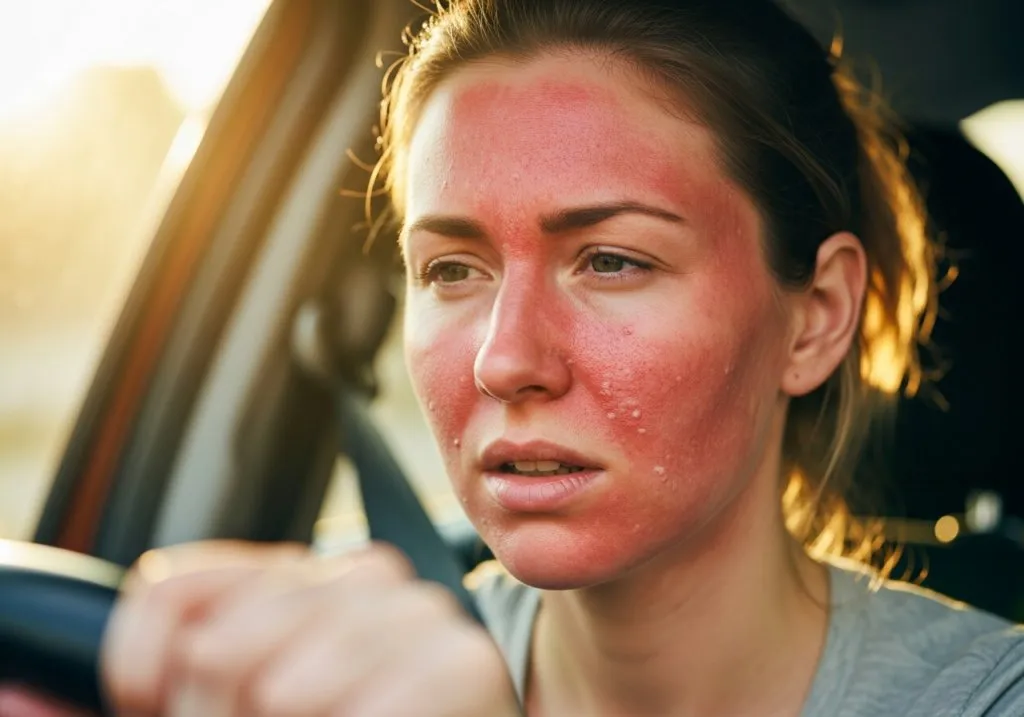
Xeroderma pigmentosum (XP) is an extremely rare genetic disorder (affecting approximately 1 in 250,000 people) that prevents the body from repairing DNA damage caused by UV radiation. Even minimal sun exposure can cause:
-
Severe, blistering sunburns from brief exposure periods
-
Dramatically increased skin cancer risk (up to 10,000 times higher than normal)
-
Multiple skin cancers developing in childhood and adolescence
-
Ocular damage including corneal scarring and eye cancers
-
Neurological complications in certain XP subtypes
-
Significantly reduced life expectancy without rigorous photoprotection
For individuals with xeroderma pigmentosum, a window tint exemption isn’t just helpful—it’s genuinely life-saving. This condition qualifies for the maximum allowable window tint darkness in virtually all states offering medical exemptions. Patients with XP must implement comprehensive photoprotection strategies including specialized clothing, UV-blocking eyewear, and maximum-darkness window tinting to prevent the rapid accumulation of skin cancers.
Additional Medical Conditions for Window Tint Exemption
Cockayne Syndrome
This rare genetic disorder causes:
-
Extreme photosensitivity with severe burning from minimal UV exposure
-
Premature aging accelerated dramatically by sun exposure
-
Growth failure and developmental delays
-
Progressive neurological deterioration
-
Increased risk of skin cancers
Cockayne syndrome qualifies for window tint exemptions due to the severe, permanent damage UV exposure causes to affected individuals. Photoprotection is essential for preventing accelerated aging and maintaining quality of life.
Bloom Syndrome
Another rare genetic condition characterized by:
-
Heightened sun sensitivity with easy burning
-
Significantly elevated skin cancer risk
-
Facial erythema and telangiectasia
-
Growth delays and immune system dysfunction
-
Predisposition to various cancers beyond skin
Bloom syndrome patients require maximum UV protection, making window tint exemptions medically necessary for safe vehicle operation.
Dermatomyositis
This inflammatory autoimmune disease features:
-
Distinctive heliotrope rash on eyelids worsening with sun exposure
-
Gottron’s papules on knuckles and joints
-
Photosensitive skin eruptions
-
Muscle weakness and inflammation
-
Internal organ involvement
Patients with dermatomyositis benefit significantly from photosensitivity window tint to minimize disease activity and skin manifestations.
Porphyria (Cutaneous Forms)
Metabolic disorders causing:
-
Extreme photosensitivity with painful blistering
-
Skin fragility and scarring
-
Hypertrichosis and hyperpigmentation
-
Liver dysfunction in certain types
-
Chronic pain from sun exposure
Cutaneous porphyrias, particularly erythropoietic protoporphyria (EPP) and variegate porphyria, qualify for window tint exemptions to prevent agonizing photosensitivity reactions.
Systemic Sclerosis (Scleroderma)
Autoimmune connective tissue disease with:
-
Skin thickening and photosensitive changes
-
Raynaud’s phenomenon exacerbated by temperature changes
-
Internal organ fibrosis
-
Increased UV sensitivity in affected skin areas
Window tint exemptions help scleroderma patients avoid UV-triggered skin complications and maintain comfortable vehicle environments.
How to Obtain Window Tint Exemption Qualifying Conditions Documentation
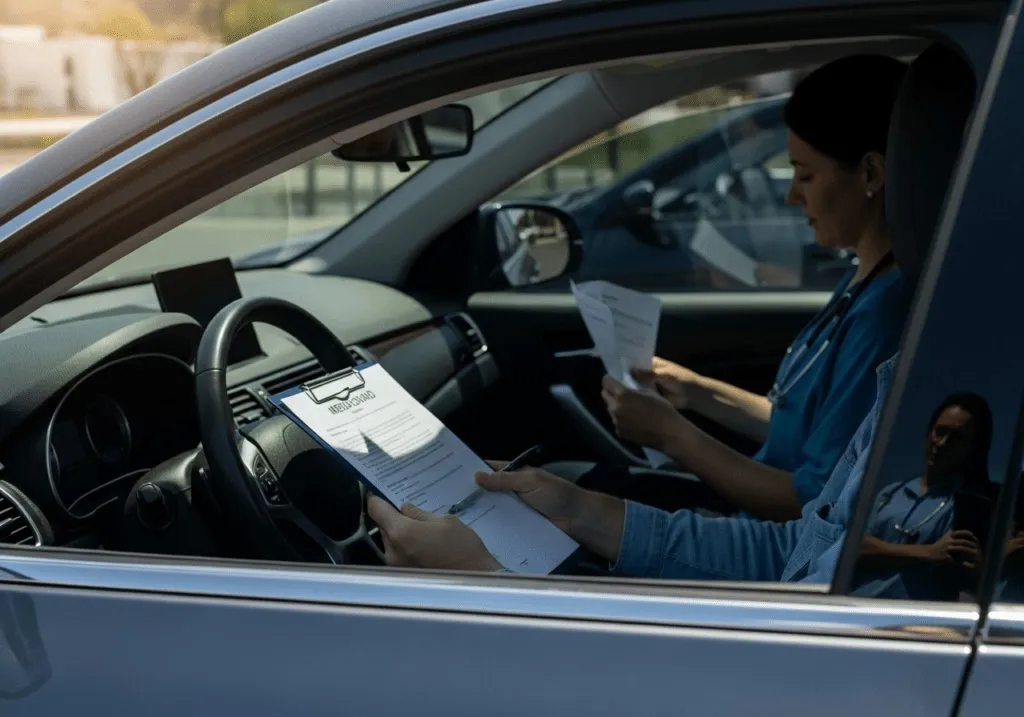
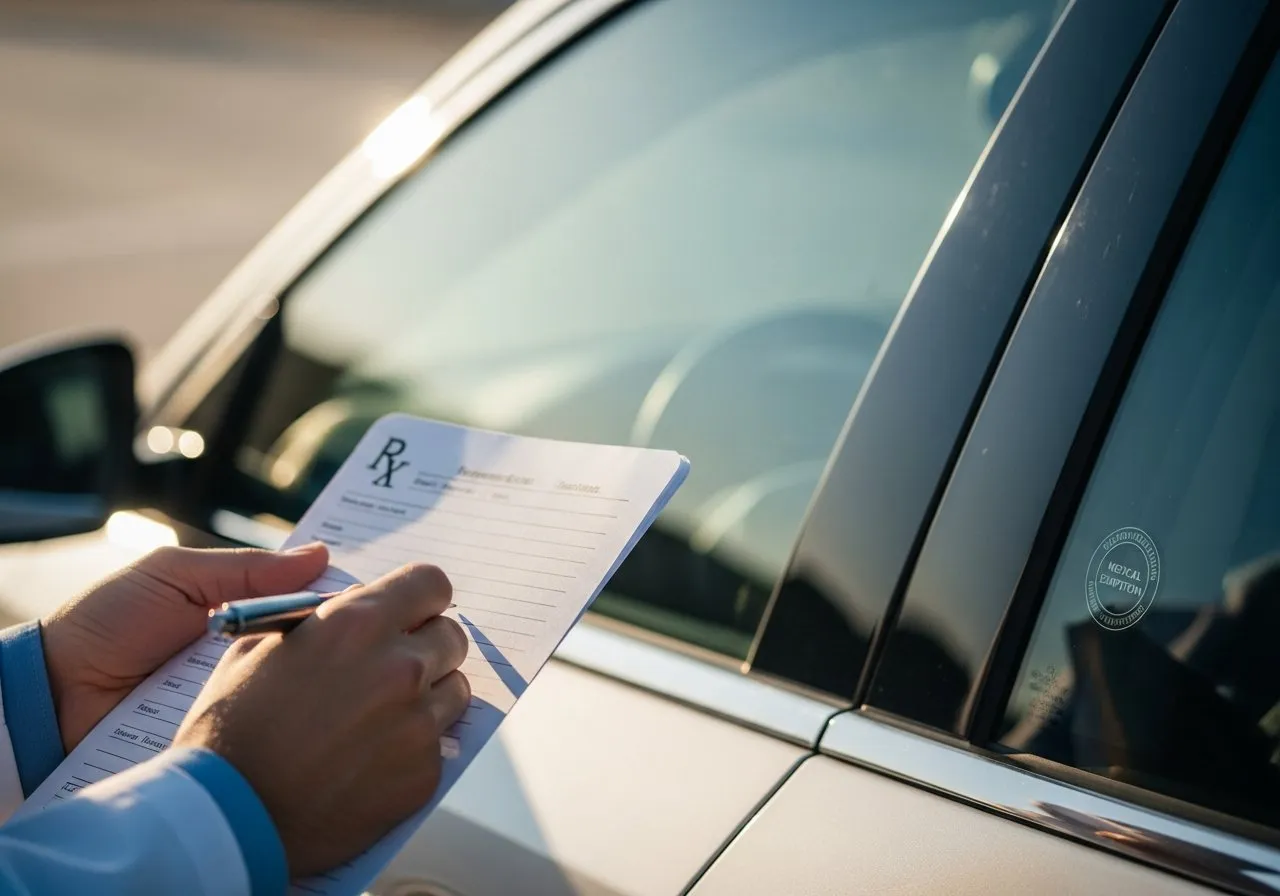
Understanding what conditions qualify for window tint exemption is only the first step. Successfully obtaining an exemption requires following specific procedures that vary by state but generally follow this comprehensive framework:
Step 1: Comprehensive Physician Consultation and Medical Documentation
Schedule an appointment with your specialist physician:
-
Dermatologist (for lupus, melanoma, skin cancer, photosensitivity, albinism)
-
Rheumatologist (for lupus and autoimmune diseases)
-
Oncologist (for melanoma and skin cancer follow-up)
-
Geneticist (for rare genetic conditions like XP, Bloom syndrome, Cockayne syndrome)
-
Ophthalmologist (for eye-related photosensitivity and albinism)
-
Primary Care Physician (may refer to specialists but can provide supporting documentation)
Your physician must provide an official medical statement including:
-
Patient’s full legal name, date of birth, and contact information
-
Specific medical diagnosis using proper ICD-10 diagnostic codes
-
Detailed explanation of how UV/visible light exposure affects the condition
-
Recommended VLT (Visible Light Transmission) percentage if state requires specificity
-
Physician’s credentials, medical license number, and specialty
-
Physician’s signature and date of issuance
-
Expected duration of need (temporary vs. permanent condition)
Pro Tip: Request that your physician use official letterhead and include their DEA number if applicable, as this adds credibility to your application.
Need Help Finding a Qualified Physician? TintedMD connects patients with licensed dermatologists, oncologists, and specialists who understand photosensitive conditions and can provide comprehensive medical documentation that meets state-specific exemption requirements.
Step 2: Obtain State-Specific Application Forms
Visit your state’s Department of Motor Vehicles (DMV), Department of Transportation (DOT), or Department of Public Safety website to:
-
Download official window tint medical exemption application forms
-
Review your state’s specific qualifying conditions list
-
Identify all required supporting documentation beyond the physician’s letter
-
Confirm applicable application fees (typically ranging from $0-$25)
-
Note processing timelines (usually 2-6 weeks)
-
Determine exemption validity period (annual renewal vs. multi-year approval)
State Variability: Requirements differ significantly by state. Some states have straightforward one-page forms, while others require extensive medical documentation, vehicle inspection reports, and multiple supporting documents.
There are different application assistance programs available online that offer comprehensive support in navigating complex state requirements, helping patients complete forms correctly, and avoiding common documentation errors that cause delays or rejections.
Step 3: Complete and Submit Your Application Package
Prepare your complete application package including:
-
Completed official state application form with all fields filled accurately
-
Original physician’s medical statement or certified copy
-
Copy of current vehicle registration
-
Copy of valid driver’s license or state identification card
-
Proof of residency (utility bill, lease agreement, or mortgage statement)
-
Application fee payment (check, money order, or credit card information)
-
Additional medical records if requested by your state
-
Photographs of yourself if required
Submission Methods:
-
Online Portal: Some progressive states offer digital submission (fastest processing)
-
Certified Mail: Recommended for tracking and proof of delivery
-
In-Person Submission: At DMV/DOT office for immediate confirmation
-
Email Submission: Accepted by some states with PDF attachments
Critical Requirement: Make copies of your entire application package before submission for your personal records.
Step 4: Await Approval and Receive Official Documentation
Processing times vary significantly by state (typically 2-6 weeks, but can extend to 8-12 weeks during busy periods). Upon approval, you’ll receive:
-
Official exemption certificate or authorization letter
-
Vehicle-specific identification number or exemption code
-
Window decal/sticker (required in some states for law enforcement verification)
-
Specific VLT allowances for each window position
-
Expiration date (if exemption requires renewal)
-
Instructions for renewal process
-
Contact information for exemption-related questions
Absolutely Essential: Keep your original exemption certificate in your vehicle AT ALL TIMES. Place it in your glove compartment, sun visor, or door pocket where you can immediately access it if questioned by law enforcement about your window tint.
Step 5: Professional Window Tint Installation
Once approved, selecting a qualified professional installer is crucial for compliance and optimal protection.
Professional installation is essential for medical exemptions because:
Precise VLT Compliance: Professionals use calibrated meters to measure existing factory tint and calculate exact film darkness needed to achieve your approved VLT percentage. This prevents over-tinting that could void your exemption.
Proper Film Selection: Not all window films provide equal UV protection. Medical-grade ceramic or nano-ceramic films block 99%+ of UV radiation while allowing precise visible light transmission control. Professionals can recommend films specifically engineered for medical applications.
Vehicle Component Protection: Expert installers use computer-cut patterns and proven techniques to protect rear defroster lines, embedded antennas, rain sensors, and ADAS (Advanced Driver Assistance Systems) components.
Clean, Durable Installation: Professional shops maintain dust-controlled environments preventing contamination during installation. They install premium films with scratch-resistant, self-healing top coats that maintain clarity and protection for years.
Documentation and Warranties: Reputable installers provide written documentation confirming your tint complies with exemption specifications, plus manufacturer warranties (often lifetime) and additional coverage for installation defects.
Windshield and Sunroof Expertise: Front windshields have the strictest regulations and require specialized clear or ultra-light ceramic films that deliver UV protection without compromising visibility. Professionals understand these requirements and can ensure compliant windshield treatment.
Post-Installation VLT Verification: Quality installers measure and document final VLT percentages for each window, providing proof that your installation matches your exemption authorization.
Step 6: Maintain Compliance and Plan for Renewals
Most medical exemptions are NOT permanent—they require periodic renewal:
Renewal Requirements:
-
Annual physician recertification (most common)
-
Bi-annual or tri-annual renewals (some states)
-
Renewal upon address change or vehicle replacement
-
Updated medical documentation confirming ongoing medical necessity
Compliance Maintenance:
-
Set calendar reminders 30-60 days before expiration
-
Schedule physician appointments well in advance
-
Keep exemption certificate visible and accessible in vehicle
-
Maintain film quality, replace damaged or fading tint promptly
-
Carry medical documentation during interstate travel
Interstate Travel Considerations: Your home state’s medical exemption typically does NOT provide legal protection in other states. However, carrying comprehensive medical documentation may help during traffic stops in states where officers have discretionary authority.
State-by-State Variations in Medical Exemption Allowances
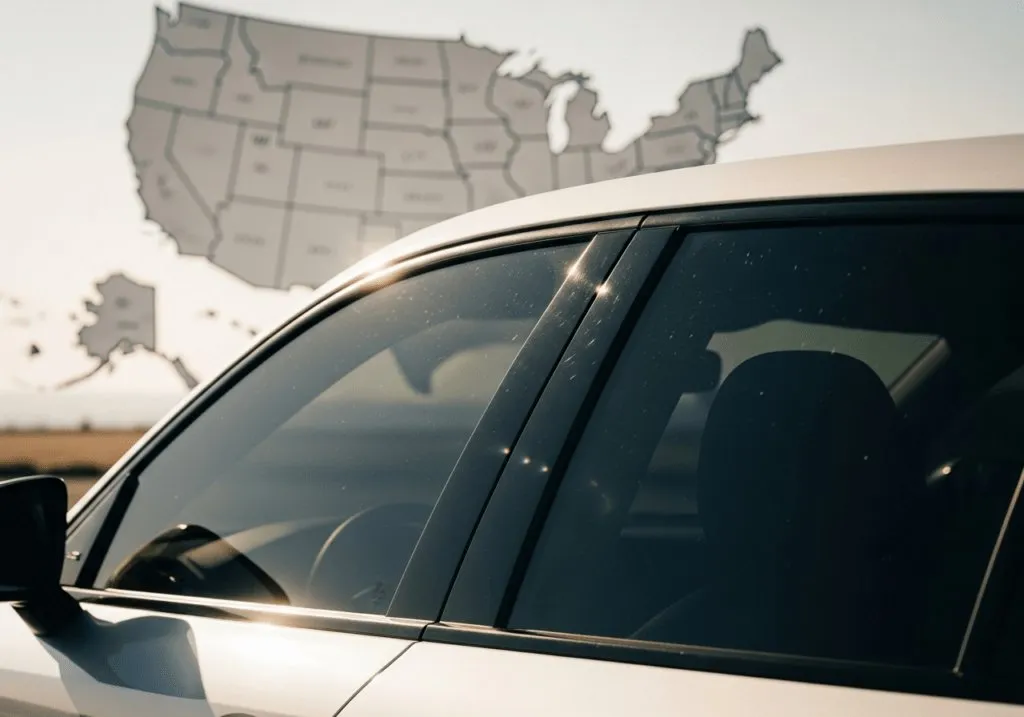
While window tint exemption qualifying conditions remain relatively consistent across states, the darkness levels permitted and application procedures vary significantly:
States Offering Darkest Tint with Medical Exemptions
20% VLT or Darker:
-
Nevada: Permits up to 20% VLT for medical exemptions
-
Connecticut: Allows minimum 20% VLT with proper documentation
-
Arizona: Approves 20% VLT on side windows, 10% VLT on rear window
-
New Mexico: Permits 20% VLT across all windows for qualifying conditions
25-35% VLT Range:
-
Texas: Authorizes 25% VLT on all windows including front side windows with medical exemption
-
California: Typically approves 20%-35% VLT depending on medical severity (DMV determines exact percentage)
-
Georgia: Allows minimum 23% VLT with 3% measurement variance tolerance
-
Wisconsin: Specifies minimum 35% VLT even with medical exemptions
-
Illinois: Permits 35% VLT front side windows with medical documentation
Physician-Determined Darkness:
-
Florida: No specific VLT minimum; dermatologist or physician determines medical necessity per Florida Statute 316.29545
-
Illinois: Specialist can specify exact VLT percentage required
-
Missouri: Doctor’s prescription indicates medically necessary percentage
-
Virginia: Physician recommendation guides exemption approval
States NOT Offering Medical Exemptions
Five states do NOT permit medical exemptions under any circumstances:
-
Colorado: No medical exemptions allowed; standard 27% VLT front side windows applies to everyone
-
Hawaii: No exemption program; 35% VLT front side windows universally required
-
Kansas: No medical exemptions recognized; 35% VLT minimum enforced
-
North Dakota: No exemption process available; standard limits apply
-
South Dakota: No medical exemption program exists
Residents of non-exemption states must comply with standard VLT requirements regardless of medical necessity. Some patients relocate to exemption-friendly states due to severe medical needs, though this is obviously a significant life decision.
Special Medical Exemption Features by State
California: Requires DMV Medical Review Unit approval using Form REG 256A; dermatologist certification carries significant weight
Florida: Accepts letters from dermatologists, ophthalmologists, or physicians per Section 316.29545 Florida Statutes; among most lenient states
Georgia: Requires physician or optometrist certification with official application form; $10 application fee; minimum 23% VLT
New York: Strict 70% front window requirement even with exemptions; focuses on rear and side windows; specific conditions listed in DMV Form MV-80W
Pennsylvania: Requires sunlight sensitivity certification; relatively straightforward application process
Texas: Clear 25% VLT standard for exemptions; physician must specify medical necessity per Texas DPS window tinting standards
Benefits of Medical Window Tint Exemptions for Qualifying Conditions
For individuals with qualifying medical conditions, window tint exemptions provide multifaceted benefits extending beyond simple UV protection:
Health Protection and Disease Management Benefits
99%+ UV Radiation Blocking: Prevents cumulative skin damage, acute burns, and reduces skin cancer development/recurrence risk
Visible Light Reduction: Alleviates photosensitivity symptoms, prevents pain, and minimizes disease flare-ups triggered by bright light
Temperature Control: Reduces heat buildup that can trigger lupus flares, rosacea, and other heat-sensitive conditions
Symptom Prevention: Minimizes rashes, lesions, blistering, and systemic inflammatory reactions
Cancer Prevention: Significantly reduces melanoma recurrence risk for survivors and high-risk individuals
Disease Stability: Helps maintain autoimmune disease remission by eliminating major environmental triggers
Quality of Life Improvements
Daytime Mobility: Enables safe vehicle operation during daylight hours without debilitating symptoms
Reduced Medical Anxiety: Confidence in UV protection reduces stress and fear of sun exposure complications
Employment Opportunities: Allows commuting to work and maintaining professional obligations
Family Participation: Enables attendance at outdoor family events, school activities, and social gatherings with proper protection
Independence Maintenance: Avoids reliance on others for transportation and preserves personal autonomy
Recreational Activities: Permits participation in travel, outdoor hobbies, and leisure activities previously limited by photosensitivity
Legal and Practical Advantages
Legal Compliance: Obtain necessary medical protection while avoiding citations, fines, and vehicle impoundment
Insurance Coverage: Valid exemption prevents complications with auto insurance policies
Vehicle Protection: Interior preservation from sun damage, fading, and heat-related deterioration
Privacy Enhancement: Secondary benefit of darker tint providing increased vehicle privacy
Improved Visibility: Quality ceramic tints reduce glare without distorting vision, enhancing driving safety
Property Value: Well-maintained professional tint installation can increase vehicle resale value
Tips for Successful Medical Exemption Applications
Work With Knowledgeable Healthcare Providers
Choose physicians who:
-
Have experience with photosensitive conditions and medical exemptions
-
Understand state-specific documentation requirements
-
Use proper medical terminology and diagnostic coding
-
Provide detailed, specific medical necessity explanations
-
Are willing to support your application and provide renewals
-
Maintain thorough medical records supporting your condition
Document Everything Comprehensively
Maintain detailed records including:
-
All medical appointments, treatment notes, and test results
-
Physician statements, prescriptions, and medical exemption applications
-
Application submission confirmations and approval certificates
-
Installation receipts and VLT specification documentation
-
Renewal reminders and expiration date tracking
-
Photographs of installed tint and exemption certificates
Choose Quality Professional Installation Services
Select installers who:
-
Have specific experience with medical exemption installations
-
Understand your state’s exact requirements and approved VLT ranges
-
Use premium medical-grade UV-blocking films (ceramic or nano-ceramic)
-
Provide written VLT confirmation matching your exemption
-
Offer comprehensive manufacturer warranties and installation guarantees
-
Can document compliant installation for law enforcement verification
-
Maintain clean, controlled installation environments
Plan Strategically for Renewals
Set proactive reminders for:
-
Exemption expiration dates (create alerts 60 days before expiration)
-
Physician appointment scheduling (book 4-6 weeks before renewal due date)
-
Form completion and documentation gathering
-
Application submission deadlines allowing processing time
-
Installation scheduling if replacing aging or damaged film
Educate Yourself on State-Specific Requirements
Research and understand:
-
Your state’s approved qualifying conditions list
-
Exact VLT percentages allowed with exemptions
-
Application processing timelines and fee structures
-
Renewal frequency and requirements
-
Reciprocity agreements with neighboring states
-
Law enforcement procedures during traffic stops
Frequently Asked Questions
1. What medical conditions qualify for window tint exemption in 2026?
Medical conditions for window tint exemption include lupus, melanoma, albinism, xeroderma pigmentosum, photosensitivity dermatitis, porphyria, and other conditions causing severe light sensitivity. A licensed physician must document your diagnosis and explain why enhanced UV protection beyond standard tint limits is medically necessary for your condition.
2. How do I apply for a lupus window tint exemption in my state?
Consult your rheumatologist or dermatologist for detailed medical documentation on official letterhead, including your diagnosis, photosensitivity explanation, and recommended VLT percentage. Download your state's DMV exemption application form, complete it with your physician's statement, vehicle registration, and driver's license, then submit with required fees (processing takes 2-6 weeks).
3. Can I get a melanoma window tint prescription from any doctor, or does it require a specialist?
While any licensed physician can provide a melanoma window tint prescription, dermatologists or oncologists specializing in skin cancer carry the greatest credibility with state approval agencies. These specialists provide detailed documentation about your cancer history, recurrence risk factors, and why enhanced UV protection is medically necessary, which significantly strengthens your exemption application.
4. Is photosensitivity window tint or light sensitivity car tint installation covered by health insurance?
No, photosensitivity window tint installation is typically NOT covered by health insurance as it's classified as a vehicle modification. However, physician consultations may be covered under regular benefits, and some patients successfully use HSA/FSA funds by obtaining a Letter of Medical Necessity—contact your administrator before installation to confirm eligibility.
5. How dark can window tint be with an albinism window tint exemption?
Albinism window tint exemption darkness varies by state but generally allows the darkest legally permissible tint—Nevada permits 20% VLT, Arizona allows 20% VLT (side) and 10% VLT (rear), Connecticut permits minimum 20% VLT, and Texas allows 25% VLT. Your physician's medical statement should specify the UV protection needed, and your state's approval will indicate exact VLT allowances for each window.
6. What is light sensitivity car tint and how does it differ from regular tint?
Light sensitivity car tint is medical-grade window film offering 99%+ UV protection and precise visible light control for medical conditions, while regular tint focuses on heat reduction and privacy. Premium ceramic films are preferred because they block UV and infrared radiation without interfering with GPS or cellular signals, and installations require calibrated VLT meters to ensure exact compliance with medical exemption specifications.
7. Do I need to renew my window tint exemption, and how often?
Yes, most exemptions require renewal—commonly annual (12 months) or bi-annual (24 months) depending on your state and condition. Renewal requires updated physician documentation, and some states offer permanent exemptions for lifelong genetic conditions. Set reminders 60 days before expiration to avoid citations for driving with expired exemptions.
8. What should I do if I'm stopped by police in another state with my medical exemption?
Remain calm, immediately inform the officer you have a medical exemption, and present your exemption certificate and physician's documentation explaining your condition and UV protection needs. While your exemption may not provide legal protection in other states, many officers exercise discretion for legitimate medical documentation, though you could still receive a citation in states with stricter requirements.

Meet the author
Nida Hammad
I am a professional writer with over five years of experience creating clear, engaging, and well-researched content. I specialize in medical window tint exemptions and state compliance topics, helping readers understand tint laws and exemption requirements in simple, easy-to-follow language. Currently, I write for TintedMD, where I focus on producing accurate, trustworthy guides to help drivers navigate the medical tint exemption process with confidence.
Get Your Medical Tint Exemption Online in Minutes
Check Your Eligibility