How to Get a Medical Exemption for Window Tint: Your Complete 2026 Guide
 by Nida Hammad
 Last updated:
Medically reviewed by:
Dr. Matthew Reynolds, MD


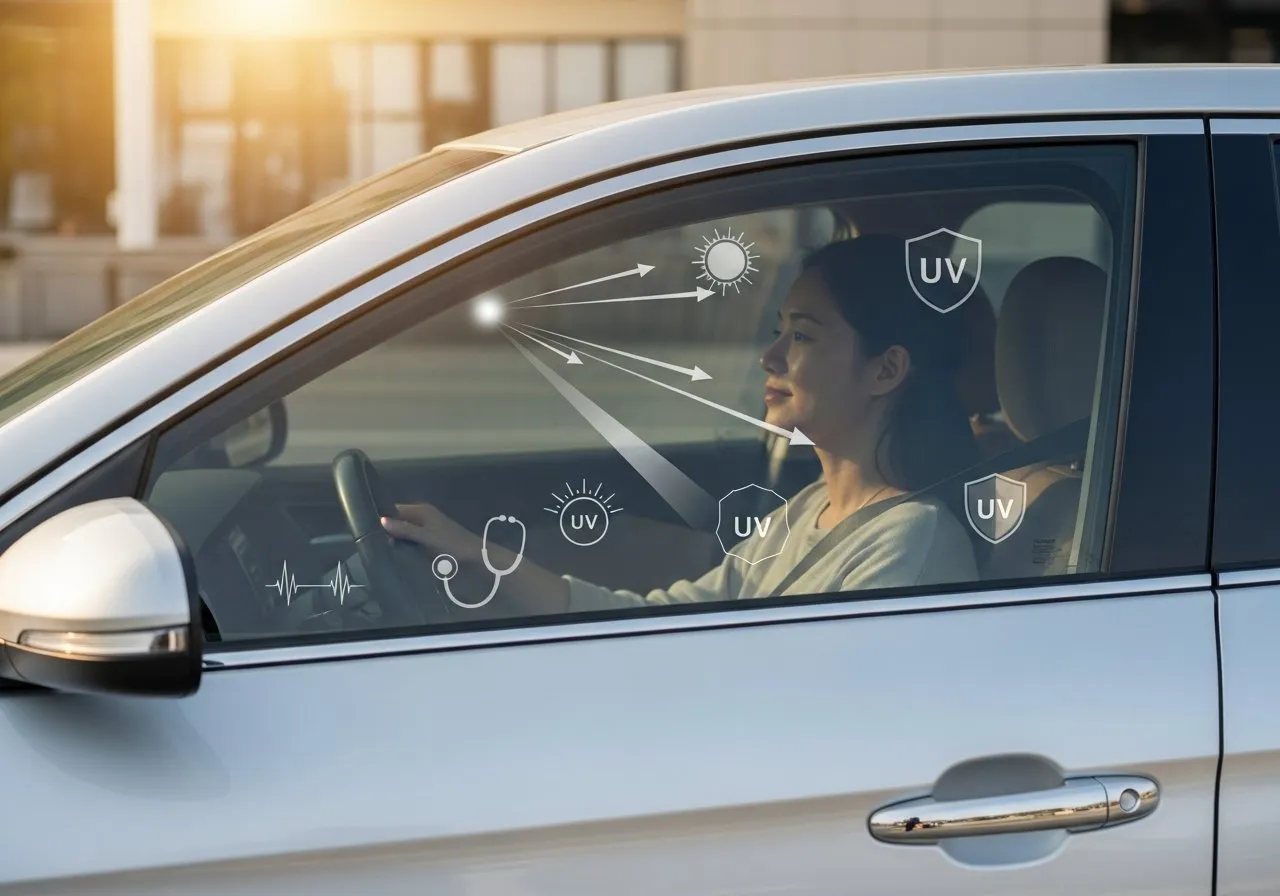
If you suffer from light sensitivity, skin conditions, or certain medical conditions that require sun protection, getting a medical exemption for window tint can make driving safer and more comfortable.
A window tint medical exemption allows you to legally install darker window tint than normally permitted by state law.
This comprehensive guide walks you through everything you need to know about obtaining a medical window tint permit, including the application process, required documentation, qualifying conditions, and state-specific requirements.
Skip the wait for an in-person appointment. Get your physician’s certification online and start your exemption process today. Check Your Eligibility.
Understanding Medical Exemptions for Window Tint
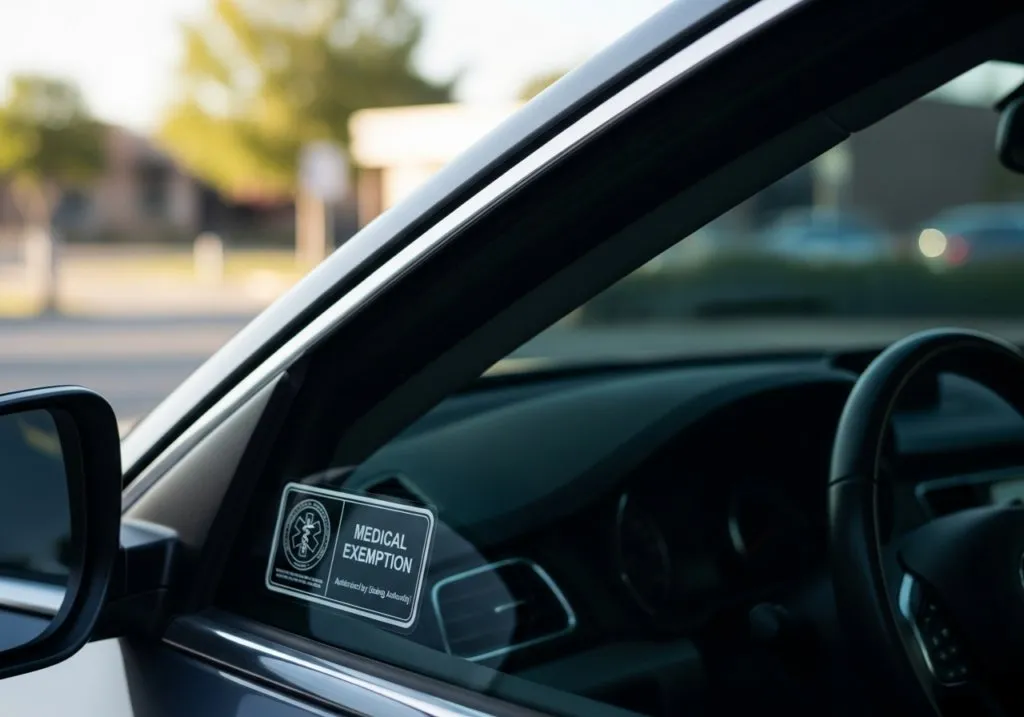
A medical exemption for window tint is a legal authorization that permits drivers to install window tinting darker than the standard limits set by state law. These exemptions recognize that certain medical conditions require additional protection from sunlight and ultraviolet radiation. While every state has specific regulations about how dark you can tint your windows, most states provide pathways for individuals with legitimate medical needs to obtain a window tint medical exemption.
Standard window tint laws typically limit the visible light transmission (VLT) percentage that windows can block. For example, many states require front side windows to allow at least 70% of light through, while back windows and rear windshields may have different requirements.
However, with a valid medical window tint permit, you may be allowed to install significantly darker tint, sometimes as dark as 20% VLT or even darker, depending on your state and medical condition.
What Is Visible Light Transmission (VLT)?
Visible light transmission refers to the percentage of visible light that passes through your window tint. A lower VLT percentage means a darker tint.
For instance, 5% VLT is extremely dark, allowing only 5% of light through, while 70% VLT is much lighter, blocking only 30% of light.
Understanding VLT is crucial when applying for legal dark tint through a medical exemption, as your doctor’s note for window tint should specify the recommended VLT level based on your medical needs.
Why Medical Exemptions Exist
Medical exemptions for window tint exist because certain medical conditions make individuals hypersensitive to light and UV radiation.
These conditions can cause severe pain, skin damage, vision problems, and other serious health complications when exposed to normal sunlight.
A window tint prescription acknowledges that for these individuals, a darker window tint is not a cosmetic preference but a medical necessity that significantly impacts their quality of life and ability to drive safely.
If darker window tint is your medical necessity, you can get your medical tint exemption online from a licensed physician.
Medical Conditions That Qualify for Window Tint Exemptions

Not all medical conditions qualify for a medical waiver for window tint. States typically require that your condition directly relates to light sensitivity, UV exposure risks, or vision impairment caused by bright light.
The most commonly accepted conditions for tinted windows medical exemption include:
Lupus (Systemic Lupus Erythematosus): This autoimmune disease causes extreme photosensitivity, where UV exposure can trigger severe flare-ups, skin rashes, fatigue, and organ inflammation. Patients with lupus are among the most common recipients of medical exemptions for window tint because sunlight exposure can significantly worsen their condition.
Melanoma and Skin Cancer History: Individuals who have had melanoma or other forms of skin cancer are at high risk for recurrence with UV exposure. A window tint prescription helps minimize this risk by reducing UV radiation exposure while driving.
Albinism: This genetic condition results in little to no melanin production, making individuals extremely sensitive to sunlight and UV radiation. People with albinism often experience severe sunburns and have significantly increased skin cancer risk, making a medical window tint permit essential for safe driving.
Xeroderma Pigmentosum: This rare genetic disorder prevents the body from repairing DNA damage caused by UV light, leading to severe sunburns and an extremely high risk of skin cancer from even minimal sun exposure.
Photophobia: Extreme sensitivity to light can result from various underlying conditions including migraines, traumatic brain injury, corneal abrasions, or neurological disorders. Severe photophobia can make driving in normal daylight extremely uncomfortable or impossible without proper sun protection.
Post-Cataract Surgery: After cataract surgery, eyes may be temporarily or permanently more sensitive to bright light and glare. Some patients require darker window tint during recovery or permanently if sensitivity persists.
Retinitis Pigmentosa and Other Retinal Conditions: These progressive eye diseases can cause increased light sensitivity and difficulty with glare, making it necessary to reduce light exposure while driving.
Uveitis: This inflammation of the eye’s middle layer often causes significant photophobia and requires protection from bright light during flare-ups and potentially long-term.
Porphyria: This group of rare disorders affects the nervous system and skin, causing severe photosensitivity where light exposure leads to painful skin reactions, blistering, and burning.
Cockayne Syndrome: This rare genetic disorder causes extreme sun sensitivity among other symptoms, requiring significant UV protection.
Solar Urticaria: A condition where sun exposure causes painful hives and allergic reactions, making UV protection through window tint medically necessary.
Bloom Syndrome: Another rare genetic disorder that causes sun sensitivity and increased cancer risk, often qualifying for a medical waiver for window tint.
Your physician will determine if your specific condition warrants a window tint prescription based on the severity of your symptoms and medical necessity. The key is demonstrating that your condition genuinely requires additional UV protection beyond what standard window tint laws allow.
How to Get a Medical Exemption for Window Tint: Step-by-Step Process
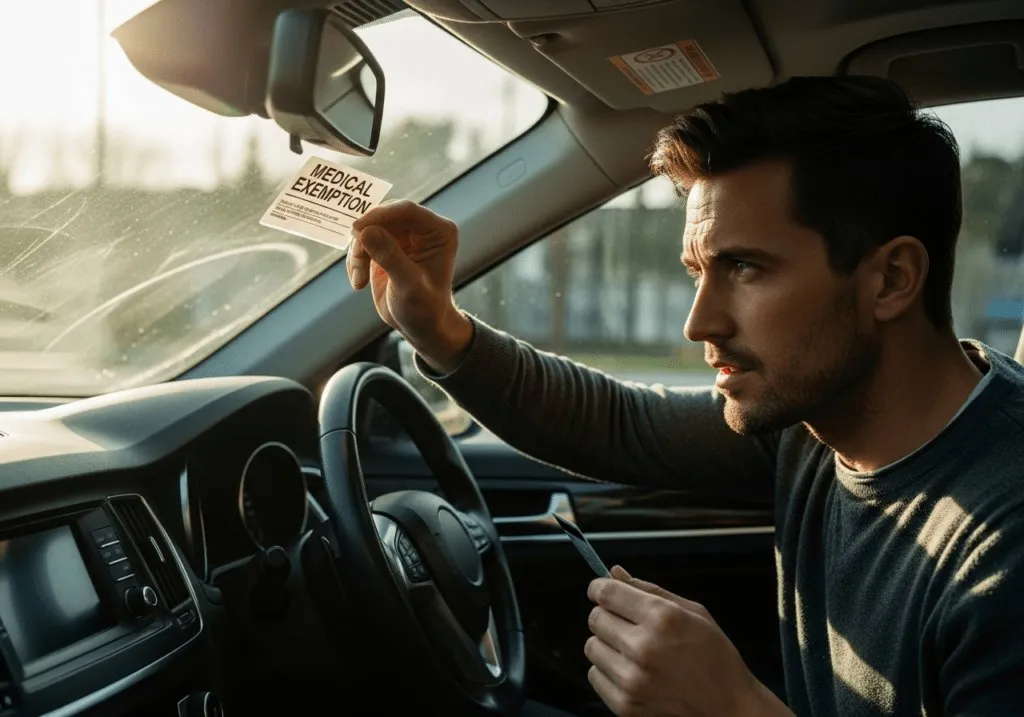
The process of obtaining a medical exemption for window tint varies by state, but generally follows similar steps. Understanding this process will help you navigate the requirements efficiently and increase your chances of approval.
Step 1: Consult Your Physician
The first step in getting a medical window tint permit is scheduling an appointment with your doctor. This should be a licensed physician who is familiar with your medical condition, such as a dermatologist for skin conditions, an ophthalmologist for eye conditions, or your primary care physician if they are treating your condition.
During this appointment, discuss your need for darker window tint and how it relates to your medical condition.
Be prepared to explain how sunlight exposure while driving affects your condition and why standard window tint is insufficient. Your doctor will need to understand the medical necessity to provide a proper doctor’s note for window tint.
Ask your physician about the appropriate VLT percentage for your specific needs, as this information should be included in your documentation.
Step 2: Obtain Medical Documentation
Your doctor will need to provide a formal window tint prescription or medical certificate.
This documentation is the cornerstone of your application for a medical exemption for window tint and must contain specific information to be accepted by your state’s DMV or equivalent agency.
Essential Elements of a Doctor’s Note for Window Tint:
-
Your full legal name and date of birth
-
Specific medical diagnosis (the exact condition requiring the exemption)
-
Clear explanation of why a darker window tint is medically necessary
-
Recommended VLT percentage or tint darkness level
-
Duration of need (temporary or permanent)
-
Physician’s printed name, signature, and medical license number
-
Physician’s office letterhead, contact information, and date
-
In some states, the physician’s official stamp or seal
The documentation should be on official medical letterhead and written in professional medical language. Some states provide specific forms that physicians must complete, while others accept letters on letterhead.
Check your state’s DMV website for exact requirements regarding the doctor’s note for window tint format.
Step 3: Research Your State’s Requirements
Before submitting your application, thoroughly research your state’s specific requirements for a window tint medical exemption. Requirements vary significantly from state to state, including allowed tint darkness, which windows can be tinted, application procedures, fees, and renewal periods.
Visit your state’s Department of Motor Vehicles website or contact them directly to obtain the most current information. Some states have specific forms you must use, while others accept standard medical documentation.
Understanding these requirements upfront will save time and prevent application rejections due to missing information or incorrect formats.
Pay particular attention to which windows you can tint with your medical exemption. While most states allow tinting of front side windows with a medical waiver for window tint, some have restrictions on windshield tinting even with medical documentation.
Knowing these limits helps you plan your window tinting appropriately once approved.
Step 4: Complete the Application
Once you have your medical documentation and understand your state’s requirements, complete the application for your medical window tint permit. Most states require you to fill out a specific exemption form, which you can typically download from the DMV website or obtain in person at a DMV office.
The application typically asks for your personal information, vehicle information (make, model, year, VIN), your medical condition, and details about the tint you plan to install.
Be thorough and accurate when completing the form. Incomplete applications will be rejected and delay the process.
Attach all required documentation, including your doctor’s note for window tint, copies of your driver’s license, vehicle registration, and any other documents specified by your state.
Make copies of everything you submit for your records, as processing times can be lengthy and you may need to reference your submission.
Step 5: Submit Your Application and Pay Fees
Submit your completed application along with all supporting documentation to the appropriate state agency. This is usually the Department of Motor Vehicles, but some states have different agencies that handle tinted windows medical exemption applications.
Check whether your state accepts online submissions, mail submissions, or requires in-person applications.
Most states charge a fee for processing medical exemptions for window tint, typically ranging from fifteen to one hundred dollars depending on the state. Some states may waive fees for certain conditions or financial hardship cases.
Include payment with your application in the form specified by your state (check, money order, credit card, etc.).
If submitting by mail, send your application via certified mail with return receipt requested. This provides proof of submission and delivery, which is important if there are any questions about whether your application was received.
Keep the tracking information and receipt until you receive your exemption certificate.
Step 6: Wait for Processing and Approval
Processing times for a medical exemption for window tint vary by state, typically ranging from two to eight weeks. Some states process applications faster, while others may take longer during busy periods.
During this waiting period, the state agency will review your medical documentation and verify that your condition qualifies for an exemption under their specific criteria.
If your application is approved, you will receive a medical window tint permit or exemption certificate by mail. This document authorizes you to install window tint darker than standard legal limits according to the specifications in your approval.
Some states issue wallet-sized cards, while others provide certificates that must be displayed in your vehicle.
If your application is denied, you should receive a letter explaining the reason for denial. Common reasons include insufficient medical documentation, a condition that doesn’t meet the state’s qualifying criteria, or incomplete application materials.
If denied, you typically have the right to appeal the decision or resubmit with additional documentation addressing the deficiencies.
Step 7: Install Your Window Tint
Once you receive your window tint prescription approval, you can proceed with installing the window tint. It is crucial to install tint that matches the specifications in your exemption certificate.
If your exemption allows twenty percent VLT and you install five percent VLT, you can still be cited for illegal window tint even with an exemption.
Choose a reputable, professional window tinting service that is familiar with medical exemptions for window tint. Provide them with a copy of your exemption certificate so they understand the legal requirements.
Professional installers will ensure the tint meets the specified VLT percentage and is installed correctly to avoid bubbling, peeling, or other issues that could interfere with visibility.
Keep all receipts and documentation from your window tint installation, including the invoice showing the tint specifications and VLT percentage. This documentation, along with your exemption certificate, should be kept in your vehicle at all times in case you are stopped by law enforcement.
Step 8: Carry Your Exemption Certificate
After installation, always carry your medical window tint permit in your vehicle. Most states require that you present this certificate to law enforcement upon request during traffic stops.
Some states require the certificate to be visibly displayed on your windshield, while others allow you to keep it with your vehicle registration documents.
Keep both the original certificate and a copy. Store the original in a safe place in your vehicle where you can easily access it, and keep a copy at home.
If you lose your certificate, contact your state DMV immediately to obtain a replacement. Most states charge a small fee for replacement certificates.
TintedMD Online vs. In-Person Dermatologist Visit
Getting your physician’s certification is the first and often slowest part of the exemption process. Here’s how the two paths typically compare:
| TintedMD Online | In-Person Dermatologist Visit | |
|---|---|---|
| Time to appointment | Minutes | Days to several weeks |
| Time to certification | Same-day | Extra wait for medical records |
| Cost | Low cost | $50–$300+ |
| Convenience | Fully online | Requires an in-office visit |
State-Specific Requirements for Window Tint Medical Exemptions
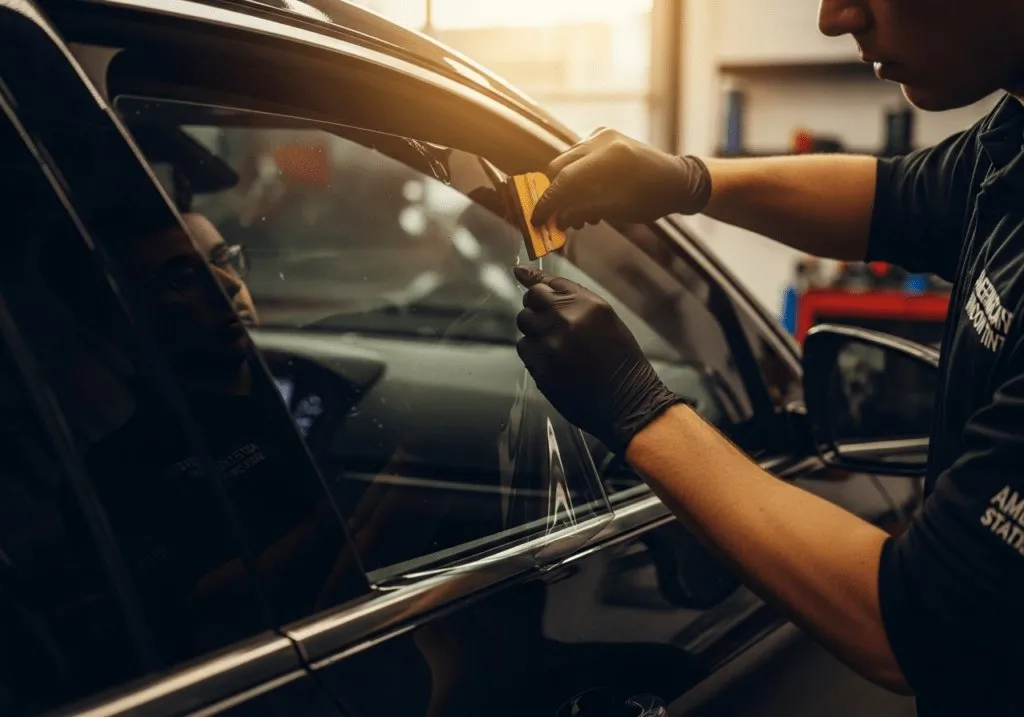
Each state has its own laws and procedures regarding medical exemptions for window tint. While the general process is similar across states, the specific requirements, allowed tint darkness, qualifying conditions, and fees vary significantly.
Below is an overview of how different states handle window tint medical exemption applications.
States with Liberal Medical Exemption Policies
Some states have relatively accessible processes for obtaining a medical waiver for window tint and allow significantly darker tint than their standard legal limits. These states recognize a broader range of medical conditions and typically have straightforward application processes.
California: California allows medical exemptions for conditions affecting light sensitivity. While standard law requires 70 percent VLT on front side windows, medical exemptions can allow much darker tint. Get Your California Medical Tint Exemption
Applications must include a doctor’s note for window tint from a licensed physician and are submitted to the DMV. The exemption typically remains valid as long as the medical condition persists.
Illinois: Illinois grants medical exemptions for various photosensitive conditions. The standard law requires fifty percent VLT on side windows and rear window, but medical exemptions can authorize darker tint. Get Your Illinois Medical Tint Exemption
Applications require a physician’s certification on official letterhead and submission to the Secretary of State’s office.
Arizona: Arizona recognizes medical necessity for darker window tint and has a relatively streamlined process. While standard limits require thirty-three percent VLT on front windows, medical exemptions can allow significantly darker tint for qualifying conditions. Get Your Arizona Medical Tint Exemption
The exemption certificate must be carried in the vehicle at all times.
States with Moderate Medical Exemption Policies
Many states fall into a moderate category, offering medical exemptions for window tint but with more specific requirements or limitations on the darkness of the tint, even with a medical exemption.
Texas: Texas allows medical exemptions permitting front windows as dark as 5% VLT. Learn more about the Texas medical tint exemption. Since 2019, no state certificate needed, just obtain a signed physician statement citing medical necessity. Carry this statement in your vehicle always. Get Your Texas Medical Tint Exemption
Present during traffic stops and annual inspections. Qualifying conditions include lupus, albinism, photophobia, skin cancer, and other light-sensitive conditions.
Florida: Florida issues medical exemption certificates for lupus, dermatomyositis, albinism, vitiligo, xeroderma pigmentosum, and other autoimmune/light-sensitive conditions. Complete Form HSMV 83390 with physician certification. $6.45 fee per vehicle. Get Your Florida Medical Tint Exemption
Certificate never expires and is non-transferable, becomes invalid upon vehicle sale. Allows darker tint on windshield, side windows, and rear windows beyond standard 28% VLT requirement.
New York: New York requires 70% VLT minimum for all windows. Medical exemptions available for albinism, lupus, porphyria, xeroderma pigmentosum, severe drug photosensitivity, photophobia, and other photosensitive conditions. Get Your New York Medical Tint Exemption
Complete Form MV-80W with NYS licensed physician certification. Submit to DMV for approval. Exemption sticker must be displayed in vehicle. Exemptions are vehicle-specific and require annual renewal.
States with Strict or Limited Exemption Policies
Some states have more restrictive policies regarding tinted windows medical exemption, either limiting the conditions that qualify, restricting how dark the tint can be, or not offering exemptions at all.
New Hampshire: New Hampshire has very restrictive window tinting laws overall and does not provide medical exemptions for front window tinting. Get Your New Hampshire Medical Tint Exemption
Even with medical documentation, you cannot tint front windows beyond the standard legal limits.
Vermont: Vermont similarly does not allow medical exemptions for window tint on front side windows. Get Your Vermont Medical Tint Exemption
The state maintains strict window tinting regulations regardless of medical conditions.
Pennsylvania: Pennsylvania offers medical exemptions but has specific restrictions on which windows can be tinted and how dark they can be even with medical authorization. Get Your Pennsylvania Medical Tint Exemption
The state requires detailed medical documentation and has a formal review process.
Important State Considerations for Medical Window Tint Permits
When researching how to get a legal dark tint in your state, consider these important factors:
-
Renewal Requirements: Some states require annual renewal of your medical exemption for window tint, while others grant multi-year permits or permanent exemptions. Factor renewal requirements into your planning.
-
Interstate Recognition: Your state’s medical window tint permit may not be recognized in other states. If you frequently drive across state lines, research whether your exemption will be honored or if you risk citations.
-
Windshield Tinting: Most states prohibit tinting the windshield even with medical exemptions, though some allow a non-reflective tint along the top few inches. Verify your state’s windshield rules.
-
Vehicle Transfers: If you sell your vehicle or buy a new one, check whether your exemption transfers to the new vehicle or if you need to reapply with the new vehicle’s information.
Always verify current requirements directly with your state’s DMV or equivalent agency, as laws and procedures can change. Many states now have detailed information about medical exemptions for window tint on their official websites, including downloadable forms and fee schedules.
Common Mistakes When Applying for Window Tint Medical Exemptions
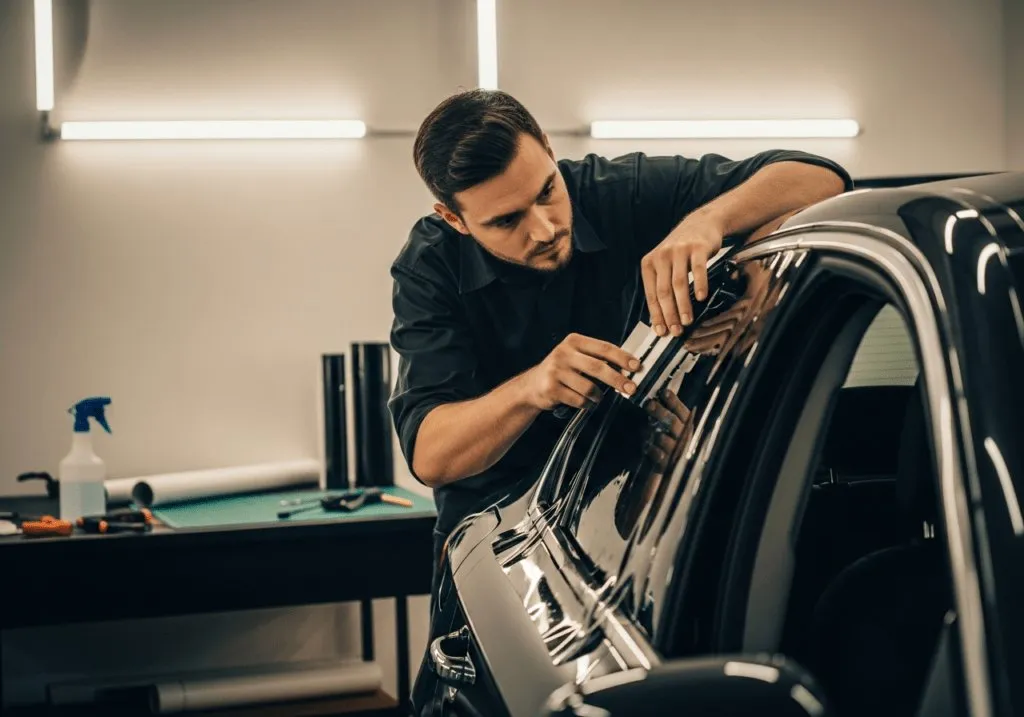
Many applications for medical exemptions for window tint are rejected or delayed due to avoidable mistakes. Understanding these common errors can help ensure your application is processed smoothly and approved on the first submission.
Insufficient Medical Documentation
The most common reason for rejection is inadequate medical documentation. A vague or incomplete doctor’s note for window tint will almost certainly result in denial.
Your physician must provide specific details about your diagnosis, explain exactly why darker tint is medically necessary, and recommend a specific VLT percentage.
Wrong Type of Medical Provider
Some applicants submit documentation from healthcare providers who are not authorized to certify medical exemptions in their state. Most states require the window tint prescription to come from a licensed medical doctor (MD) or doctor of osteopathy (DO), and in some cases, a licensed optometrist for eye-related conditions.
Documentation from nurse practitioners, physician assistants, chiropractors, or other healthcare providers may not be accepted, even if they are treating your condition.
Verify which types of providers your state accepts before obtaining your medical documentation to avoid having to restart the process.
Installing Tint Before Receiving Approval
A critical mistake is installing dark window tint before receiving your medical window tint permit. Even if you have applied for an exemption, driving with illegal tint before approval can result in citations, fines, and potentially jeopardize your exemption application.
Wait until you receive official approval and your exemption certificate before having the tint installed. If you desperately need UV protection while waiting, consider temporary solutions like UV-blocking sunglasses, sun shields, or driving during less sunny times of day.
Exceeding Approved Tint Darkness
Even with a medical exemption for window tint, you must adhere to the specifications in your approval. If your exemption allows twenty percent VLT and you install five percent VLT, you can still be cited for illegal window tint.
The exemption is not a blanket authorization to install any darkness you prefer.
Work with a professional tinting service that uses calibrated equipment to ensure the tint matches your exemption specifications exactly. Request documentation of the installed tint’s VLT percentage and keep it with your exemption certificate.
Failing to Renew the Exemption
Many states require periodic renewal of your medical waiver for window tint, ranging from annual to every five years. Failing to renew before expiration means your exemption is no longer valid, and you are technically driving with illegal window tint even though you previously had authorization.
Set reminders well in advance of your exemption’s expiration date. Some states send renewal notices, but you should not rely solely on this. Start the renewal process at least two months before expiration to account for processing time and any potential complications.
Not Carrying Exemption Documentation
Even with a valid tinted windows medical exemption, you can face citations if you cannot produce the exemption certificate when stopped by law enforcement. Officers have no way to verify your exemption status without seeing the certificate, and absence of documentation may result in a ticket that you’ll have to contest later.
Always keep your exemption certificate in your vehicle. Consider keeping it in your glove compartment with your registration and insurance documents, or in a document holder attached to your sun visor where it’s easily accessible.
Some people laminate their certificate to prevent damage from wear and tear.
Incomplete or Incorrect Application Forms
Rushing through the application and leaving sections blank, providing incorrect information, or failing to include required supporting documents will result in rejection.
Common errors include forgetting to sign the application, not including a copy of your driver’s license, failing to attach the full medical documentation, or providing incomplete vehicle information.
Review your state’s application checklist carefully and verify you have completed every section and included every required document before submitting. Consider having someone else review your application package to catch any oversights you might have missed.
Costs and Timeline for Getting a Medical Exemption for Window Tint
Understanding the financial and time investment required for obtaining a window tint medical exemption helps you plan appropriately and set realistic expectations.
Application and Processing Fees
Most states charge a fee for processing medical exemptions for window tint. These fees typically range from fifteen to one hundred dollars, with the average being around thirty to fifty dollars.
Some states waive fees for veterans, seniors, or individuals with financial hardship, though you usually must request this waiver and provide supporting documentation.
In addition to the state processing fee, you will incur costs for obtaining the necessary medical documentation. Doctor’s visit copays, medical records requests, and the time your physician spends preparing your window tint prescription documentation may result in additional charges.
If your insurance does not cover these visits or documentation preparation, the costs can range from fifty to several hundred dollars depending on your provider.
Window Tint Installation Costs
Professional window tinting costs vary based on your vehicle type, the number of windows being tinted, the quality of film used, and your location. For a standard sedan, expect to pay between one hundred fifty and four hundred dollars for professional installation.
Larger vehicles like SUVs or vans may cost more, typically ranging from two hundred to six hundred dollars.
Quality matters significantly when it comes to window tint film. Higher-quality ceramic or carbon films provide better UV protection, last longer, and are less likely to fade or bubble compared to cheaper dyed films.
Since you need this tint for medical reasons and will rely on it for protection, investing in high-quality film is worthwhile even if it costs more initially.
Timeline for the Complete Process
The entire process of obtaining and utilizing a medical waiver for window tint typically takes between four and twelve weeks from start to finish, depending on various factors including your state’s processing time, how quickly you can schedule a doctor’s appointment, and how busy local tinting services are.
Week 1-2: Medical Appointment and Documentation. Schedule and attend your appointment with a qualified physician. Depending on your doctor’s availability and how busy their practice is, this could take anywhere from a few days to two weeks. After your appointment, obtaining the formal doctor’s note for window tint may take a few additional days if your physician needs to prepare detailed documentation.
Week 2-3: Application Preparation and Submission. Research your state’s requirements, obtain and complete all necessary forms, gather supporting documents, and submit your application. This phase usually takes one to two weeks depending on how quickly you can compile everything and whether you submit online, by mail, or in person.
Week 3-10: Processing Time. State agencies typically take two to eight weeks to process medical exemption for window tint applications. Processing times vary significantly by state and time of year. Some states process applications in as little as two weeks, while others may take the full eight weeks or occasionally longer during peak periods.
Week 10-12: Tint Installation. Once you receive your exemption certificate, schedule an appointment with a professional tinting service. Depending on their availability, you might get an appointment within a few days or may need to wait a week or two. The actual installation usually takes two to four hours depending on your vehicle.
Renewal Costs and Timeline
If your state requires periodic renewal of your medical window tint permit, plan for additional costs and time investment in the future. Renewal applications typically cost the same as initial applications, though some states offer reduced renewal fees.
You may need updated medical documentation from your physician, which could mean additional doctor’s visit costs.
Renewal processing times are usually faster than initial applications, often taking two to four weeks instead of the longer initial processing period. However, start the renewal process well before your current exemption expires to ensure continuous coverage and avoid any period where you are driving with technically illegal tint.
Legal Considerations and Law Enforcement Interactions
Even with a valid tinted windows medical exemption, it is important to understand your legal obligations and how to handle interactions with law enforcement regarding your window tint.
What to Do During a Traffic Stop
If you are pulled over and an officer questions your window tint, remain calm and polite. Immediately inform the officer that you have a medical exemption for window tint and that you have the documentation in your vehicle.
Ask permission before reaching for the certificate if it is not in plain sight, as sudden movements can create misunderstandings.
Present your exemption certificate along with your driver’s license, registration, and insurance. Most officers are familiar with medical exemptions and will accept the documentation.
However, some officers may not have encountered medical exemptions frequently and might be skeptical. Stay patient and allow them time to review the certificate and verify its authenticity if needed.
If an officer issues a citation despite your valid exemption, accept the ticket politely and contest it through proper legal channels rather than arguing at the roadside. Bring your exemption certificate and any supporting documentation to your court date or when you contact the court, and the citation should be dismissed once the court verifies your exemption is valid.
Interstate Travel with Medical Exemptions
One significant legal consideration is that your state’s medical window tint permit may not be recognized in other states. Each state has sovereignty over its own traffic laws, and there is no federal requirement for states to honor other states’ window tint exemptions.
If you frequently travel to other states, research their window tint laws and policies on out-of-state medical exemptions. Some states explicitly recognize exemptions from other states, while others do not.
States that do not recognize out-of-state exemptions could legally cite you for illegal window tint even though you have a valid exemption in your home state.
For individuals who regularly drive in multiple states, consider whether the tint darkness allowed by your exemption is close enough to the legal limits in states you frequently visit to minimize issues.
Alternatively, some people choose to apply for exemptions in multiple states if they spend significant time in each, though this requires meeting each state’s residency or vehicle registration requirements.
Exemption Validity and Compliance
Your medical exemption for window tint is only valid if you comply with all its terms and conditions. This includes maintaining the approved tint darkness, renewing the exemption before expiration, carrying the certificate in your vehicle, and notifying authorities if your medical condition improves to the point where the exemption is no longer necessary.
Some states require that you surrender your exemption certificate if your medical condition resolves and you no longer need the darker tint. While this may seem burdensome, it is important to comply with these requirements to maintain the integrity of the medical exemption system and avoid potential legal issues.
If you sell your vehicle with the medical tint installed, the new owner cannot legally drive it with that tint unless they also have their own medical exemption. In most cases, you should either remove the tint before selling or inform the buyer that they will need to remove it or obtain their own exemption.
Fraudulent Applications and Consequences
Submitting fraudulent medical documentation to obtain a window tint prescription is illegal and can result in serious consequences including criminal charges, fines, license suspension, and potential medical board investigations into the physician who signed the fraudulent documentation.
Some states conduct random audits of medical exemptions or investigate when they receive tips about fraudulent exemptions. If caught with a fraudulent exemption, you will face penalties far more severe than simply paying fines for illegal window tint.
Only apply for a medical waiver for window tint if you have a legitimate medical condition that genuinely requires additional UV protection.
Alternative Sun Protection Options and Additional Considerations

While a medical exemption for window tint can significantly help protect you from harmful UV exposure, it should be part of a comprehensive sun protection strategy rather than your only defense, especially during the application and processing period.
Temporary Solutions While Waiting for Approval
While waiting for your medical window tint permit to be processed, which can take several weeks, you need temporary sun protection solutions for driving. Consider these options that provide UV protection without violating window tint laws:
-
Removable Sun Shades: Static cling or suction cup window shades can provide temporary protection without permanent installation. These are particularly useful for side and rear windows during parking and can be removed while driving if they obstruct visibility.
-
UV-Blocking Sunglasses: High-quality sunglasses that block ninety-nine to one hundred percent of UV rays can significantly reduce light exposure to your eyes and surrounding skin. Wrap-around styles provide additional coverage.
-
Wide-Brimmed Hats: Wearing a wide-brimmed hat while driving can shield your face and neck from direct sunlight coming through windows, though ensure it does not obstruct your vision.
-
UV-Protective Clothing: Long sleeves, gloves, and other UV-protective clothing can protect your skin from exposure while driving. Many athletic and outdoor clothing brands offer lightweight, breathable options with high UV protection ratings.
-
Timing Your Drives: When possible, schedule your driving during early morning or late afternoon hours when UV exposure is lower, and avoid driving during peak sun hours of ten AM to four PM.
Combining Exemption with Other UV Protection Measures
Even after obtaining your window tint medical exemption and installing darker tint, continue using additional protective measures. Window tint alone may not provide complete protection for severe photosensitive conditions.
Combine your tinted windows medical exemption with sunscreen, protective clothing, and sunglasses for comprehensive protection.
Quality window tint can block up to ninety-nine percent of UV rays, but it is not one hundred percent effective. Additionally, UV exposure occurs outside of your vehicle, so maintaining a complete sun protection routine is essential for managing photosensitive conditions effectively.
Choosing the Right Window Tint Film
Not all window tint films are created equal, and the quality of film you choose can significantly impact both UV protection and longevity. When you are approved for how to get legal dark tint through a medical exemption, invest in high-quality film that maximizes both protection and performance.
-
Ceramic Films: The highest quality option, ceramic films provide excellent UV and infrared protection without interfering with electronic signals. They are more expensive but offer superior performance and durability.
-
Carbon Films: A mid-range option that offers good UV protection and heat rejection without the metallic content that can interfere with electronics. Carbon films are more affordable than ceramic while still providing quality protection.
-
Metallized Films: These films contain metallic particles that reflect UV and heat effectively but can interfere with radio, GPS, and cell phone signals. Consider this carefully if you rely on these technologies while driving.
-
Dyed Films: The most affordable option but least effective for UV protection and most prone to fading over time. Generally not recommended for medical exemption purposes where maximum protection is needed.
Discuss film options with your tinting professional and explain that you need the film for medical reasons. They can recommend films that maximize UV protection while meeting your budget and performance needs.
Maintaining Your Window Tint
Proper maintenance ensures your window tint continues providing maximum UV protection throughout its lifespan. High-quality films can last ten to fifteen years with proper care, while lower-quality films may need replacement after three to five years.
-
Wait at least three to seven days after installation before cleaning windows to allow the adhesive to cure properly
-
Use only ammonia-free cleaners specifically designed for tinted windows, as ammonia can damage the film
-
Clean with soft microfiber cloths rather than paper towels to avoid scratching
-
Avoid rolling windows down for the first few days after installation to prevent peeling
-
Inspect your tint regularly for bubbling, peeling, or fading, which may indicate it needs replacement
If you notice degradation in your tint quality, have it inspected by a professional. Compromised tint may not provide adequate UV protection, defeating the medical purpose of your exemption.
Conclusion
Getting a medical exemption for window tint is an achievable process that can significantly improve your quality of life and ability to drive safely if you have a photosensitive condition.
By following the steps outlined in this guide, obtaining proper medical documentation from a qualified physician, and carefully completing your state’s application process, you can secure a window tint medical exemption that allows you to protect yourself from harmful UV exposure.
Remember that the key to success is thorough preparation, complete and accurate documentation, and patience during the processing period. Work closely with your physician to ensure your doctor’s note for window tint contains all necessary information, research your state’s specific requirements carefully, and submit a complete application package to avoid delays and rejections.
Once you receive your medical window tint permit, maintain compliance by installing tint that matches your approved specifications, carrying your exemption certificate at all times, renewing before expiration, and using additional sun protection measures to complement your tinted windows.
The effort invested in obtaining and maintaining your window tint prescription pays off in improved comfort, reduced health risks, and the freedom to drive safely despite your light-sensitive condition.
If you have questions about how to get legal dark tint through a medical exemption in your specific state, contact your state’s Department of Motor Vehicles or equivalent agency for the most current information and guidance.
With proper documentation and adherence to your state’s requirements, you can successfully obtain a medical waiver for window tint and enjoy the protection you need.
Frequently Asked Questions
Can I get a medical exemption for window tint if I just have general light sensitivity?
General light sensitivity alone typically does not qualify for a window tint medical exemption unless it is caused by a diagnosed medical condition such as photophobia from migraines, traumatic brain injury, or an eye disorder.Your doctor must document a specific medical diagnosis that directly causes the light sensitivity and explain why darker window tint is medically necessary for your condition.
How long does a medical window tint permit last?
Validity periods vary by state. Some states issue permits valid for one to two years, others for three to five years, and some grant permanent exemptions for lifelong conditions like albinism.Check your state's specific requirements and set calendar reminders well before your expiration date to ensure you renew on time and maintain continuous coverage.
What happens if I get pulled over in another state with my medical exemption?
Recognition of out-of-state medical exemptions depends on the state where you are stopped. Some states honor exemptions from other states while others do not.If stopped, present your exemption certificate and explain your medical condition. The officer may issue a warning or citation depending on their state's policy. If cited, contact the court with your medical documentation to request dismissal.
Can someone else drive my car with medical tint if they don't have an exemption?
This varies by state law. Some states tie the exemption to the vehicle regardless of driver, while others tie it to the person with the medical condition.Review your state's regulations and your exemption certificate. If someone else regularly drives your vehicle, they should carry a copy of your exemption certificate and be prepared to explain the situation if stopped.
Do I need to remove my tinted windows if I move to a different state?
When relocating to a new state, you will need to comply with that state's window tint laws, including obtaining a new medical exemption if available. The timing depends on when you are required to register your vehicle in the new state, typically thirty to ninety days.Research your new state's medical exemption process immediately upon moving and apply as soon as possible to avoid driving with illegal tint.
How much does a medical tint exemption letter cost?
The physician's letter or certification itself typically costs between $50 and a few hundred dollars if not covered by insurance, depending on your provider and whether a dedicated visit is required. On top of that, most states charge a separate processing fee to file your exemption, generally $15 to $100, with Florida's flat $6.45 fee on the lower end. Getting your physician's certification through TintedMD's online process is designed to reduce the documentation cost and time compared to an in-person specialist visit.

Meet the author
Nida Hammad
I am a professional writer with over five years of experience creating clear, engaging, and well-researched content. I specialize in medical window tint exemptions and state compliance topics, helping readers understand tint laws and exemption requirements in simple, easy-to-follow language. Currently, I write for TintedMD, where I focus on producing accurate, trustworthy guides to help drivers navigate the medical tint exemption process with confidence.
Get Your Medical Tint Exemption Online in Minutes
Check Your Eligibility