Window Tint Exemption for Migraines: Block the Light That Triggers Your Attacks
 by Nida Hammad
 Last updated:
Medically reviewed by:
Dr. Matthew Reynolds, MD


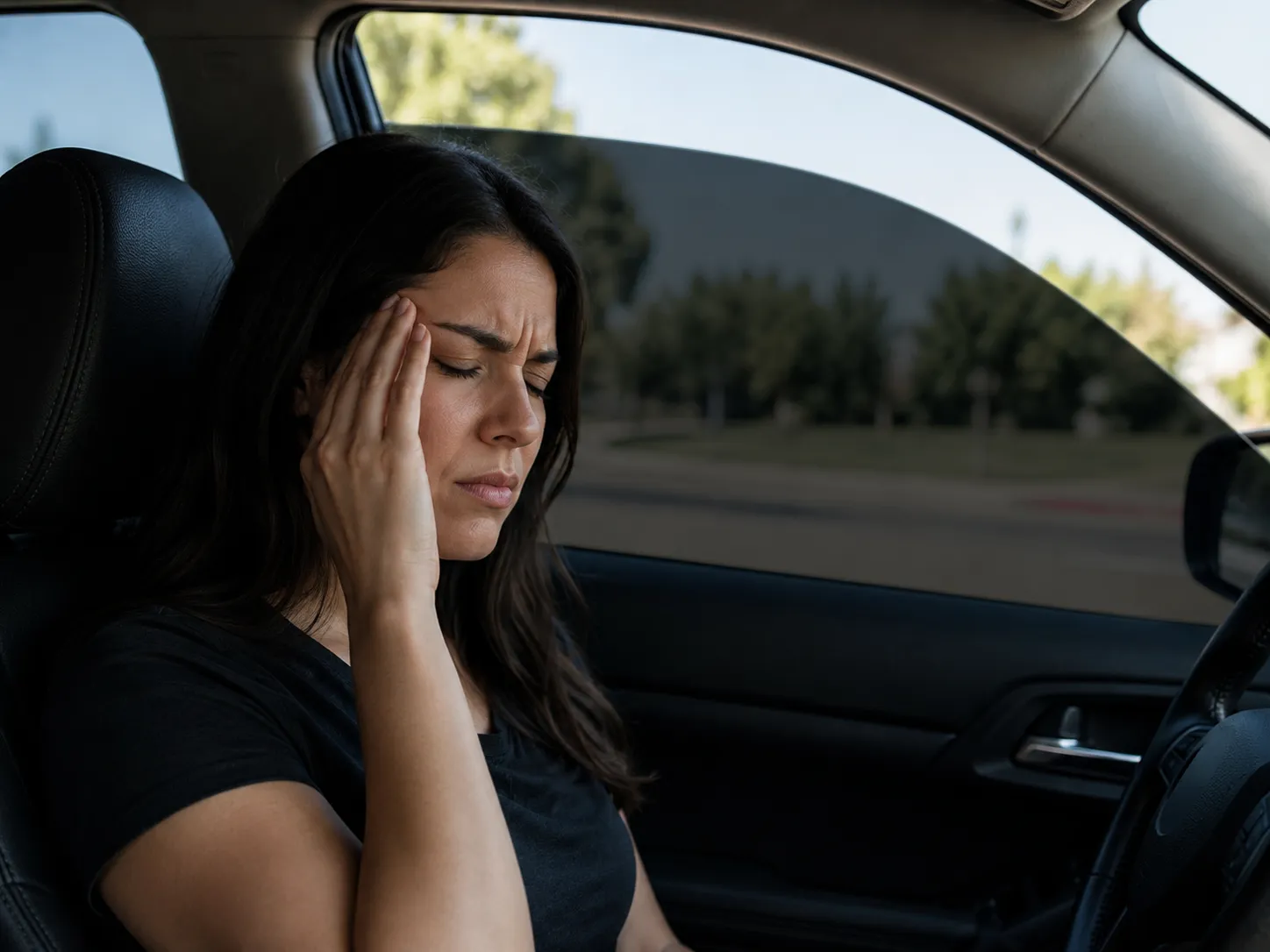
If you live with migraines, you already know what sunlight through a car window can do. The glare hits. The pain follows. For chronic migraine patients, that daily experience on the road is not just uncomfortable — it can be a genuine trigger for a full migraine attack. And yet standard car windows, including factory-tinted windows, do not block the wavelengths of light most associated with migraine-related photosensitivity.
A window tint exemption for migraines is the legal tool that lets you install protective window film dark enough to reduce that light load during your daily drives. In most states, migraine patients qualify under the photosensitivity or photophobia language in the medical tint exemption statute. Getting the documentation right is what makes the difference between a protected tint and a citation.
This guide covers why migraines qualify, which states recognize the condition, what your physician letter needs to include, and how TintedMD gets you documented correctly the first time. To start now, TintedMD’s same-day physician evaluation is available in all qualifying states.
Why Migraines Qualify for a Window Tint Exemption
The medical basis for a window tint exemption for migraines is the condition of photophobia — extreme sensitivity to light that occurs as a core symptom of migraine disease. Photophobia in migraine is not simply discomfort in bright light. It is a measurable neurological response involving the trigeminal pain pathway and intrinsically photosensitive retinal ganglion cells that are activated even in low-light conditions.
According to NIH/PubMed Central research on photophobia in neurological disorders, photophobia is reported in 80% to 90% of migraine patients — higher than in any other primary headache type. Crucially, migraine patients experience photophobia both during and between attacks. For chronic migraine patients, defined as those with 15 or more headache days per month, this interictal photosensitivity means that light sensitivity is not just an attack symptom. It is a daily condition affecting every drive.
This is the clinical basis that makes migraine legally equivalent to other photosensitivity disorders when it comes to tint exemption eligibility. The physician does not simply document that you get headaches. They document that your condition creates medically necessary UV and light protection needs during vehicle use that standard glass cannot meet.
What Makes Migraine-Related Photophobia Clinically Significant for Driving
Migraine light sensitivity while driving is a documented safety concern, not just a comfort issue. Research confirms that visual stimuli — including glare, flickering light, and bright sunlight — are among the most common external migraine triggers, and that patients prone to visually triggered migraines show significantly greater interictal light sensitivity than those without photophobia. A study published in PubMed confirmed that visual triggers group together as a distinct trigger cluster in migraine patients, separate from food, stress, and other trigger categories. When a migraine is triggered during a drive, the driver faces sudden onset of severe head pain, possible aura symptoms including visual disturbances, and nausea. For people with migraine light sensitivity, the interior of a standard vehicle is one of the most consistent daily trigger environments.
Do Migraines Qualify for a Tint Exemption in Your State?
Migraines qualify in the vast majority of states that offer medical tint exemption programs. However, the specific qualifying language varies by state. Here is how different states approach the condition.
States That Explicitly Name Migraines or Photophobia
California explicitly lists severe light-triggered migraines as a qualifying condition under California Vehicle Code Section 26708.2. New York’s Form MV-80W includes severe photosensitivity requiring medical shielding from the sun as a qualifying category, which chronic migraine with photophobia clearly meets. Tennessee, New York, and California have all confirmed migraines as qualifying conditions in their program guidance.
States Using Broad Photosensitivity Language
Most other states use broader qualifying language such as “photosensitivity disorder,” “condition causing intolerance to light,” or “medical condition requiring protection from ultraviolet or visible light.” Chronic migraine with documented photophobia qualifies under all of these categories. The key in these states is that the physician letter specifically names the migraine condition and documents the photosensitivity as a component of that diagnosis.
States With Physician Discretion
Oklahoma, Missouri, Arkansas, and a number of other states allow physicians to certify patients for any condition they deem creates a medical need for window tint. In these states, migraine with photophobia qualifies on the physician’s clinical judgment alone, without needing to match a specific listed condition.
States With No Exemption
Colorado and Kansas have no medical tint exemption program under any condition. Michigan has no VLT restrictions on non-windshield windows, so no exemption is needed. For all other states, a window tint exemption for migraines is accessible through proper documentation.
| How Your State Qualifies Migraines | What This Means for Your Application |
|---|---|
| Explicitly named (California, New York, Tennessee) | Your physician letter names “chronic migraine with photophobia.” Straightforward qualification. |
| Photosensitivity disorder language (most states) | Your letter names the migraine diagnosis and documents photophobia as a component. Qualifies under the broad category. |
| Physician discretion (Oklahoma, Missouri, Arkansas, others) | Your physician certifies medical necessity based on clinical judgment. Easiest qualification route. |
| No exemption (Colorado, Kansas) | No legal pathway exists. Clear UV film within standard VLT limits is the only option. |
| No restriction (Michigan) | Any VLT legal on non-windshield windows. No documentation needed. |
Chronic Migraine vs Episodic Migraine: Does the Distinction Matter for Exemption?
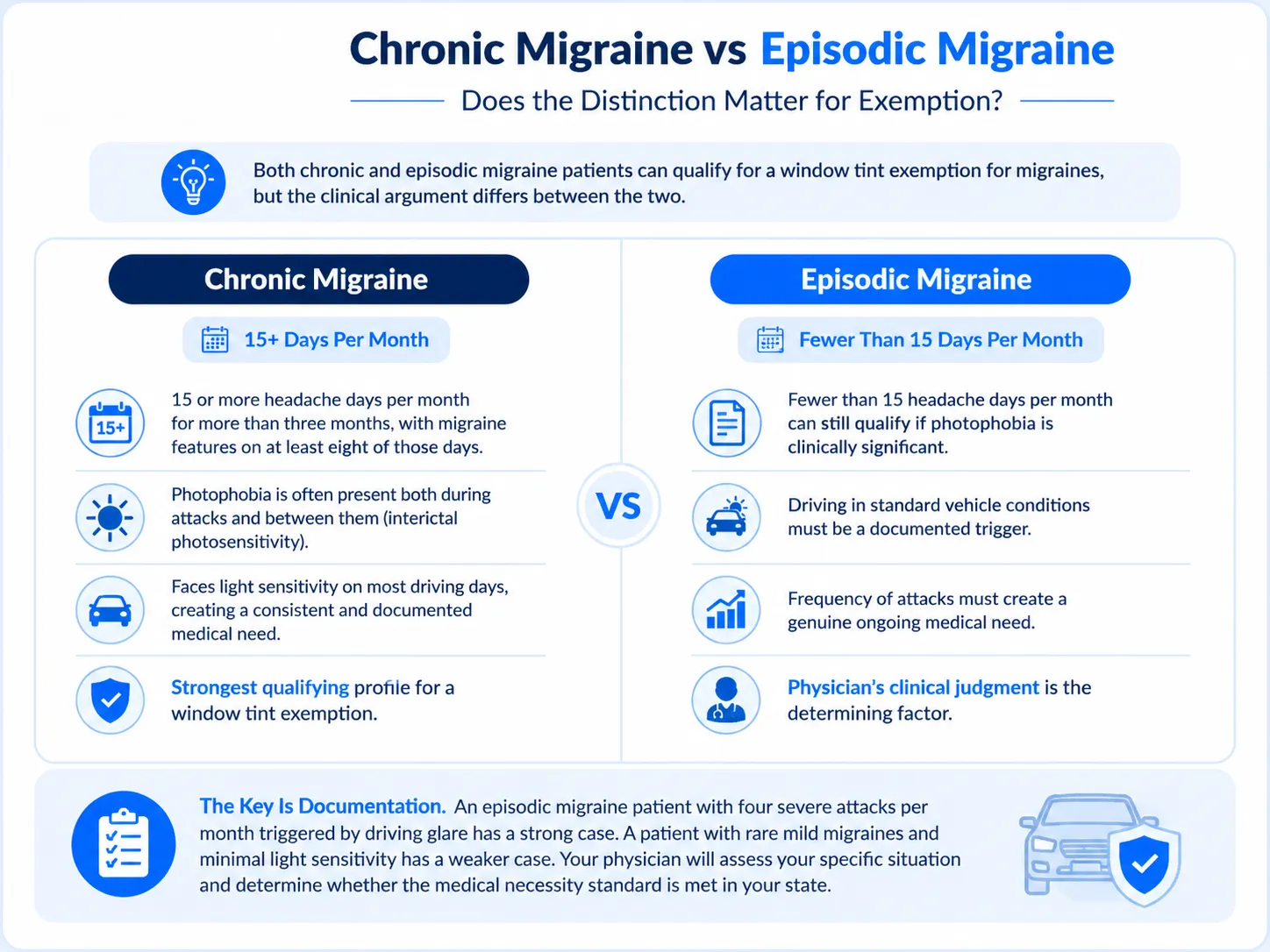
Both chronic and episodic migraine patients can qualify for a window tint exemption, but the clinical argument differs between the two.
Chronic Migraine (15+ Days Per Month)
Chronic migraine is defined as 15 or more headache days per month for more than three months, with migraine features on at least eight of those days. For chronic migraine patients, photophobia is often present both during attacks and between them. The interictal photosensitivity means the patient faces light sensitivity on most driving days, creating a consistent and documented medical basis for daily UV and light reduction in the vehicle. This is the strongest qualifying profile for a tint exemption.
Episodic Migraine With Significant Photophobia
Episodic migraine patients who have fewer than 15 headache days per month can also qualify if their physician documents that the photophobia is clinically significant, that driving in standard vehicle conditions is a documented trigger, and that the frequency of attacks is sufficient to create a genuine ongoing medical need. The physician’s clinical judgment is the determining factor.
The key is documentation. An episodic migraine patient with four severe attacks per month triggered by driving glare has a strong case. A patient with rare mild migraines and minimal light sensitivity has a weaker case. Your physician will assess your specific situation and determine whether the medical necessity standard is met in your state.
What Your Physician Letter Must Include for a Migraine Tint Exemption
The most common reason window tint exemption for migraines applications are rejected is not the condition failing to qualify — it is the documentation missing required elements. Here is exactly what must be in the physician letter:
- Physician’s full name, license number, and state: Officers and DMV reviewers check this against the state medical board database in real time.
- Your specific diagnosis: “Chronic migraine with photophobia” or “episodic migraine with significant interictal photosensitivity.” Vague references to “light sensitivity” without a named diagnosis are insufficient in most states.
- Statement of medical necessity: A clear statement that darker window tint is medically necessary for this patient to reduce light and UV exposure during vehicle use. The letter must connect the migraine diagnosis to the specific driving context.
- Specific VLT percentage: The most commonly omitted element. The letter must state a specific number such as 20% or 35% VLT. Without this, most state DMV reviewers cannot process the application.
- Date of issue and expiration: Most exemptions run one to three years. Some states issue permanent exemptions for chronic conditions.
- Vehicle information (where required): In states where the exemption is vehicle-specific, the letter must reference the vehicle make, model, and VIN.
- Physician signature: Original or compliant electronic signature.
Why General Light Sensitivity Is Not Enough
This is the most important point for migraine patients: general migraine light sensitivity and driving discomfort do not independently qualify. Your physician must document a diagnosed medical condition — specifically chronic migraine or migraine-associated photophobia — and must explain why the condition creates a need for vehicle UV and light protection that sunglasses alone cannot meet.
A physician who writes “my patient is sensitive to bright light and finds driving uncomfortable” has not provided a sufficient medical exemption letter. The letter must name a diagnosis, establish medical necessity, and specify a VLT. TintedMD physicians complete migraine tint exemption letters in exactly this format for every qualifying state.
How to Get a Window Tint Exemption for Migraines
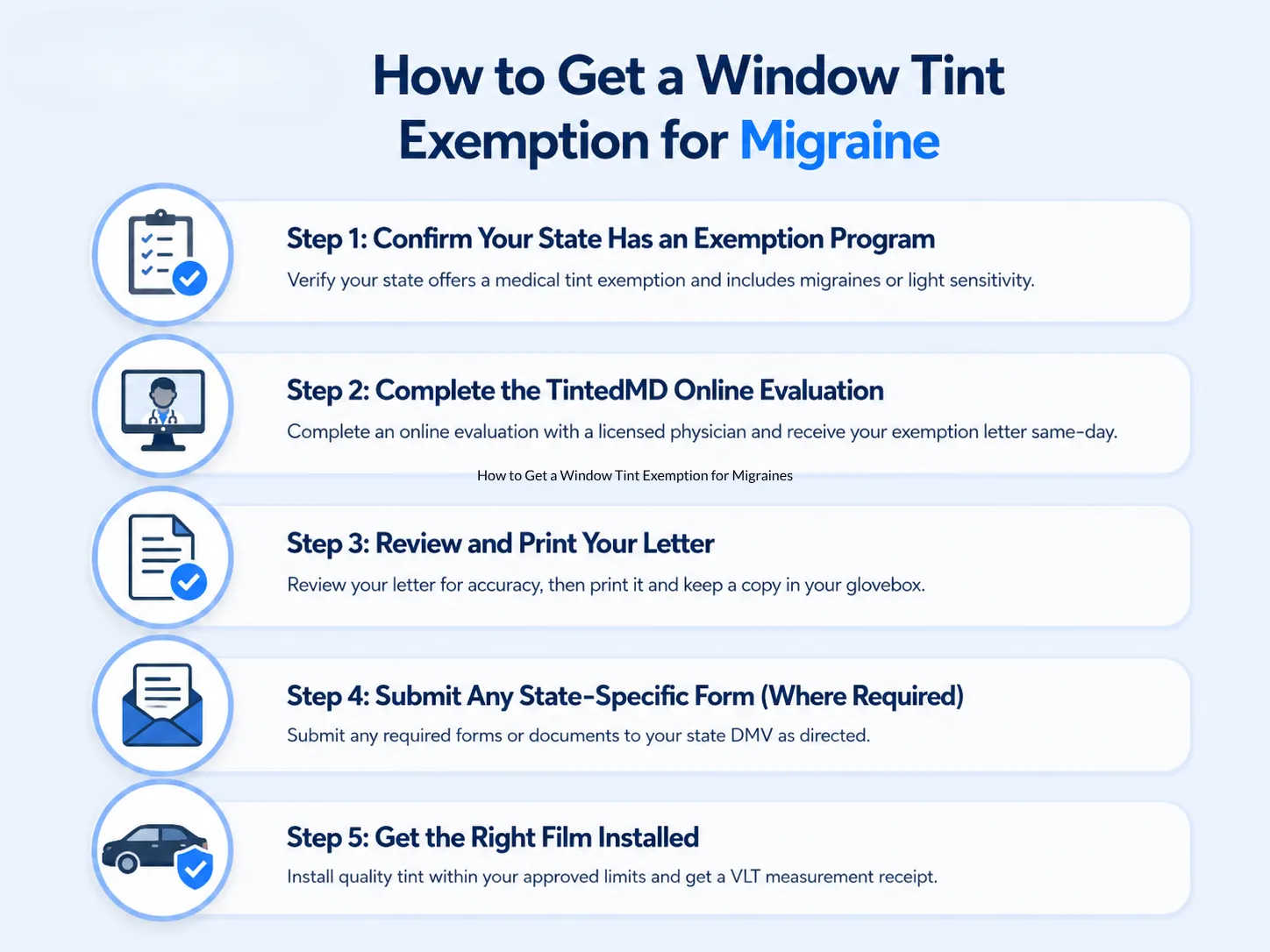
Step 1: Confirm Your State Has an Exemption Program
Before starting the process, confirm that your state offers a medical tint exemption and check whether migraine or photosensitivity conditions are listed. TintedMD’s state eligibility tool confirms your state’s current requirements. Colorado and Kansas are the only states with no program. Michigan requires no exemption.
Step 2: Complete the TintedMD Online Evaluation
TintedMD’s evaluation is conducted entirely online. A licensed physician in your state reviews your migraine history, your photosensitivity documentation, and your state’s exemption requirements. The physician determines whether your condition meets your state’s qualifying standard and completes the exemption letter in the format your state requires. Documentation is delivered the same day. No office visit, no travel, no waiting room.
Step 3: Review and Print Your Letter
Your signed window tint exemption for migraines letter arrives digitally same-day. Before printing, confirm that your migraine diagnosis is named specifically, a VLT percentage is stated, your physician’s license number is present, and your vehicle information matches your registration where required. Print the letter and keep it in your glovebox.
Step 4: Submit Any State-Specific Form Where Required
- California: Attach your physician letter to Form REG 256A and mail to the CA DMV. No in-person visit required.
- New York: Physician endorses Form MV-80W. Mail to NY DMV.
- Florida: Mail Form HSMV 83390 with physician certification to FLHSMV. Florida issues non-expiring certificates for qualifying conditions.
- Texas: Physician letter on official letterhead submitted to Texas DPS. Carry the original. No copies.
- Most other states: Physician letter carried in the vehicle. No additional DMV submission required.
Step 5: Get the Right Film Installed
Take your exemption letter to a licensed window tint installer. Tell them your authorized VLT percentage and ask specifically about UV rejection rates, not just VLT. For migraine patients, ceramic or carbon films that provide 99% UV rejection at your authorized VLT are the best choice. These films also reduce visible light glare more effectively than standard dyed films. Ask for a post-installation VLT measurement receipt showing the measured VLT of the installed film.
What VLT Should a Migraine Patient Request?
Your TintedMD physician will recommend a specific VLT based on your documented photophobia and your state’s minimum VLT floor for medical exemptions. Here is a general reference:
| VLT Level | Typical Use for Migraine Patients |
|---|---|
| 50% VLT | Mild photosensitivity. Light tint. Some UV reduction. May be sufficient for episodic migraine patients. |
| 35% VLT | Standard limit in many states. Noticeable tint. Good UV blocking. Common starting recommendation. |
| 20% VLT | Dark tint. Strong UV and light reduction. Common recommendation for chronic migraine with severe interictal photophobia. |
| 15% VLT | Very dark. Maximum protection for severe cases. Some states set this as the medical exemption floor. |
Remember that VLT and UV rejection are separate measurements. A quality ceramic 35% VLT film can block 99% of UV while providing significant visible light reduction. The goal for a migraine patient is not maximum darkness but the VLT level that reduces your specific triggers effectively within what your state’s exemption authorizes.
Conclusion
If you have chronic migraine with photophobia, you have a clinically documented basis for a window tint exemption in nearly every state that offers a medical tint program. The condition is widely recognized. The legal path is clear. The barrier is almost always documentation — specifically a physician letter that is complete, correctly formatted for your state, and includes the required VLT percentage.
TintedMD exists to close that gap. Licensed physicians in your state, experienced in completing chronic migraine medical tint exemption documentation, produce the right letter the first time. Same-day delivery. Money-back guarantee. Over 100,000 patients helped. Apply for your Texas medical tint exemption and get your physician letter the same day.
Frequently Asked Questions
Do I need a neurologist's letter or can my GP write the exemption?
Your exemption letter can come from any licensed physician who can document your migraine diagnosis and photosensitivity. You do not need a neurologist or headache specialist. Your general practitioner, internist, or family physician can write the letter if they are familiar with your condition and can document the medical necessity. TintedMD's telehealth physicians are specifically trained in completing window tint exemption for migraines documentation and know what each state's DMV requires.
Does photophobia alone qualify without a migraine diagnosis?
Photophobia as a symptom that is part of a diagnosed condition qualifies. Photophobia as a standalone self-reported complaint without a named underlying diagnosis typically does not. The physician must document a diagnosed medical condition — whether that is migraine, migraine with aura, chronic migraine, or another condition causing photophobia — not simply that you are uncomfortable in bright light.
Does my exemption cover all windows or just the front?
Medical tint exemptions primarily cover front side windows, which are the most restricted under standard VLT laws. In most states, rear side windows and the rear windshield have less restrictive standard limits or no limit at all. Your physician letter will specify which windows are covered and at what VLT. The front side windows are typically where the exemption adds the most protection, since they allow the most direct glare exposure to the driver and passenger.
How long does the migraine tint exemption last?
Most states issue medical tint exemptions valid for one to three years. Some states, like Florida for certain qualifying conditions, issue non-expiring certificates. Set a calendar reminder 60 days before your exemption expires to avoid any gap in coverage. An expired letter is not a valid exemption, even if your condition is ongoing.
Can I get an exemption if my migraines are medication-controlled?
Yes. Well-controlled migraines can still involve significant light sensitivity that creates a medical need for tinted windows. Many patients on preventive medication still experience interictal photophobia and light-triggered attacks. Your physician will assess whether your current level of photosensitivity, despite treatment, still creates a medical basis for the exemption. Medication control does not automatically disqualify you.
What if the officer says my letter is not valid?
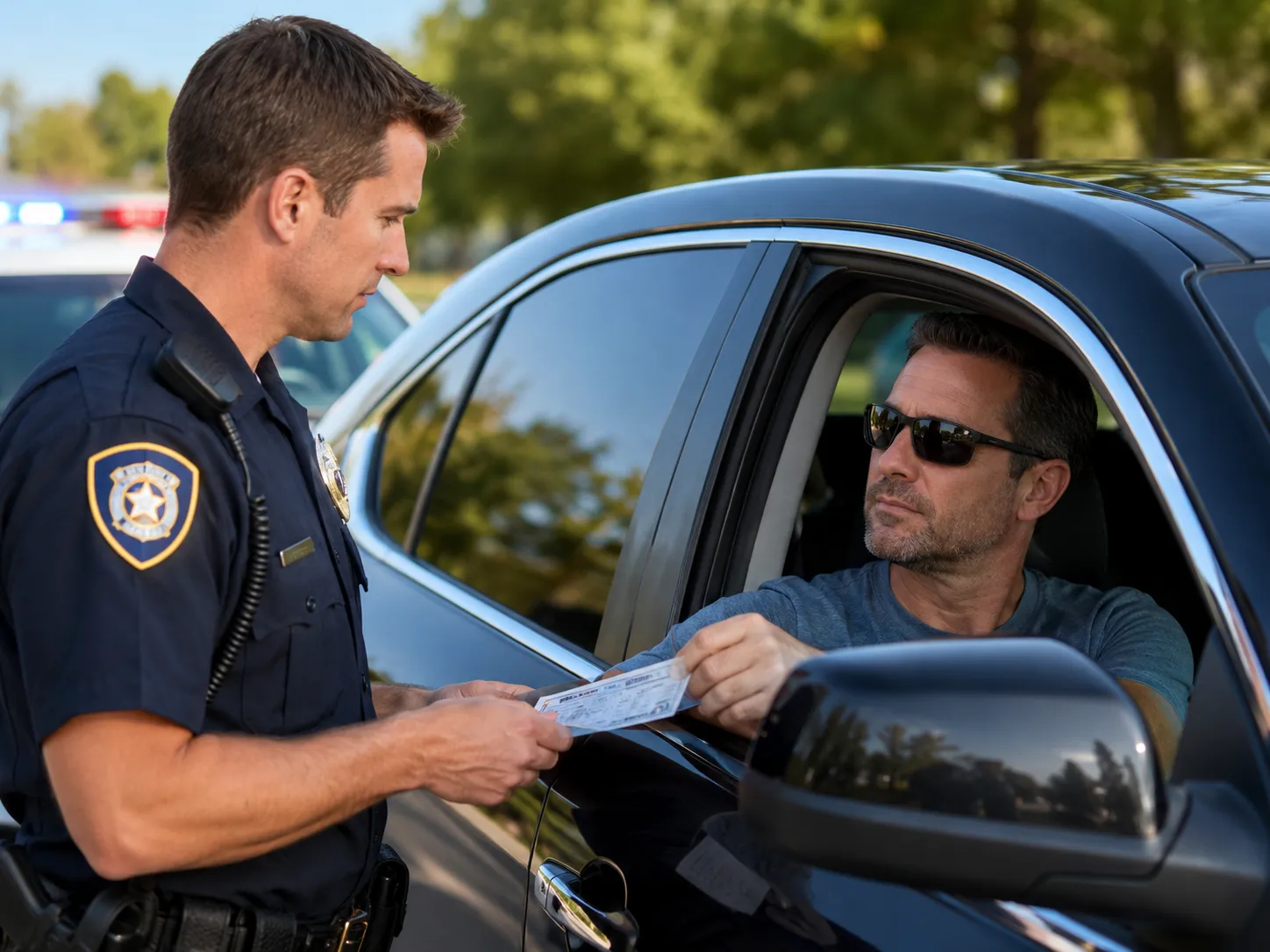
Ask the officer to state specifically what is missing or incorrect. Common issues include a missing VLT percentage, a physician license the officer cannot verify, or a photocopy in a state requiring the original such as Texas. Note the stated reason. TintedMD's money-back guarantee covers cases where valid documentation is rejected by a qualified reviewer. Contact TintedMD with the officer's stated reason and a corrected letter will be issued.

Meet the author
Nida Hammad
I am a professional writer with over five years of experience creating clear, engaging, and well-researched content. I specialize in medical window tint exemptions and state compliance topics, helping readers understand tint laws and exemption requirements in simple, easy-to-follow language. Currently, I write for TintedMD, where I focus on producing accurate, trustworthy guides to help drivers navigate the medical tint exemption process with confidence.
Get Your Medical Tint Exemption Online in Minutes
Check Your Eligibility